Armenia Holds Multi-Stakeholder Dialogue Towards First Regulatory Framework for Chemical Substances
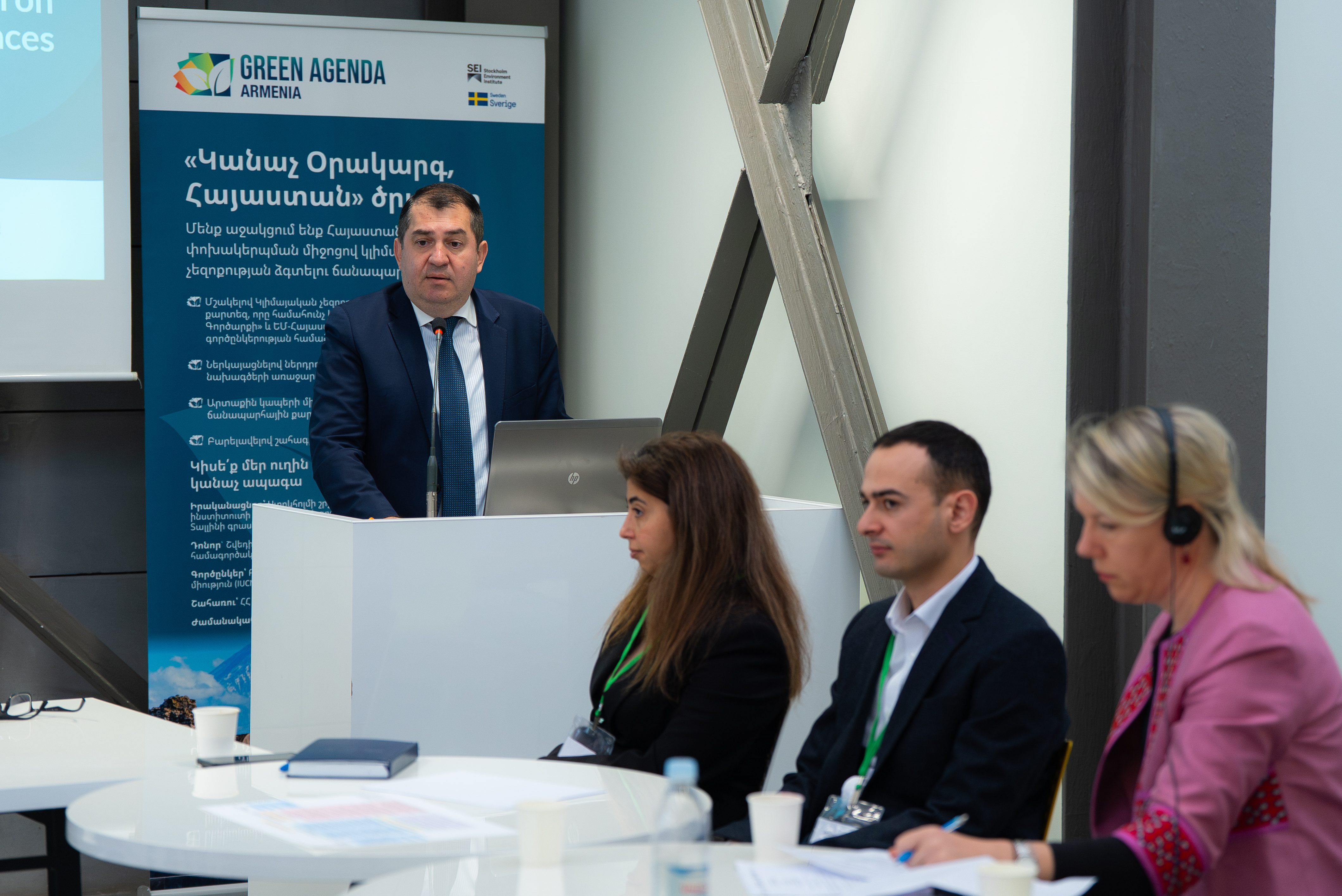
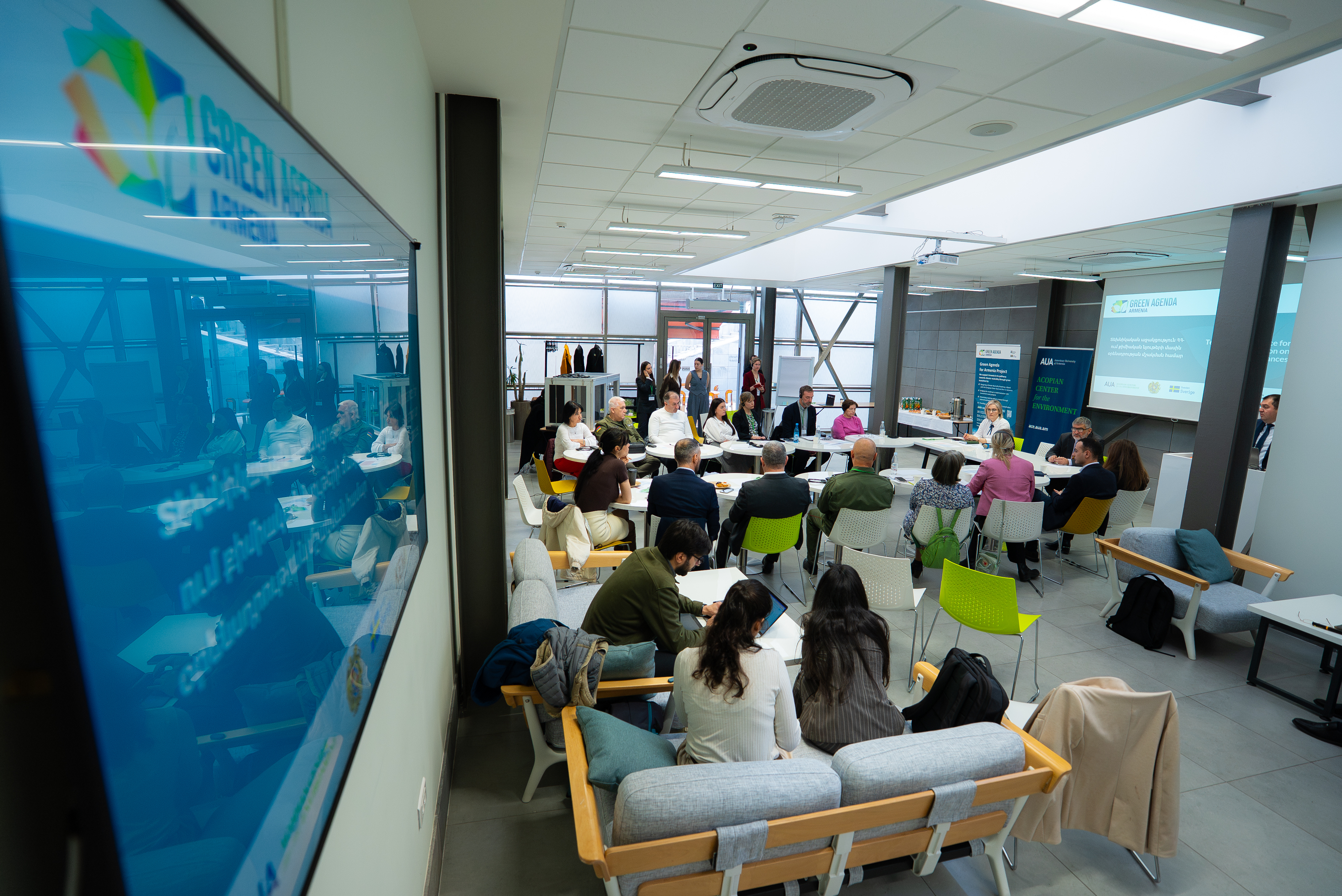
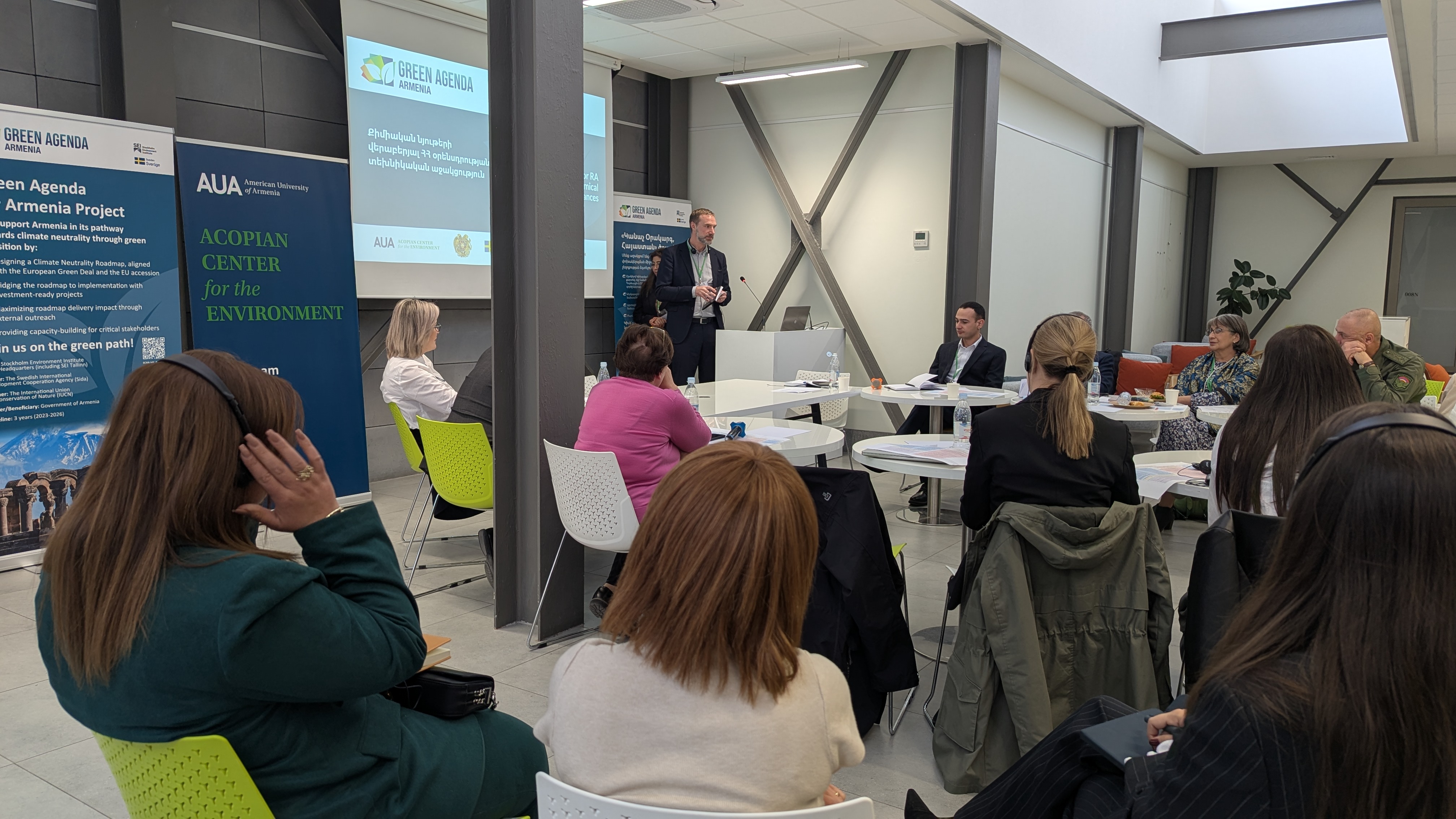
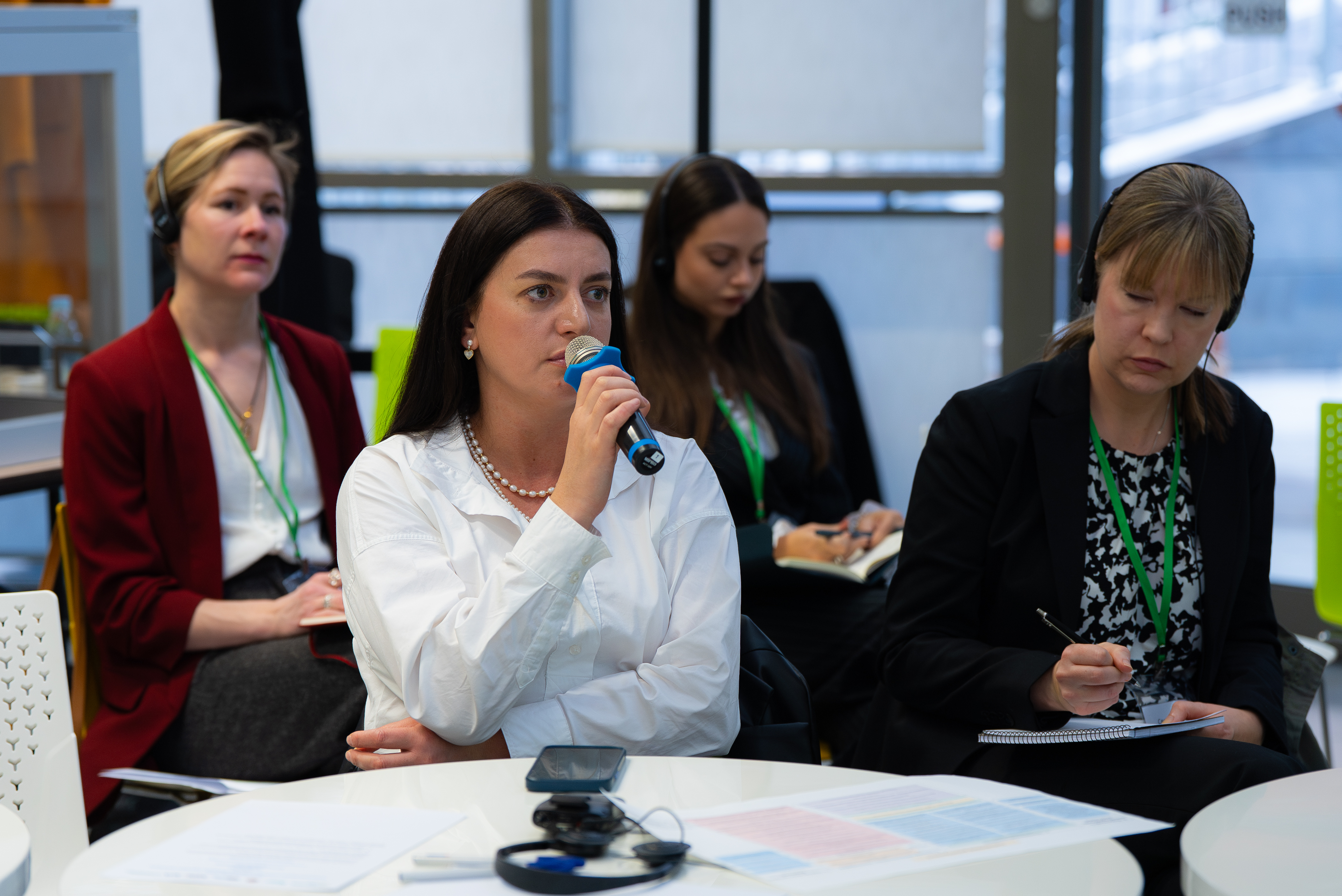
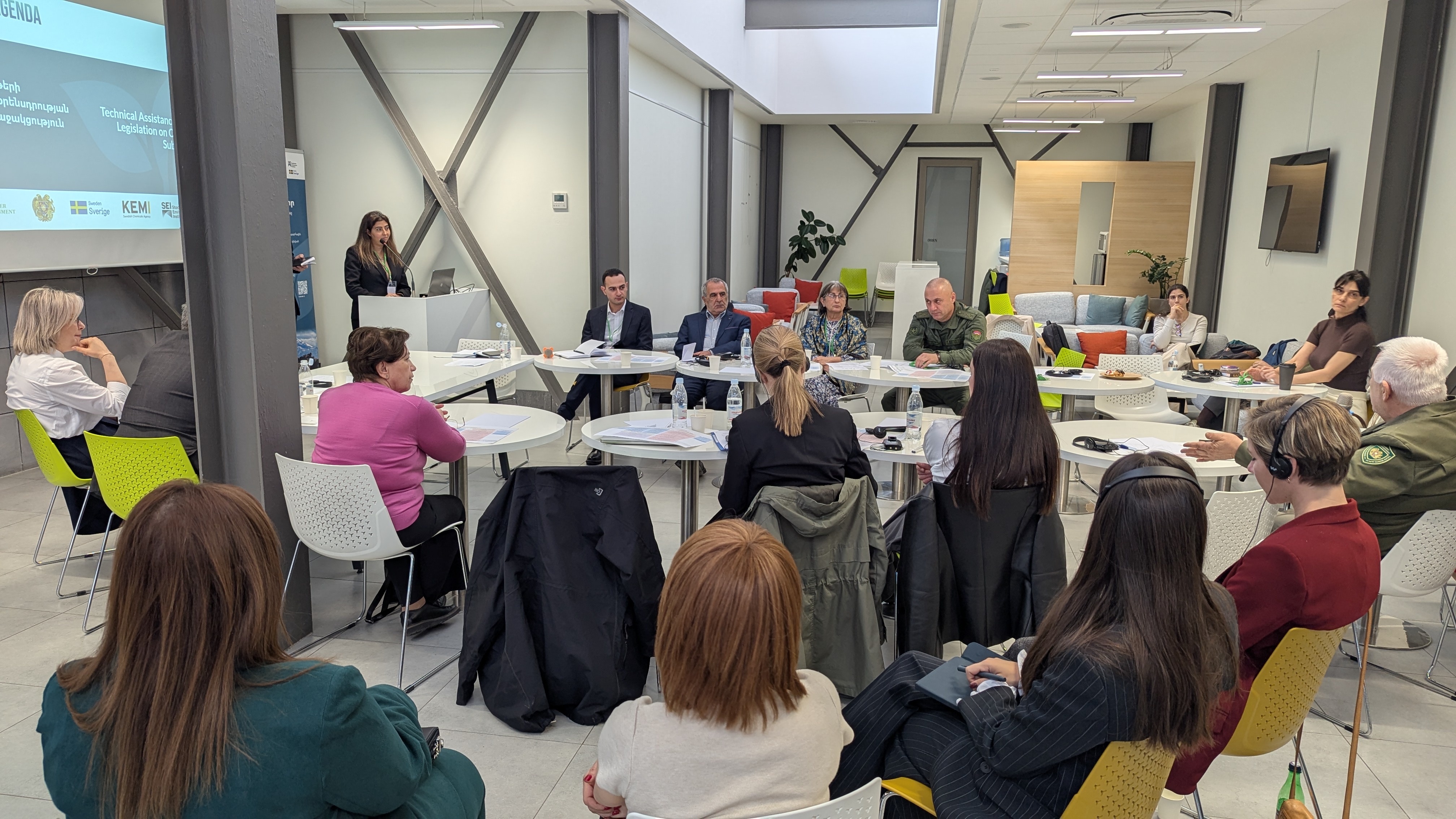
On November 25, in a strategic step toward strengthening Armenia’s environmental governance, leading national agencies gathered at the American University of Armenia (AUA) in Yerevan for a discussion to shape the country’s first-ever legislative framework on Chemical Substances. This milestone is one important component of the Ministry of Environment’s ongoing collaboration with the Green Agenda Armenia project, funded by Sweden through the Swedish International Development Agency (Sida) and implemented by the Stockholm Environment Institute (SEI) in partnership with the Acopian Center for the Environment at the American University of Armenia (AUA). The technical assistance aims to align Armenia’s chemicals management regulatory framework with the EU-Armenia Comprehensive and Enhanced Partnership Agreement (CEPA).
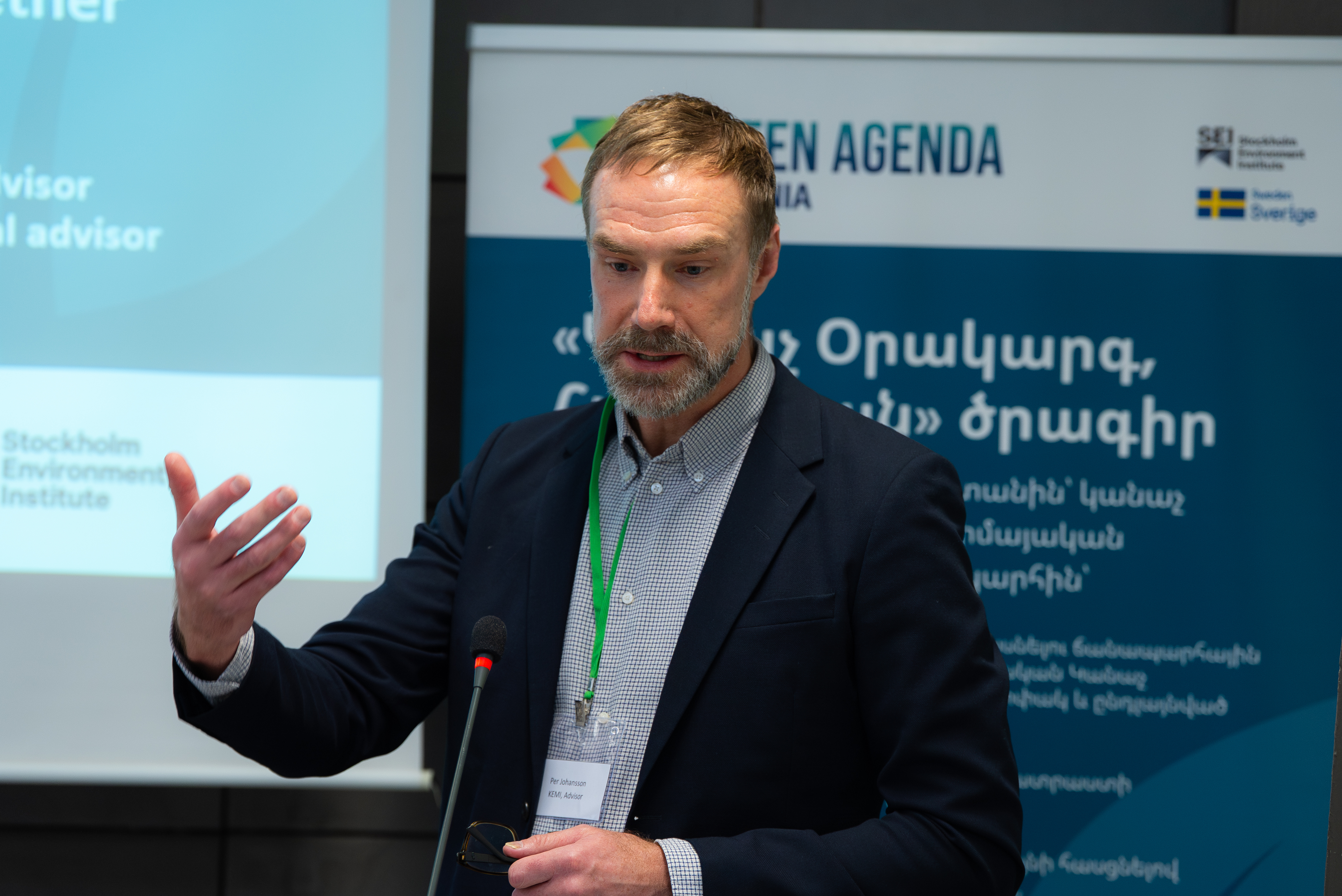
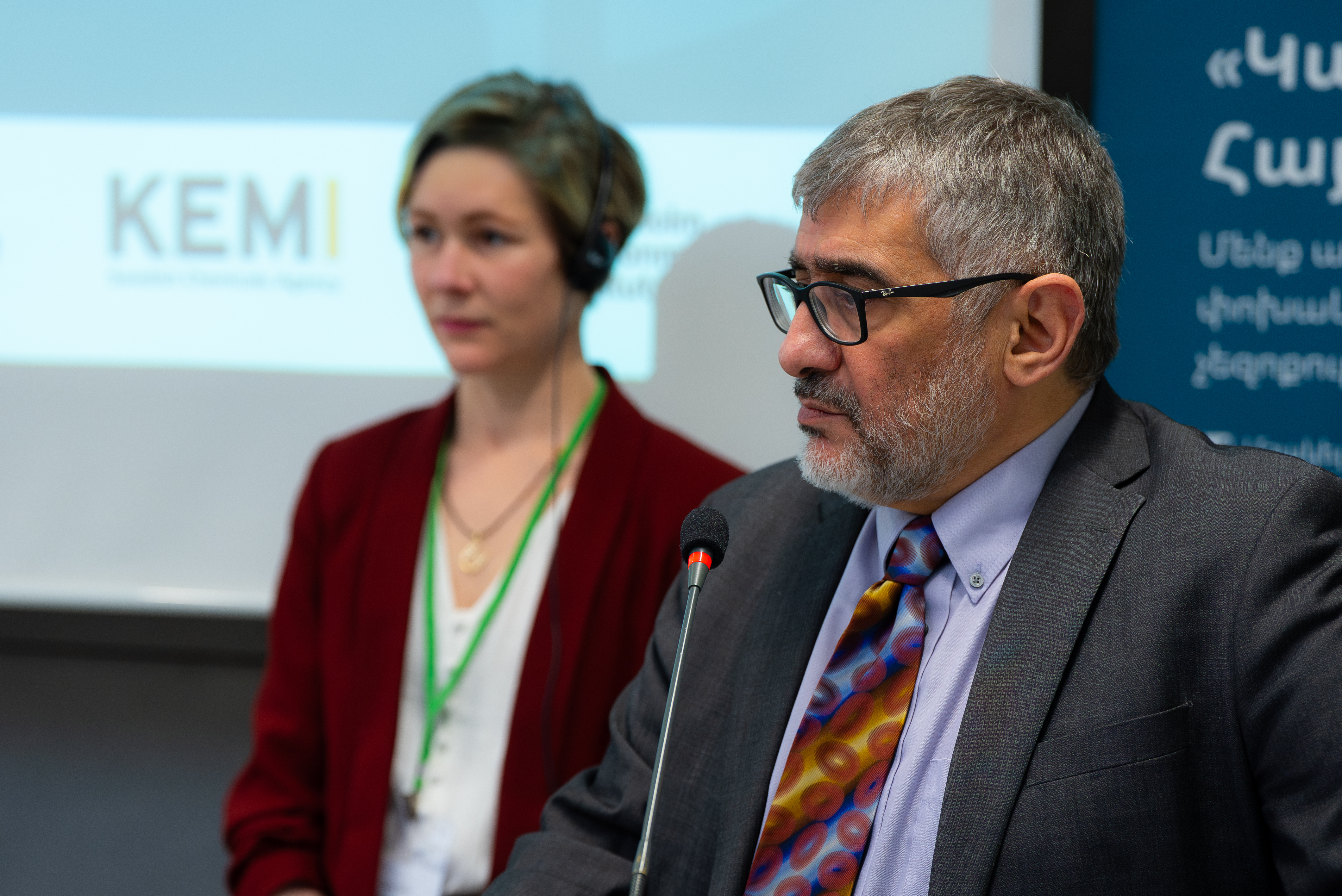
Earlier this year, the Ministry of Environment of Armenia formally requested technical support to address longstanding legislative and practical gaps in the country’s chemicals management, an area central to environmental protection and public health. Responding to this call, the SEI and AUA Acopian Center engaged top experts from the Swedish Chemicals Agency (KEMI), who are renowned for their leadership in European chemicals regulation, and national Armenian experts with expertise in legislation and chemical substances.
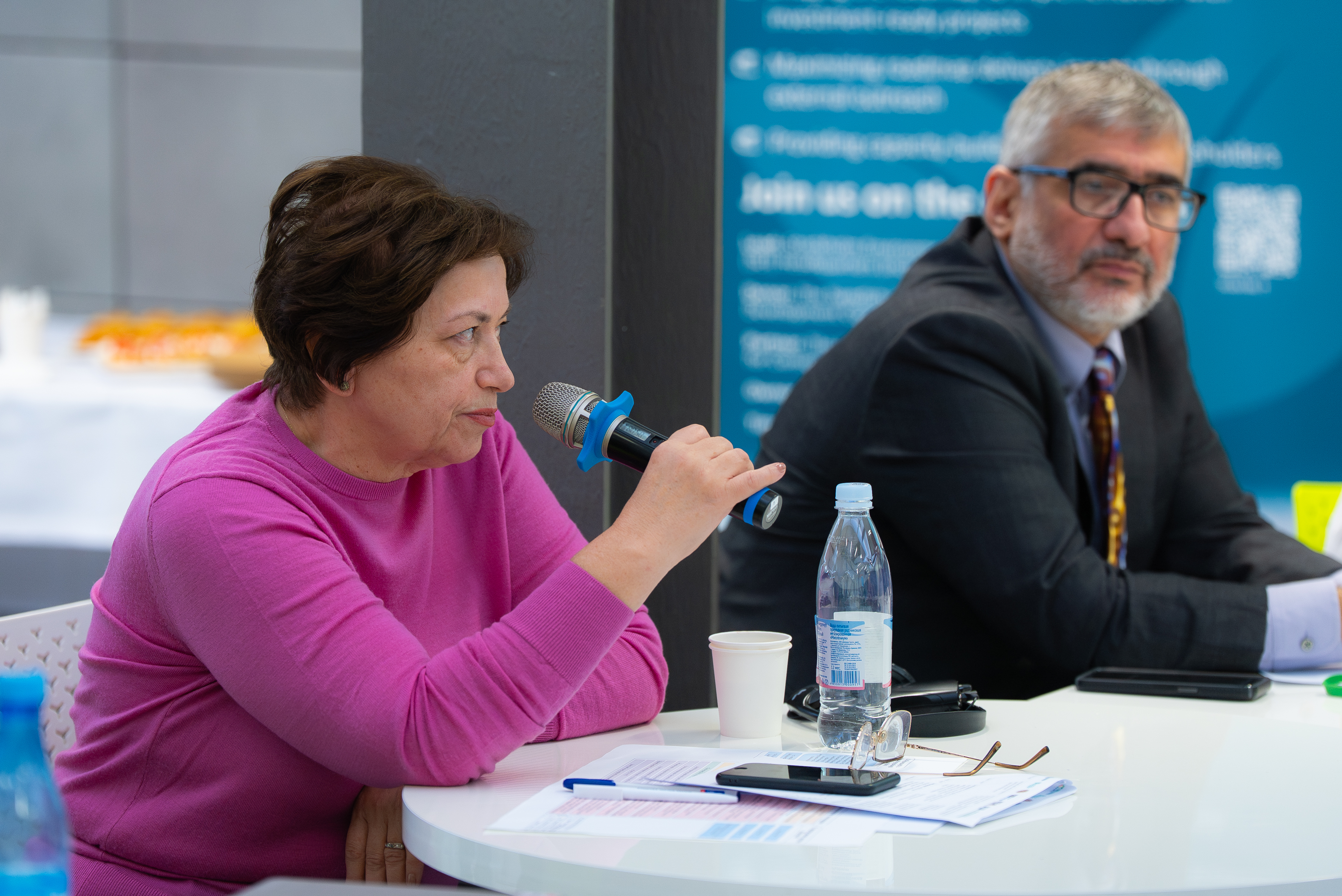
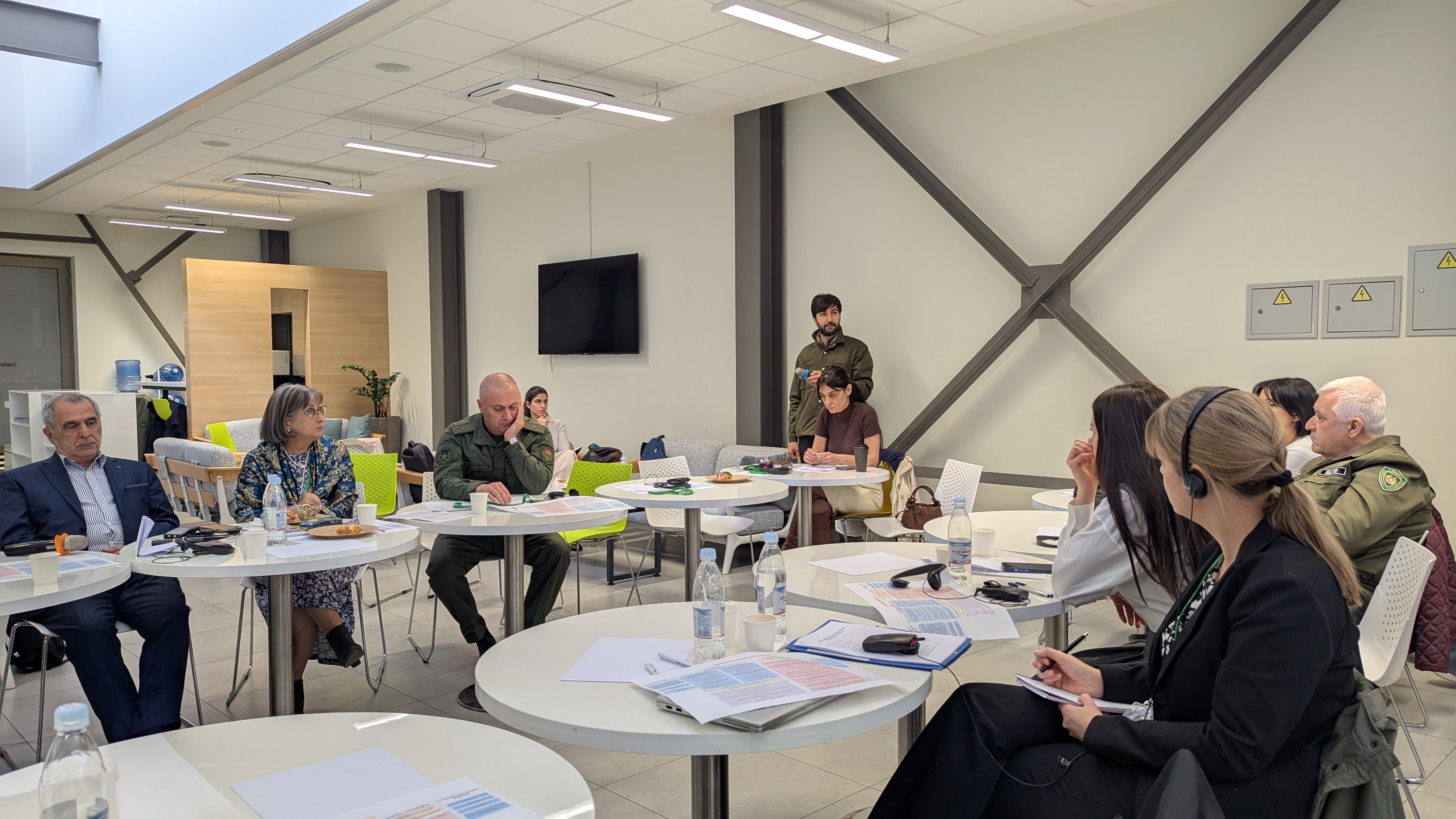
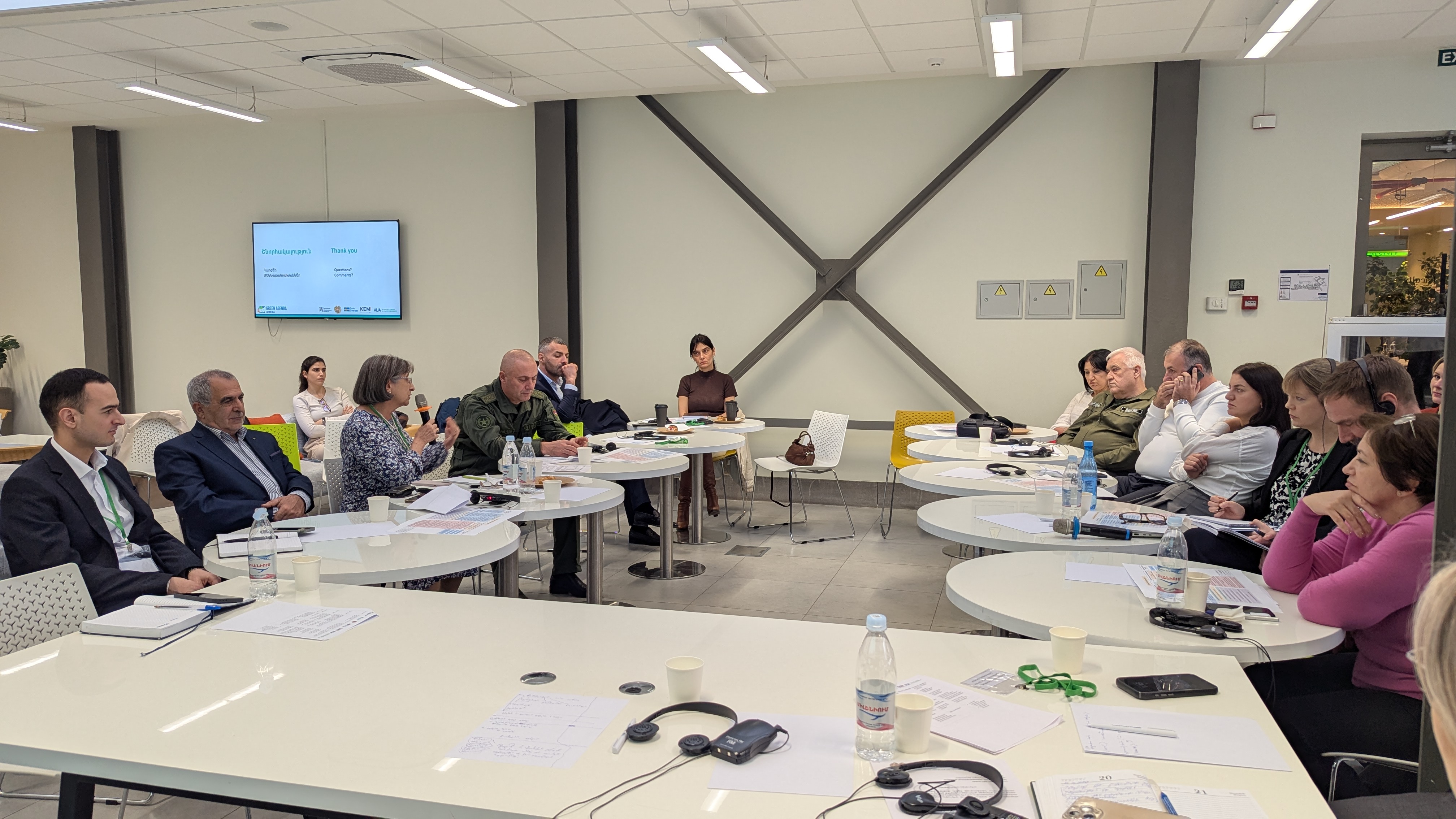
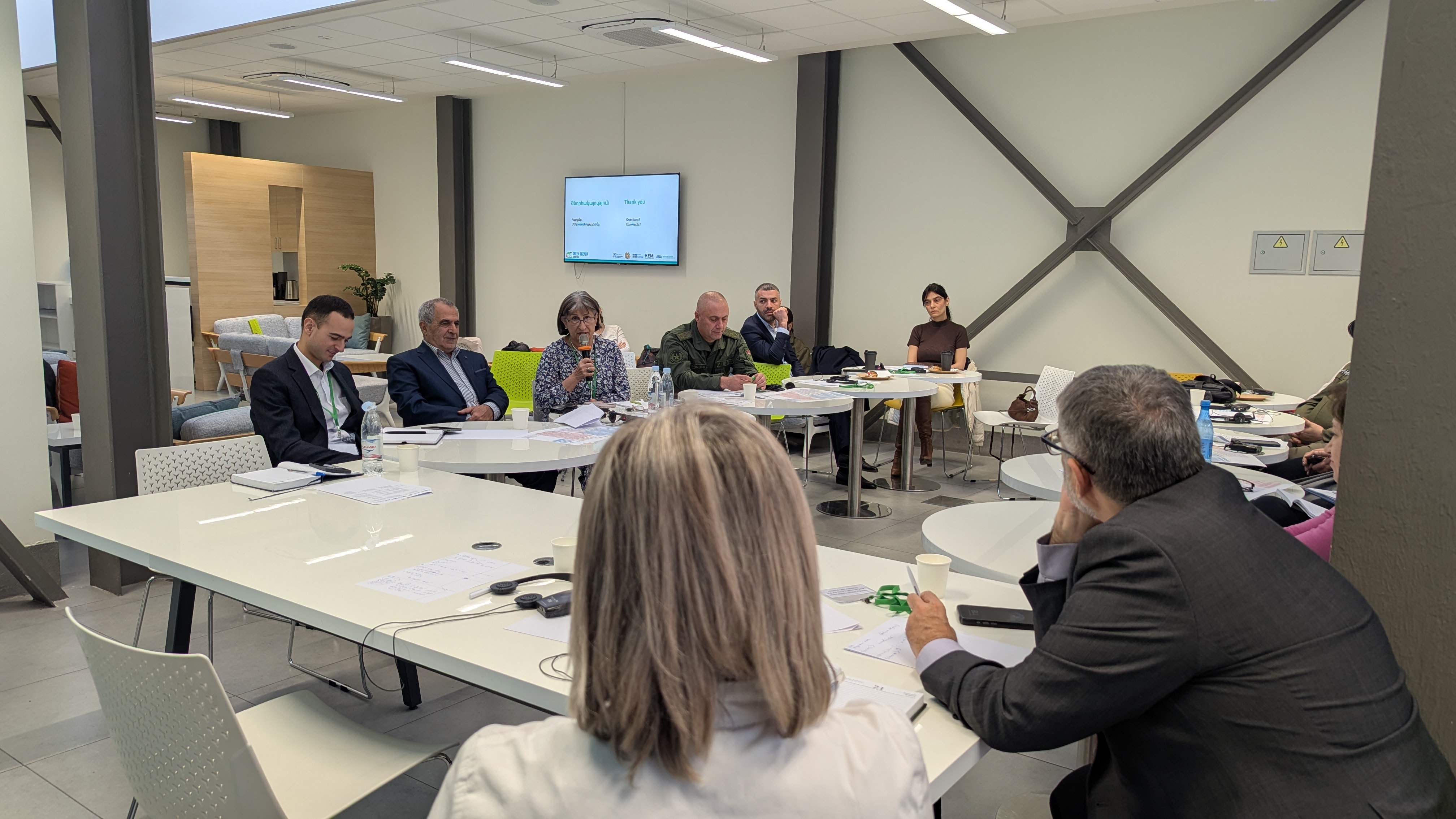
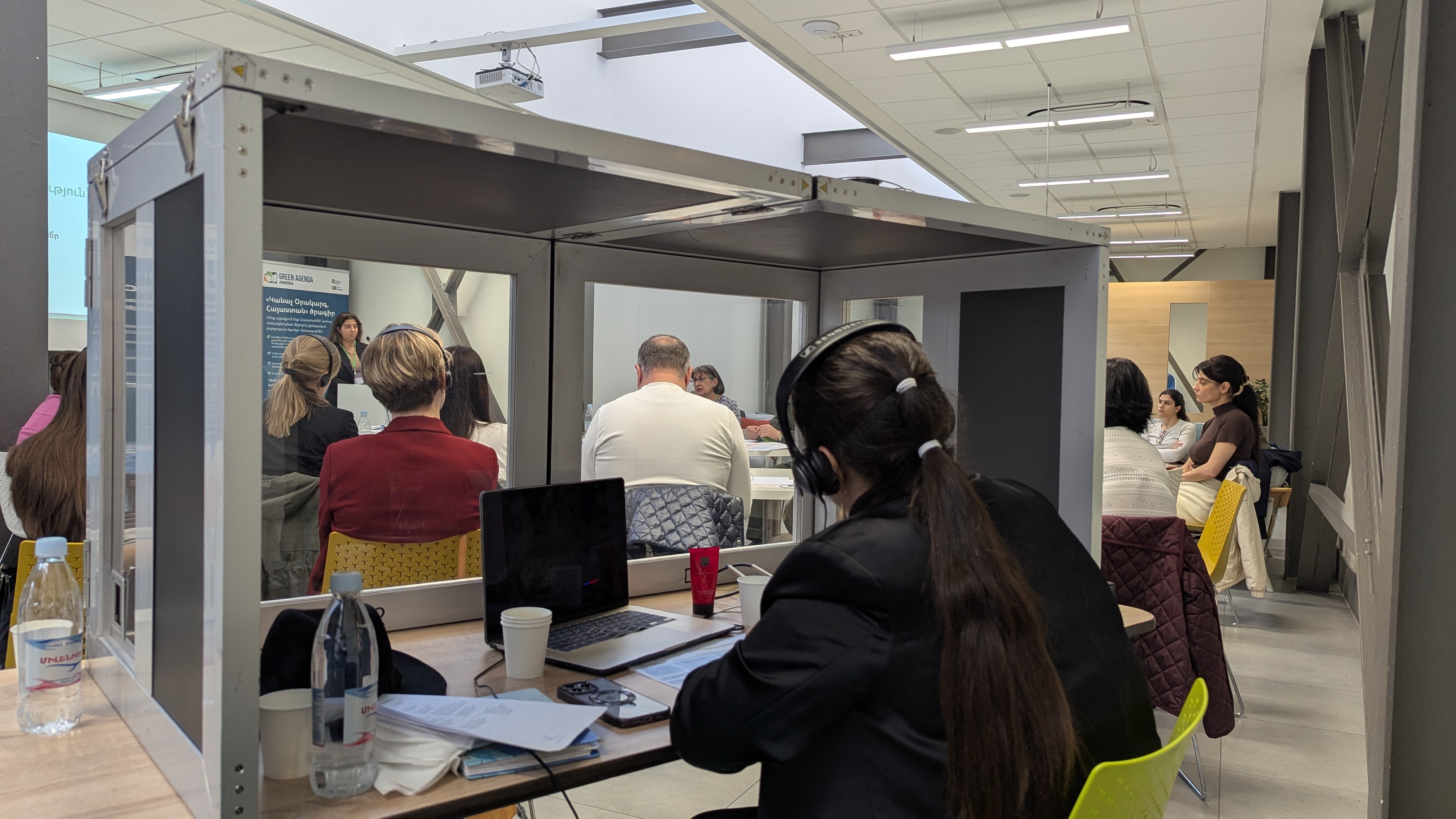
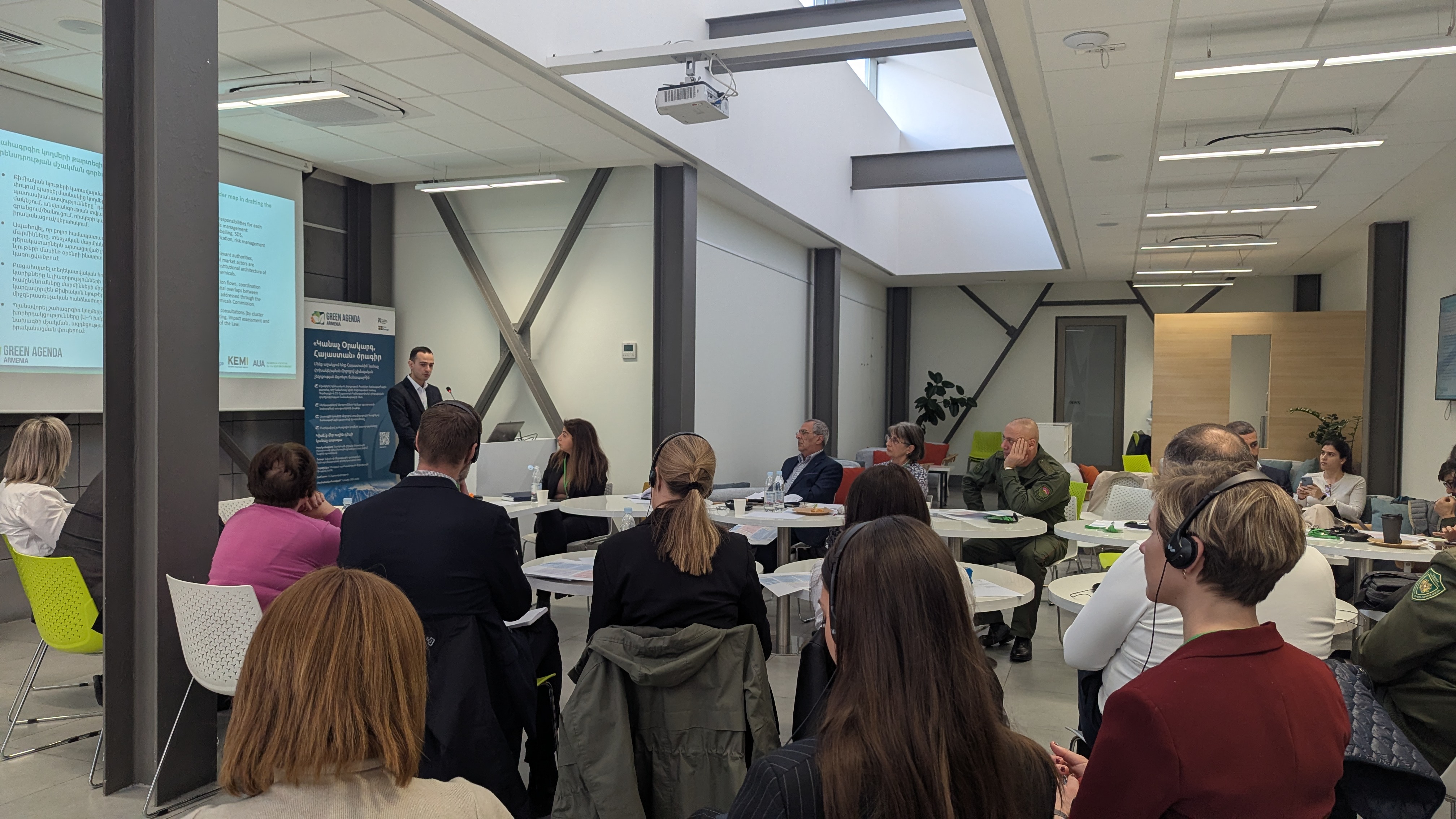
The discussion brought together representatives from Armenia’s key oversight institutions, including the Health and Labor Inspection Body, the Environmental and Mining Inspection Body, the Market Surveillance Inspection Body, the Food Safety Inspection Body, the Republican Veterinary-Sanitary and Phytosanitary Services Center, the Phytosanitary and Plant Protection Means Research and Testing Laboratory, the Regulatory Impact Assessment Department of the Prime Minister’s Office, and Ministries of Economy, Environment and Defense, among others. The cross-disciplinary discussions focused on assessing institutional roles, identifying regulatory gaps, and establishing practical priorities for the new legislation. Participants discussed Armenia’s current chemical management situation and discussed the practical requirements for shaping the first regulatory framework. Armenia’s commitments under the CEPA and other international obligations were discussed, emphasising the necessity of a coordinated national framework.
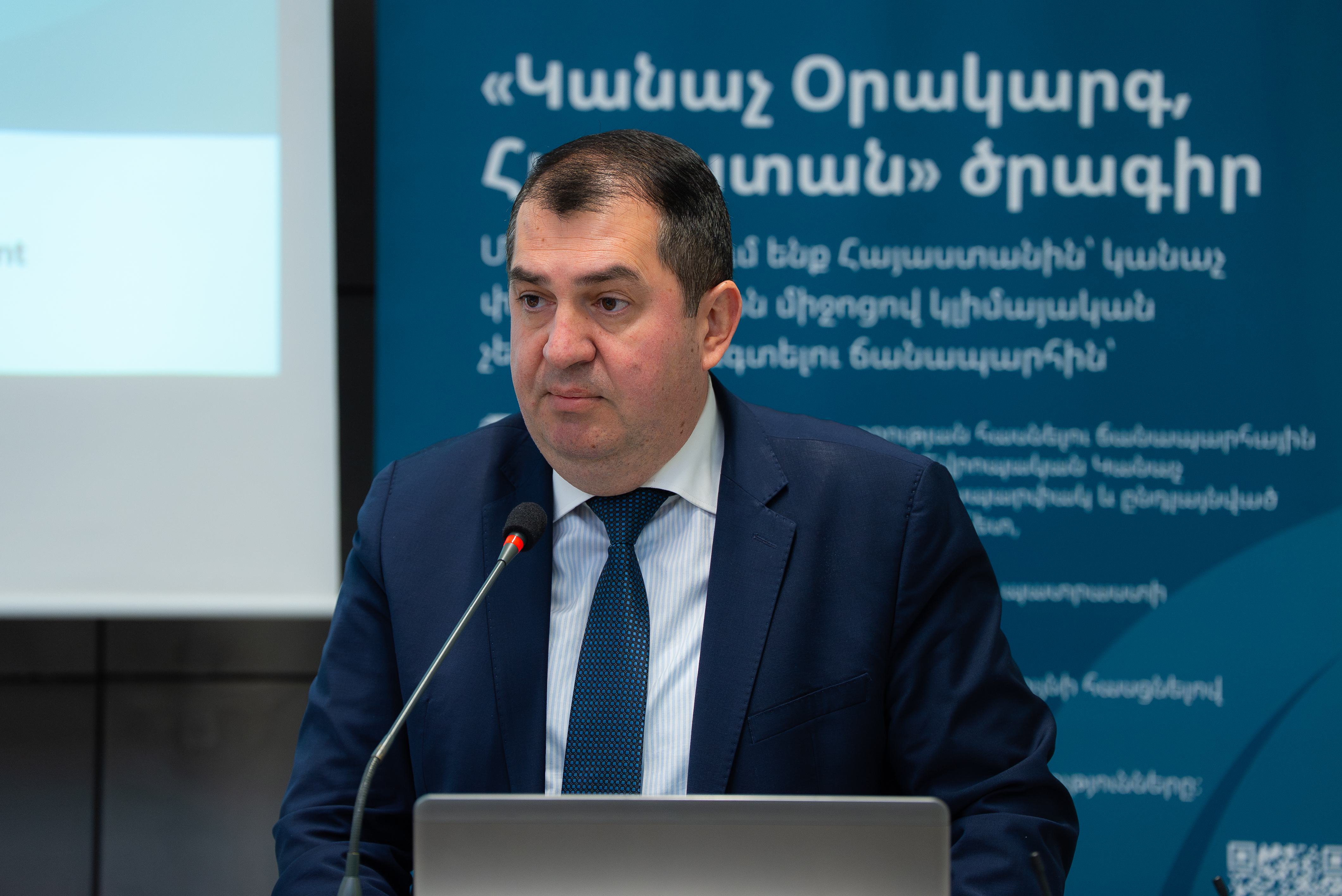
Deputy Minister of Environment, Ara Mkrtchyan, highlighted the project’s significance: “Chemical substances management is central to both environmental protection and public health. Armenia still has legislative and practical gaps in this area, and this cooperation with our international partners will help us build a stable, effective and people-centered system. We are grateful to our partners from Sweden and the American University of Armenia for their support.”
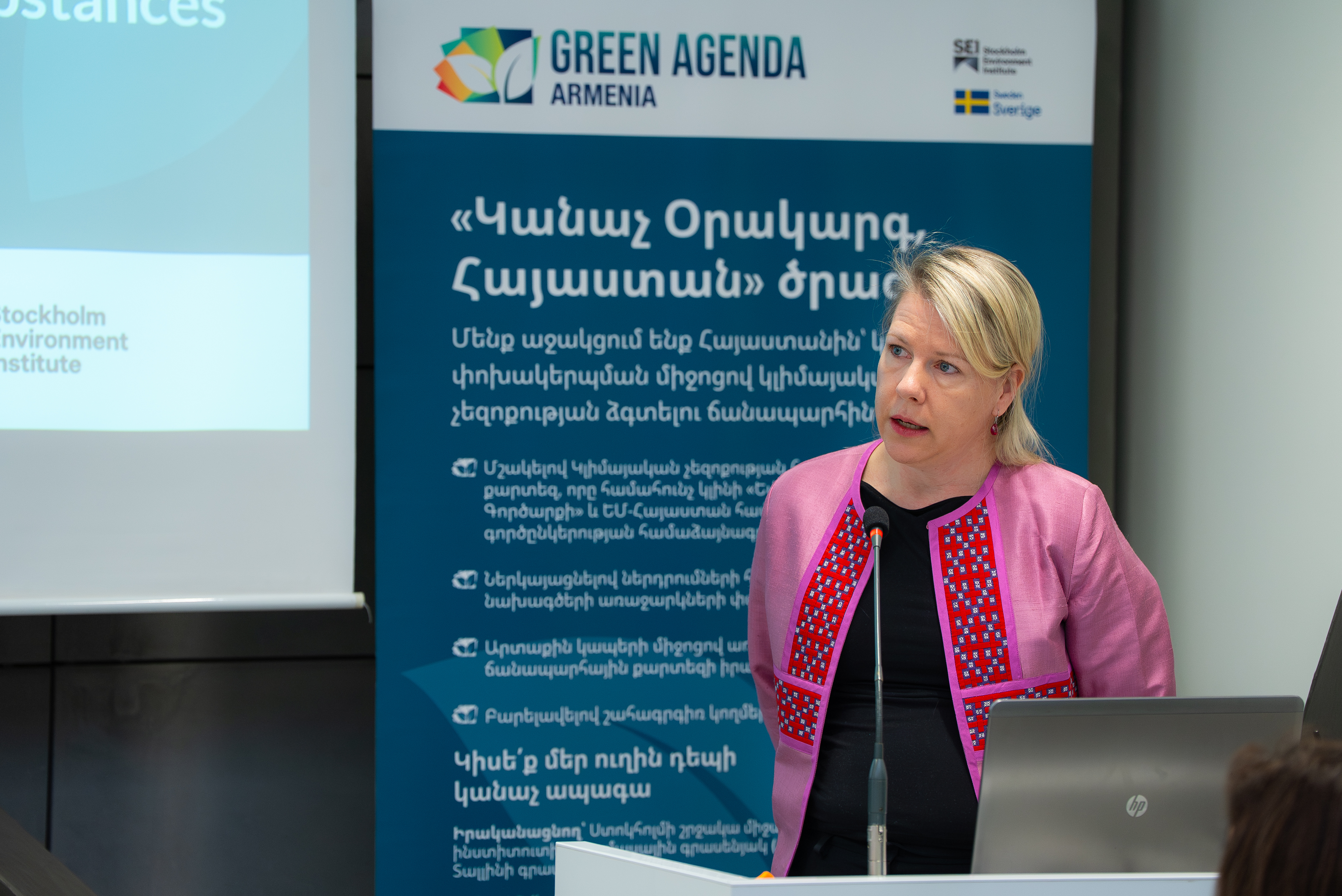
From the Embassy of Sweden, Sara Öberg Høper, Deputy Head of Development Cooperation, stated, “Environmental governance continues to be a priority for Sweden, and we are committed to sharing our experience in chemicals legislation and regulatory alignment. The Green Agenda programme exists to support countries like Armenia in their green transition and in aligning with EU standards. It is encouraging that Armenia itself requested targeted assistance in this field. Strengthening chemicals management is essential for public health, environmental protection and long-term sustainability, and we look forward to continuing this partnership as Armenia moves forward with the development of this legislation.”
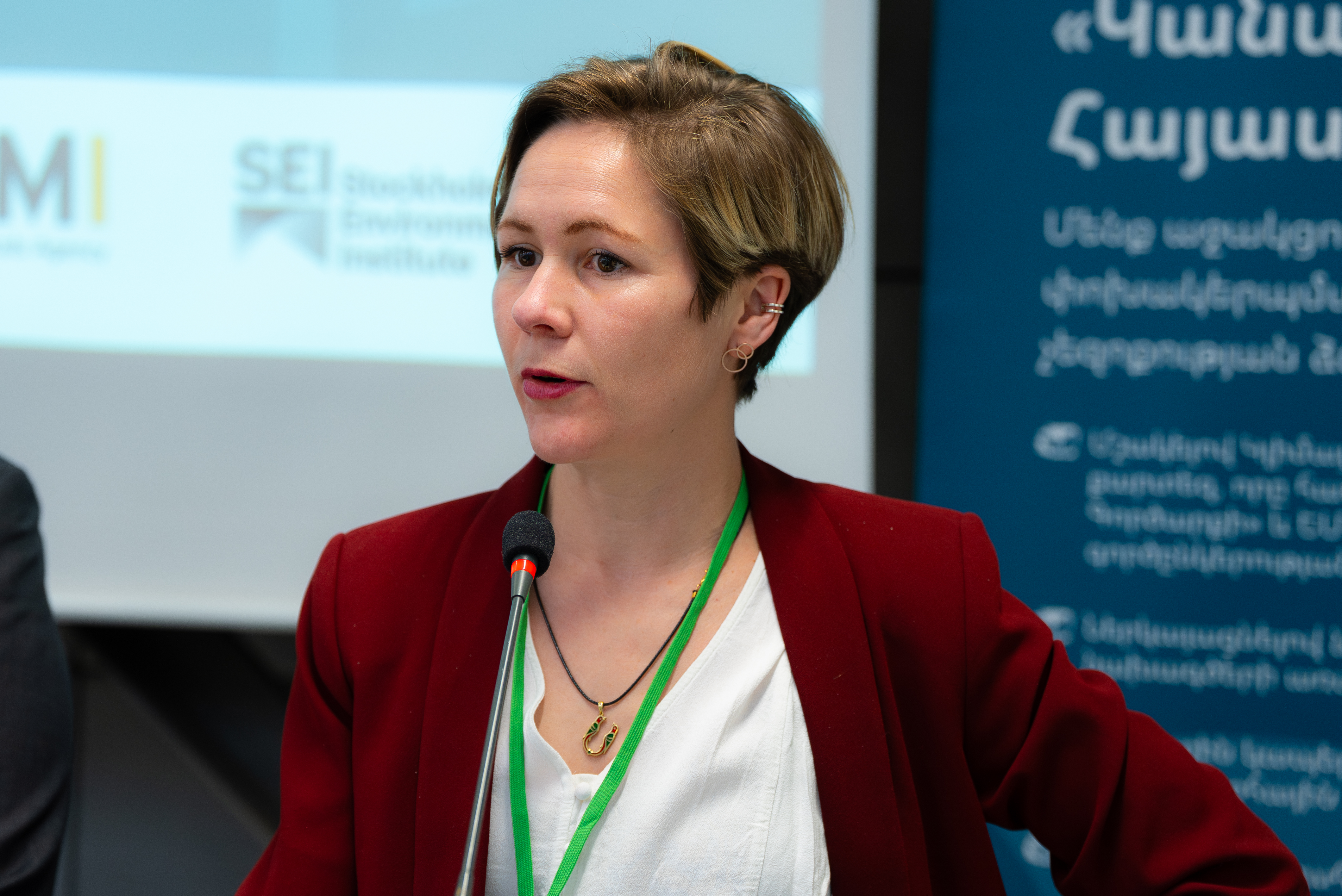
Sofia Strive, the Project Manager of SEI’s Green Agenda project for Armenia, Moldova, and Ukraine, said, “This stage of the project is especially important because it allows us to work closely with Armenian institutions to refine the scope of the draft future regulatory framework, look at practical implementation needs, and ensure that the future framework is realistic, effective, and well aligned with CEPA. Bringing in Swedish expertise from KEMI adds real value to the process. Our goal is to support Armenia, contribute to the development of a modern, clear, and functional legal foundation for chemical substances , and today’s discussions are an important step in this process. ”
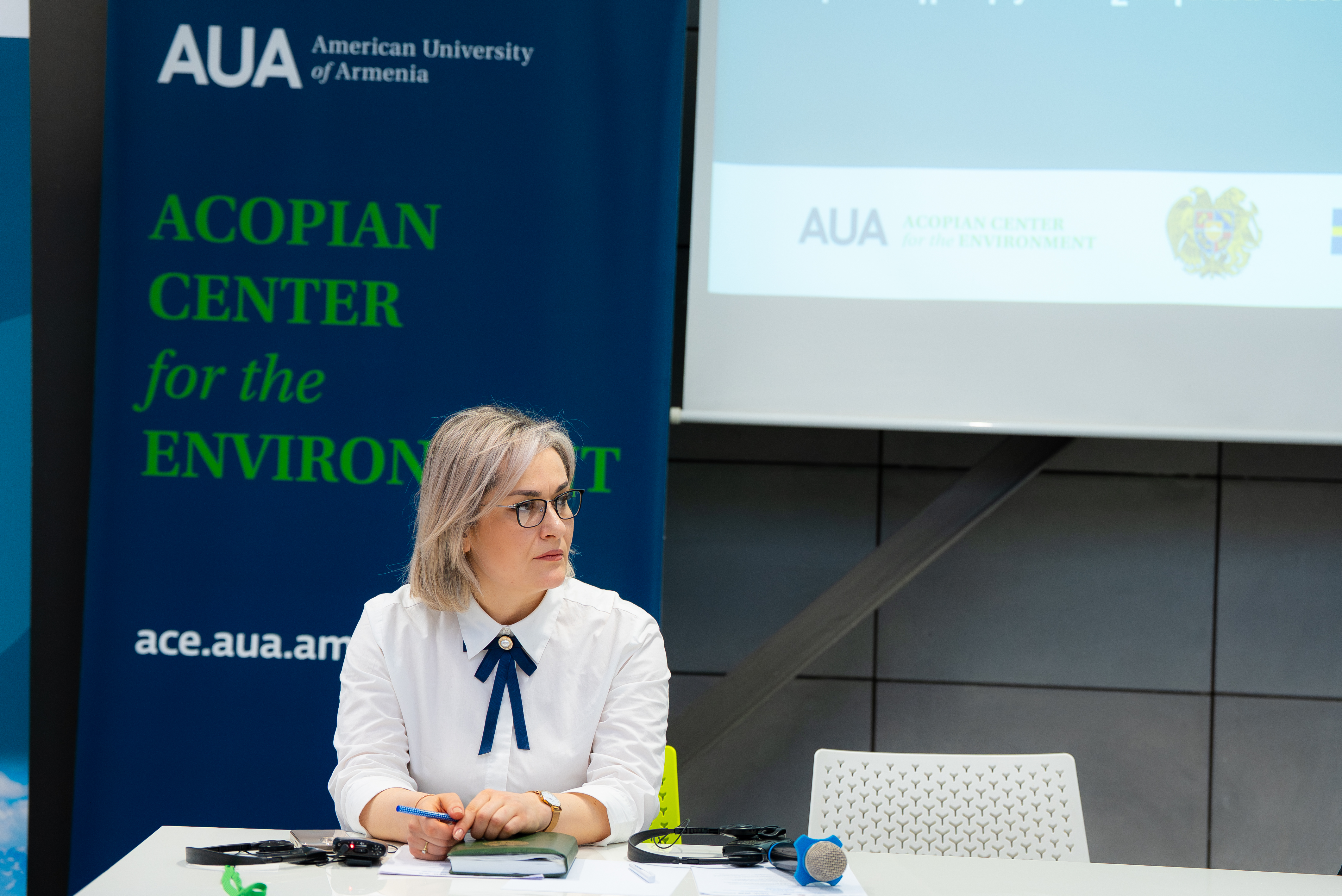
Alen G. Amirkhanian, director of the AUA Acopian Center for the Environment, added, “Our legislative and institutional gap analysis shows that to date Armenia’s chemicals regulations have been fragmented, with some key gaps. We need a foundational approach to preventing environmental and public health harm that could come from chemicals and their inadequate management in Armenia. The Green Agenda Armenia project offers the chance to address these gaps.”
The Green Agenda Armenia project team, the Ministry of Environment, Swedish partners, and national experts will collaborate intensively to advance the development of a draft regulatory framework on chemical substances – setting the stage for a safer, greener, and more sustainable future.


.jpg)