
Armenia strengthens its biodiversity agenda ahead of COP17 – why it matters now
Just months before Yerevan hosts COP17 of the Convention on Biological Diversity, Armenia has made a significant move on the global environmental stage. On March 25, 2026, the National Assembly adopted the law on ratification of the Nagoya Protocol, reinforcing the country’s commitment to protecting genetic resources and ensuring that the benefits arising from their use are shared fairly and equitably.
The decision sends a strong message: biodiversity is not a side issue. It is tied to how countries manage natural wealth, protect traditional knowledge, attract investment and build resilience for the future. But it is also deeply personal. Beyond conference halls and policy documents, biodiversity shapes everyday life in Armenia in ways that are easy to overlook - until they begin to disappear.
When people talk about biodiversity loss, they often imagine rare animals vanishing somewhere far away. But the first things to disappear usually are much closer and much quieter:
A familiar mushroom no longer grows where it used to.
Fewer bees appear in orchards in spring.
A forest still looks green, but something is off.
The landscape remains familiar, yet the balance that holds it together begins to weaken.
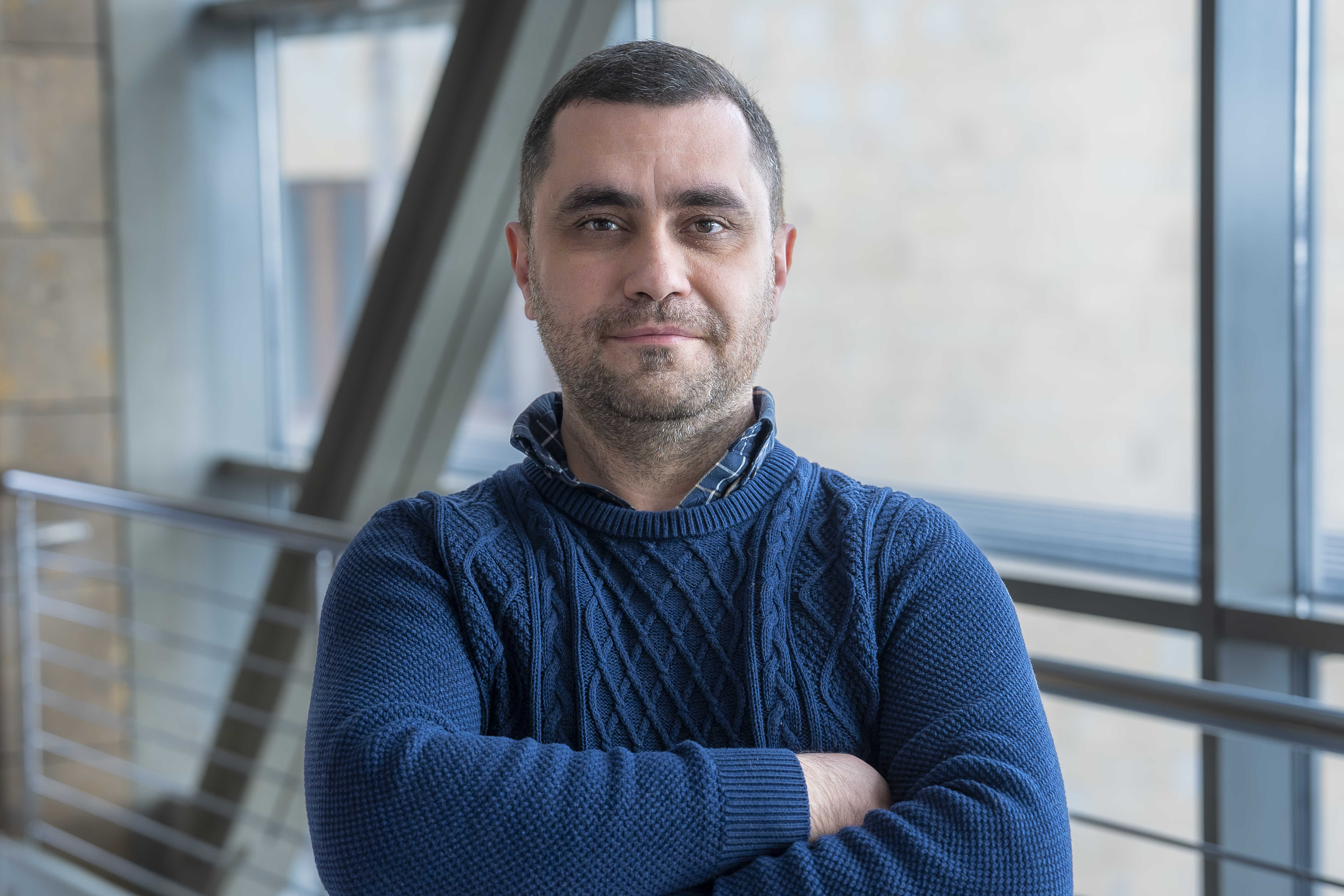
Biodiversity is often misunderstood because of its scale, says Arsen Gasparyan, a biodiversity expert with the Acopian Center for the Environment at the American University of Armenia. The center is Stockholm Environment Institute’s implementing partner in Armenia for the Green Agenda for Armenia, Moldova and Ukraine project, funded by Sida, the Swedish International Development Cooperation Agency. As Gasparyan explains, biodiversity “includes everything from genetic diversity to ecosystems”. At its core, biodiversity is not an abstract scientific term but “all about the variety of life on our planet, from the smallest bacteria and viruses to oak trees, leopards, their genes and entire ecosystems”.
Bringing this concept home means showing people not just forests, but how those forests function – and how they shape everyday life. Many Armenians love spending time in Dilijan National Park, and a closer look reveals how complex its forest ecosystems are. “Mushrooms on the ground, mosses and lichens on tree trunks add colour and life to the landscape,” Gasparyan says. “We can also see the hidden world of small insects, and when we lift our heads, birds build their nests.” Together with diverse tree species such as beech, hornbeam and oak, these organisms form “a complex forest ecosystem where everything is interconnected. The loss of even small species can disturb the balance of the entire ecosystem.”
And with that imbalance come changes to everyday life, Gasparyan emphasizes. “The decline of pollinators such as bees impacts agricultural production,” while “the loss of wild plant species that people traditionally harvest results in decline of food and medicine for rural communities.” Degraded ecosystems also increase health risks, as “they can accelerate the spread of various diseases.”
Forests provide clean air, recreation and climate regulation. When forests are degraded through illegal or unsustainable logging, Gasparyan says, “we lose these benefits and face real consequences, such as floods, landslides and extreme weather impacts that Armenia has already experienced.” In urban areas, “green spaces, urban trees and other species in cities help reduce air pollution, regulate temperature, manage stormwater, and support our mental and physical wellbeing.”
From recognition to action
At the AUA Acopian Center and within the Green Agenda framework, Gasparyan works at the intersection of science and policy. This approach allows experts to provide “evidence-based input for decision-makers”, ensuring that biodiversity research translates into real action. In his work, Gasparyan informs local policymakers about the importance of Armenian biodiversity to the nation and its people. “The Green Agenda helps turn knowledge into practice for researchers, students, communities, and policymakers around shared conservation goals”, he says.
This fall, Armenia has the opportunity to inform the world about its own position as “a global biodiversity hotspot”, when policymakers will descend on Armenia for the biodiversity COP17 – a landmark moment, Gasparyan says. With more than 10 000 participants from around the world, COP17 offers Armenia “a unique opportunity to demonstrate leadership in real-world implementation of the global biodiversity agenda”.
The recent adoption of the law on ratification of the Nagoya Protocol adds new weight to that moment. It strengthens Armenia’s standing ahead of COP17 and reflects a broader understanding that biodiversity is not only something to conserve, but something to govern responsibly, fairly and in the public interest.
COP17 also will create new opportunities for learning and exchange: “Students and young professionals will have the chance to interact with leading scientists, policymakers, and practitioners from around the world.” Everyday people will see the economic benefits from the influx of visitors for the “biodiversity COP”. But they also see, clearly, why biodiversity matters in their own lives.
“We cannot raise awareness among the general public in just a couple of weeks,” Gasparyan says, emphasizing the need for long-term education and sustained action. In this context, the COP17 Green Zone – where everyday people can visit national exhibits and learn more about the science – will play a crucial role, offering a chance “for people to engage directly with global initiatives”.
For Gasparyan, COP17 is only the beginning. Its true success will depend on what follows - whether biodiversity remains part of national priorities once the global spotlight fades. What is at stake is not only nature itself, but the systems that support everyday life in Armenia and beyond.