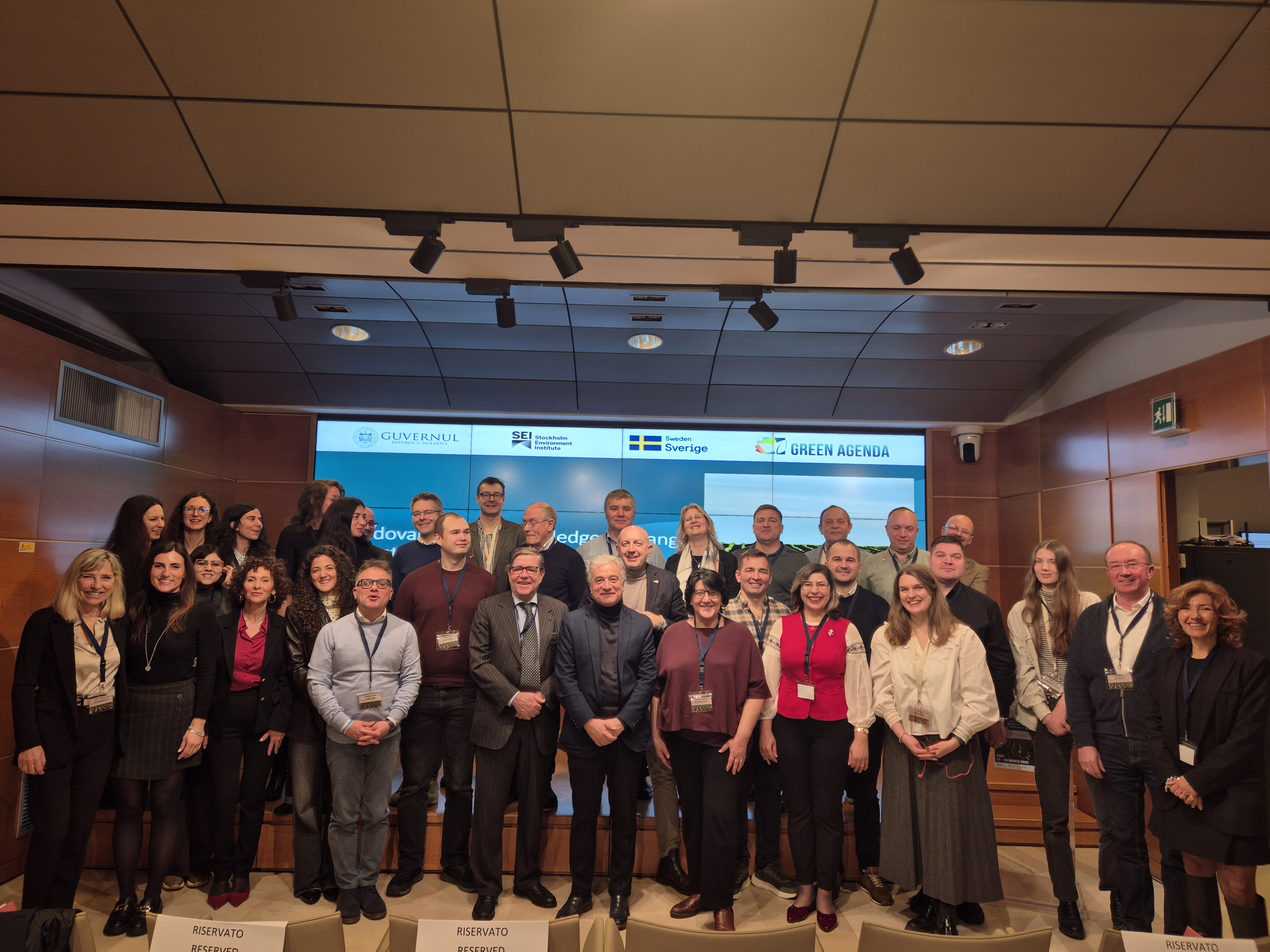
Moldovan delegation visits Apulia Region to study water reuse in irrigation under EU regulation
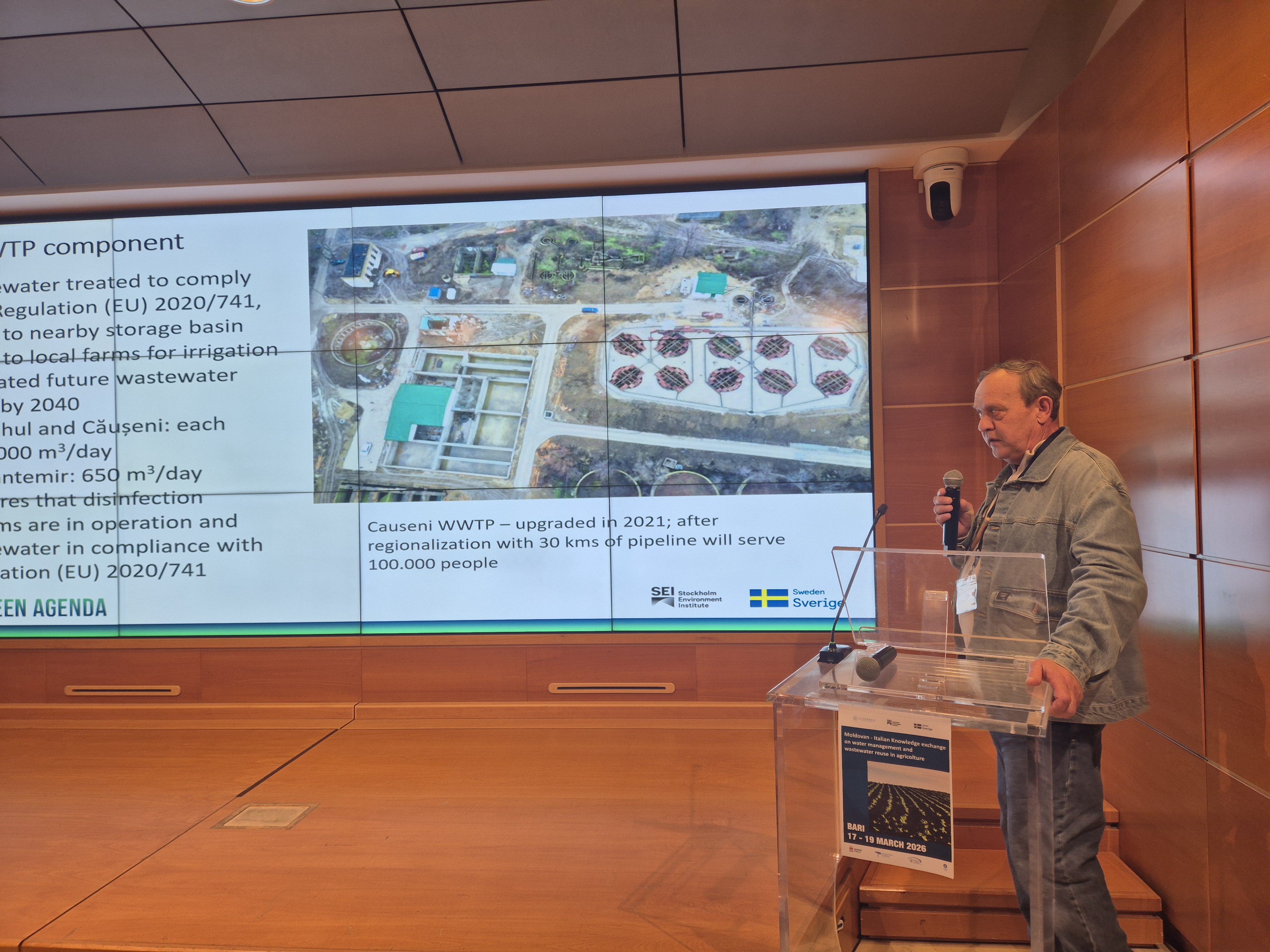
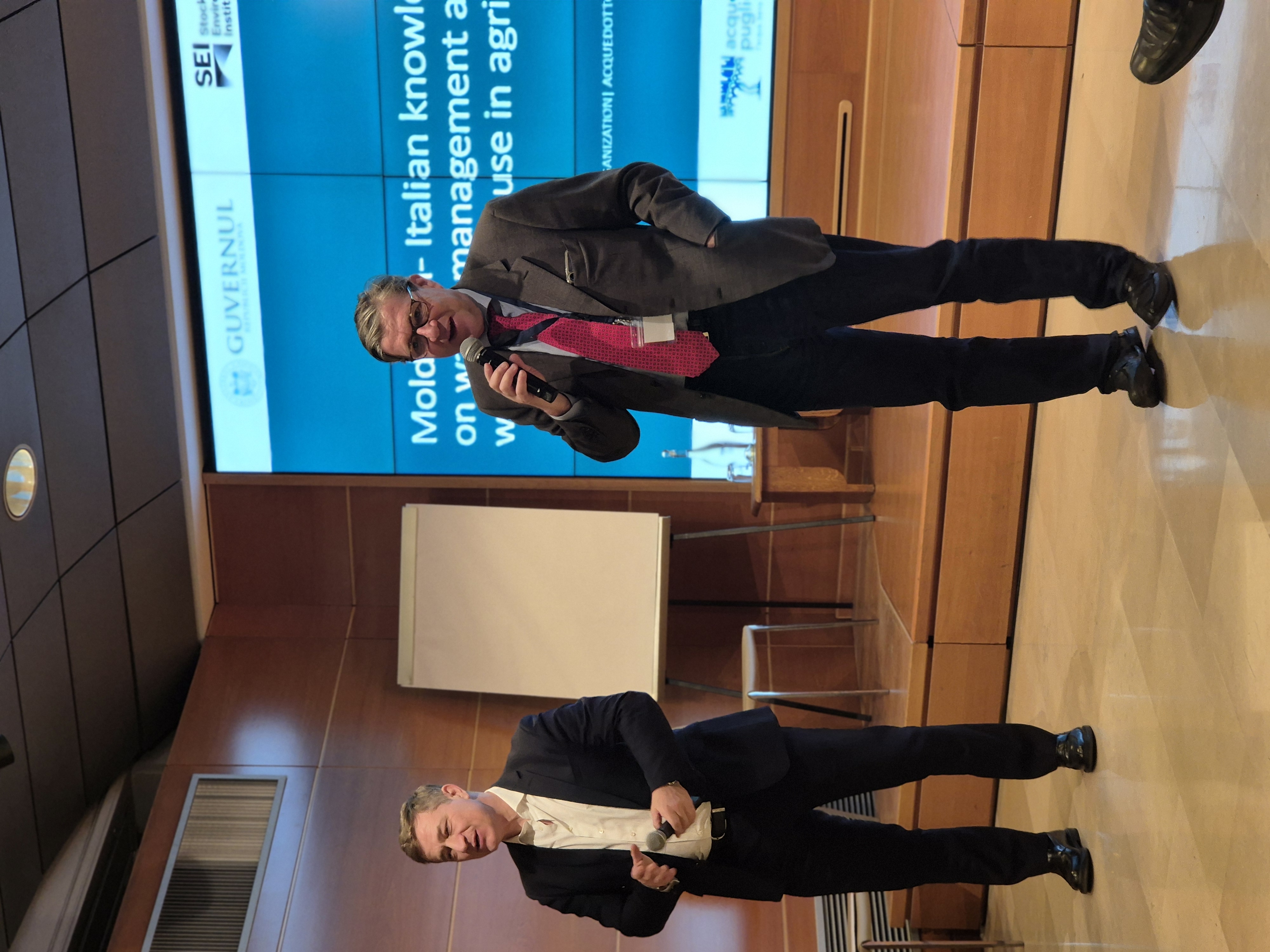
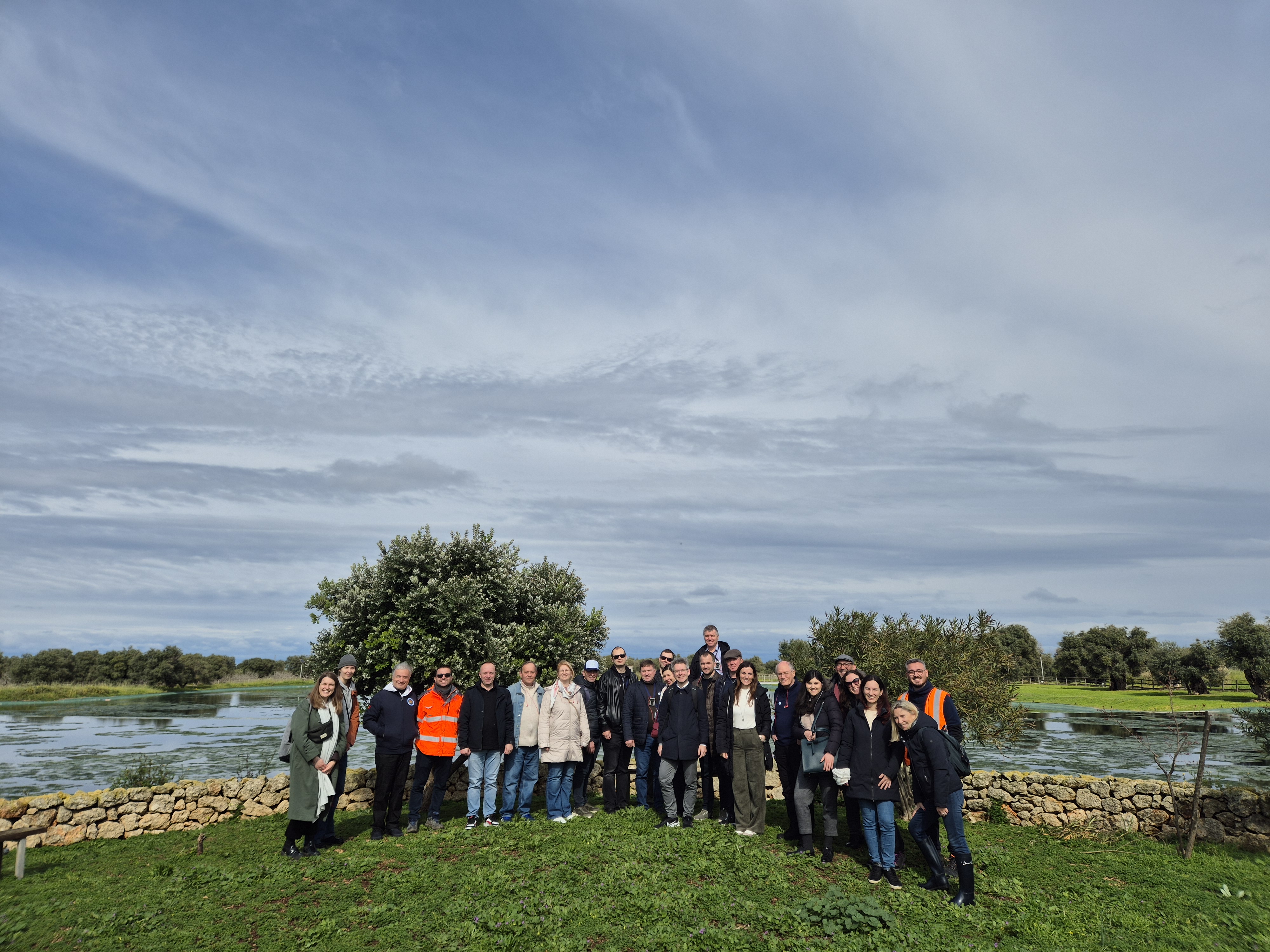
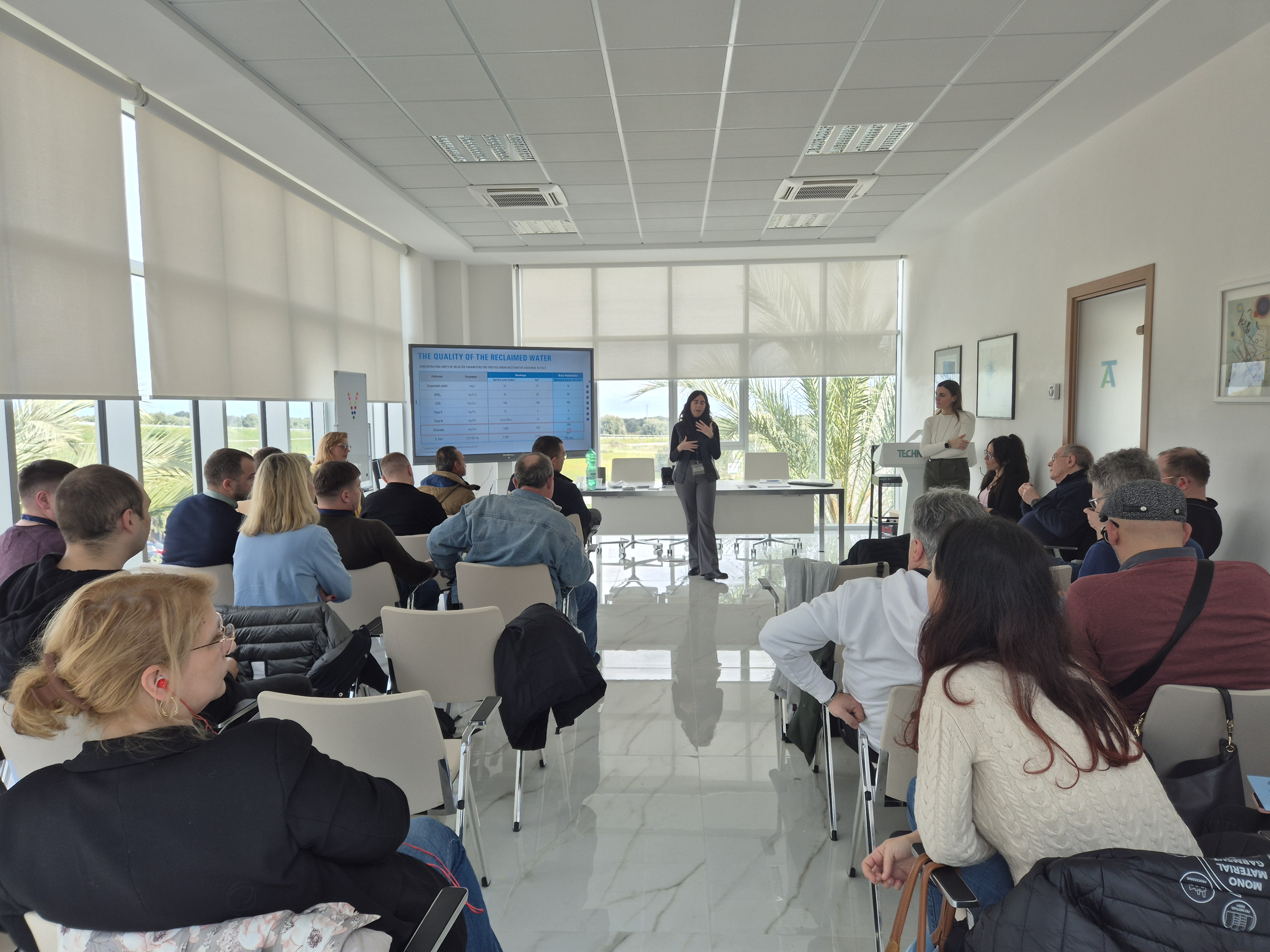
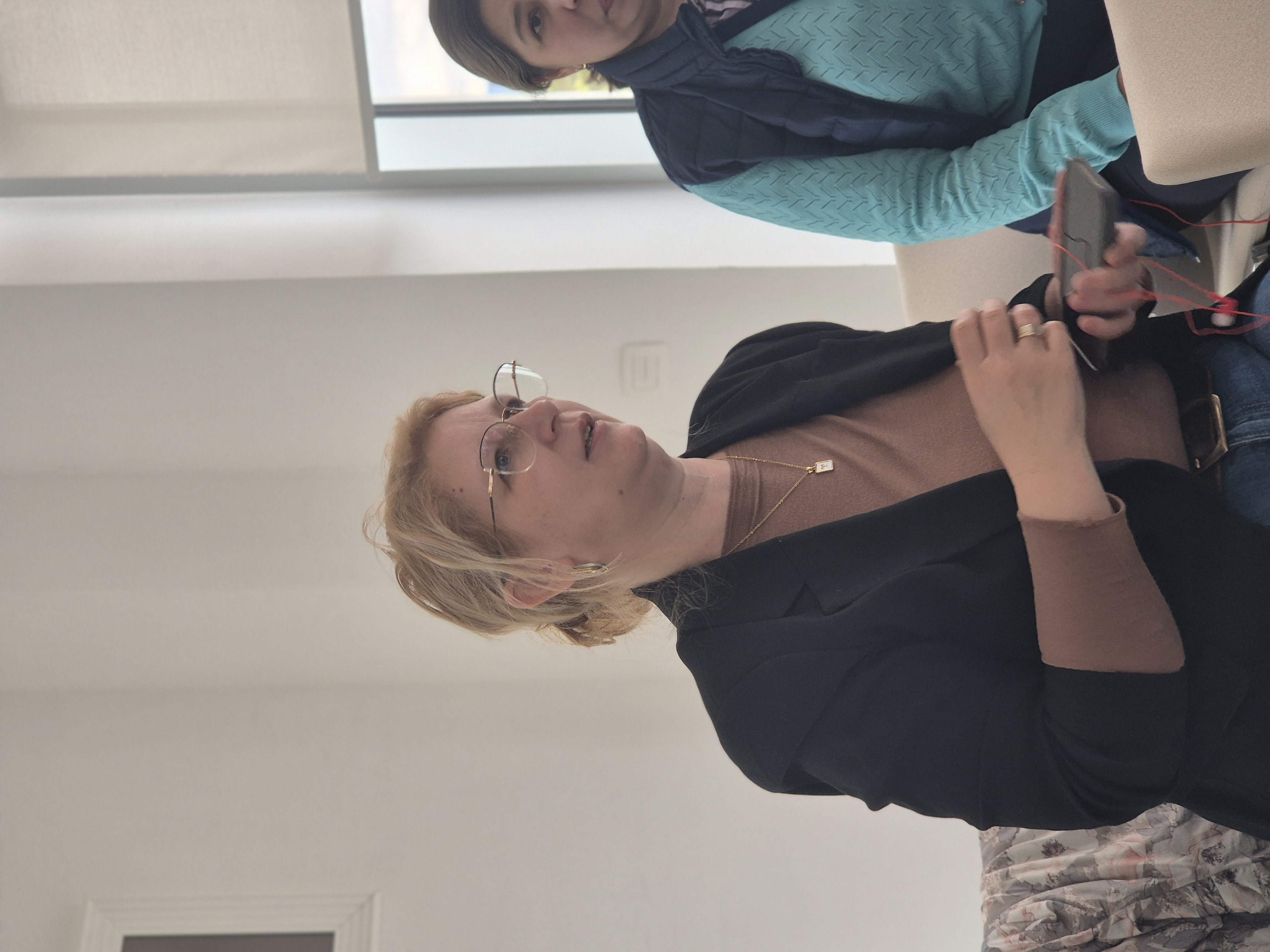
From 17 to 19 March 2026, a Moldovan delegation of 11 governmental representatives, Swedish Embassy in Moldova representative, and national experts visited the Apulia region in Italy to gain critical knowledge on wastewater reuse practices in agricultural irrigation. The study visit was organised by the Stockholm Environment Institute (SEI) as part of the Green Agenda Moldova project, funded by the Swedish International Development Cooperation Agency (Sida). The programme was held in cooperation with Acquedotto Pugliese (AQP), the Apulia Region, the Apulian Water Authority, and CIHEAM Bari (the Mediterranean Agronomic Institute of Bari).
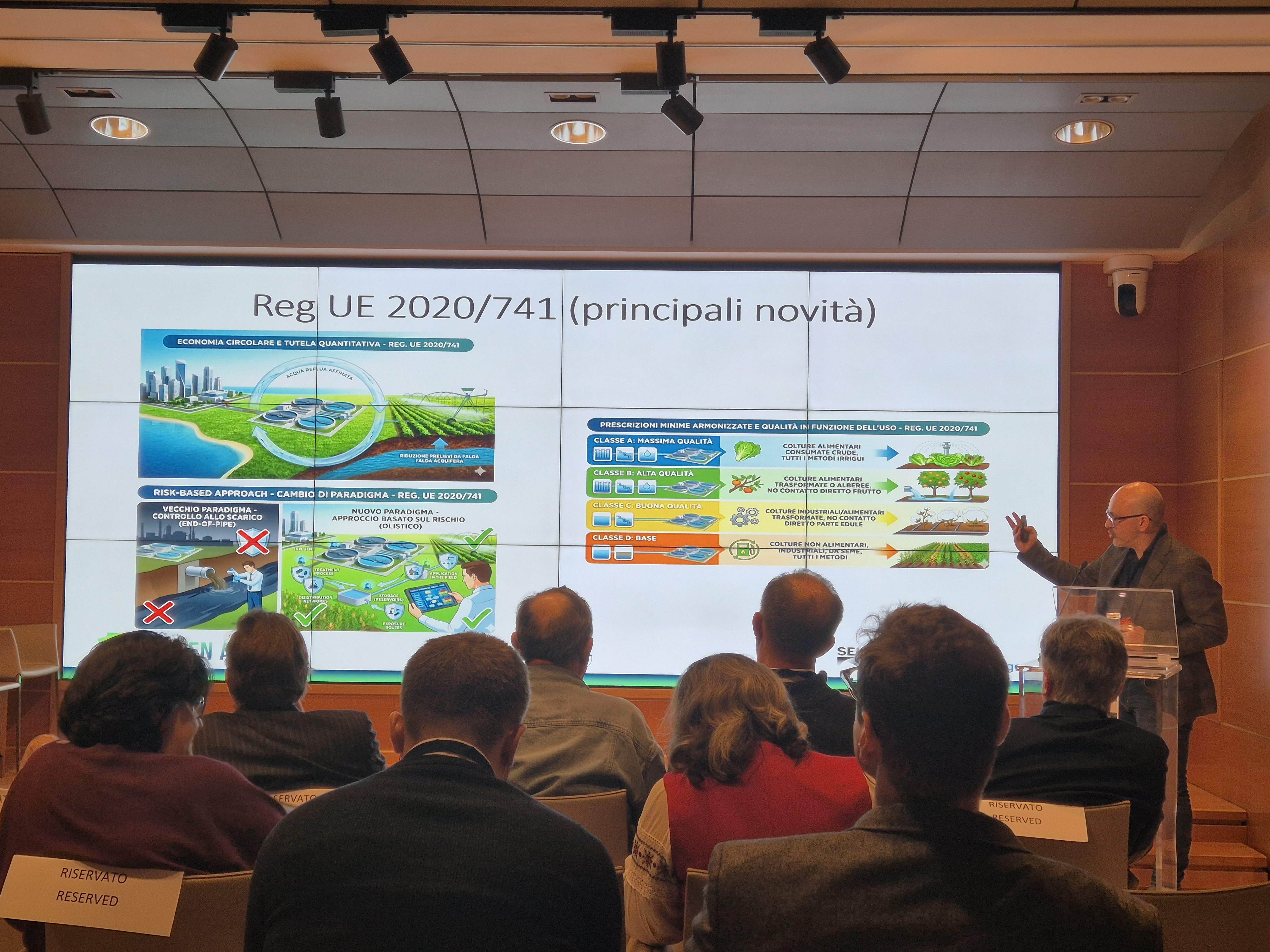
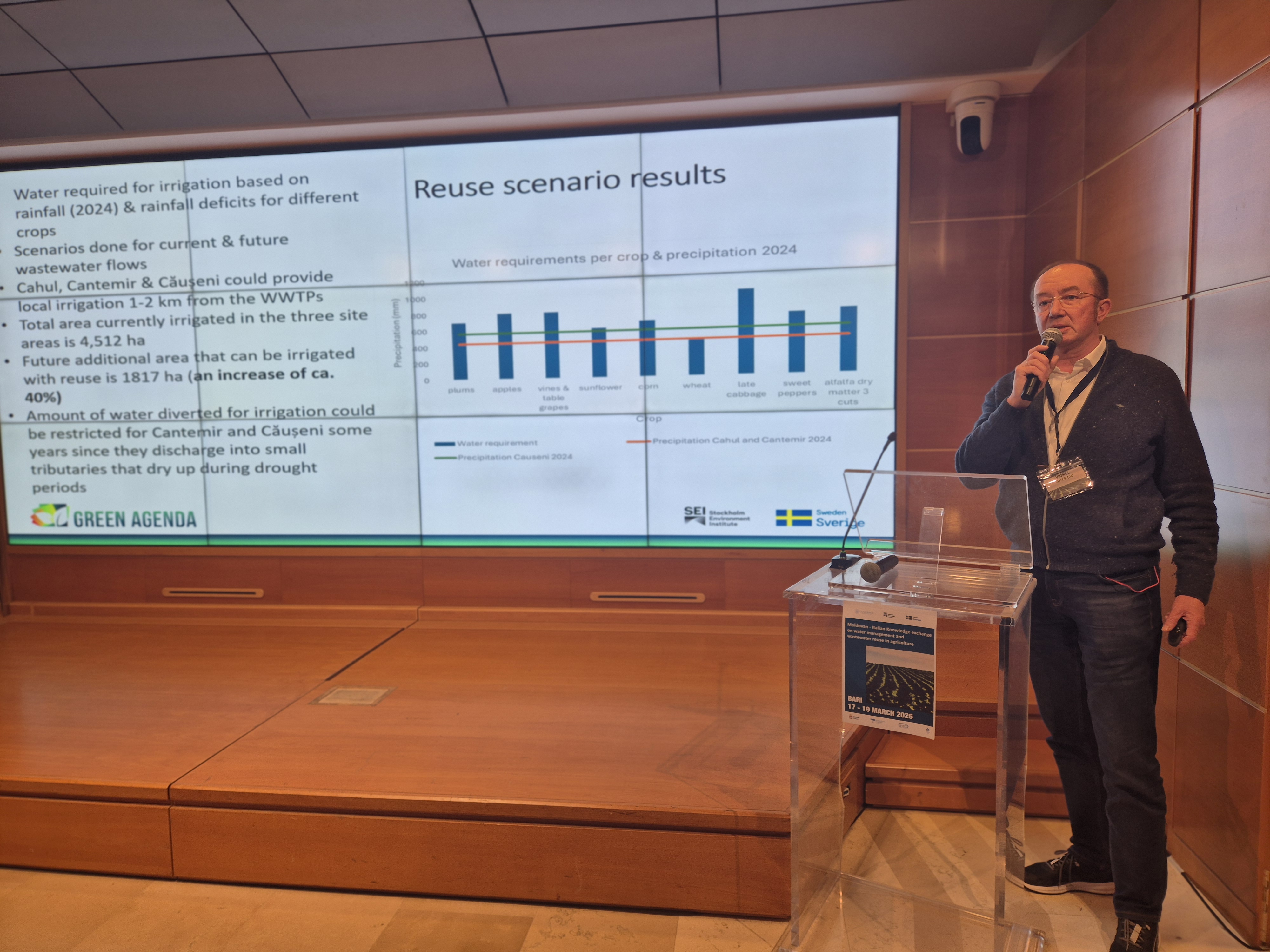
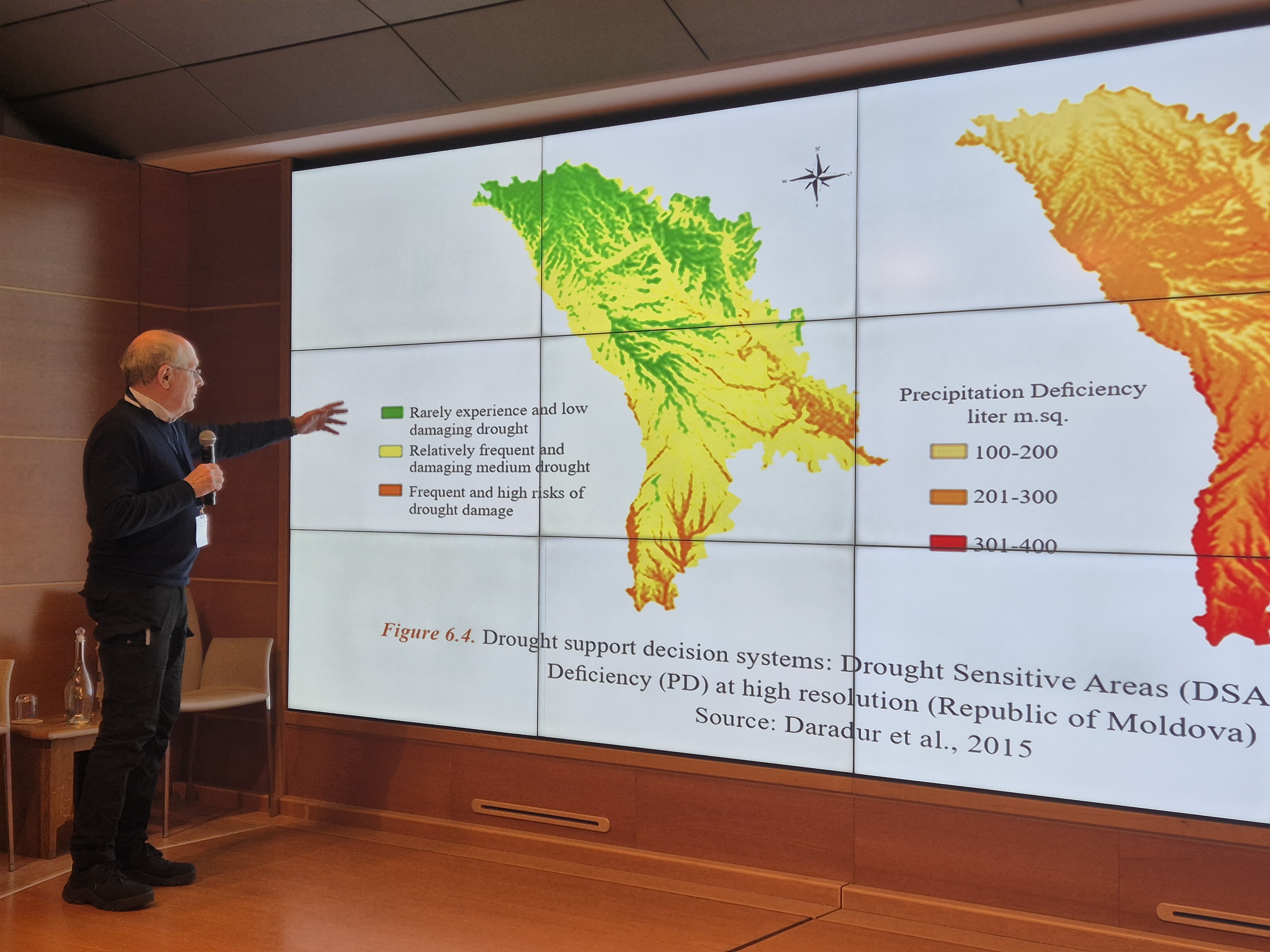
The visit marks an important milestone as Moldova accelerates its EU integration process and transposition of Regulation (EU) 2020/741 on minimum requirements for water reuse. The visit also supported preparations for the stakeholder consultation phase to validate the findings of the SEI’s “Moldova Climate Adaptation Study on Treated Wastewater Reuse in Irrigation,” focusing on three pilot sites in Căușeni, Cantemir and Cahul in Southern Moldova, where water scarcity for irrigation is most severe.
The delegation, led by Ms. Aurelia Donos, Acting Head of the Integrated Water Resources Management Department at the Ministry of Environment, brought together representatives from the Ministry of Agriculture and Food Industry, the Environmental Agency, the National Agency for Land Improvements, the National Food Safety Agency, the Căușeni District Council, the Water Users Association “Iriteh”, the Swedish Embassy in Moldova, and national experts who contributed to the SEI study.
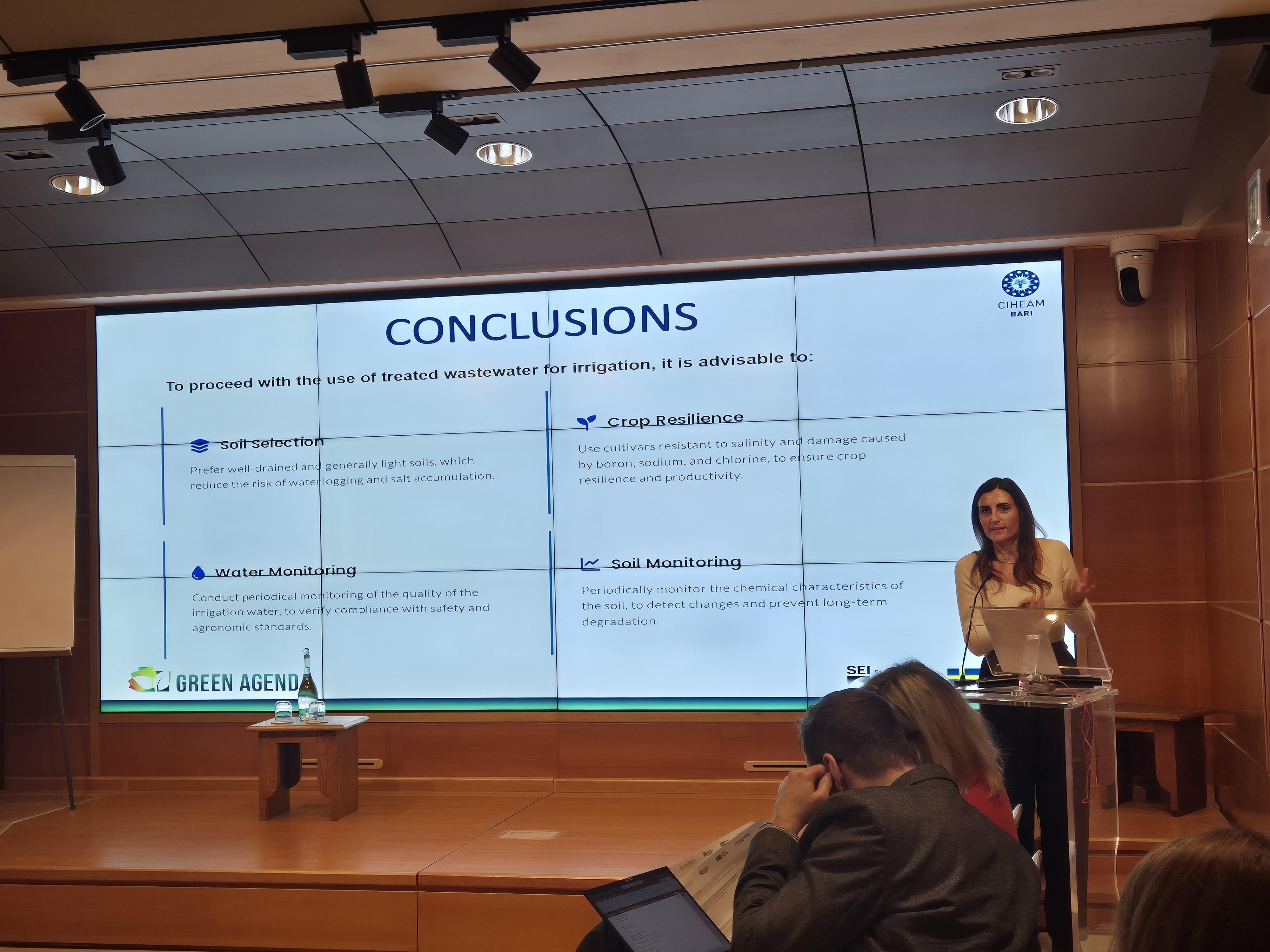
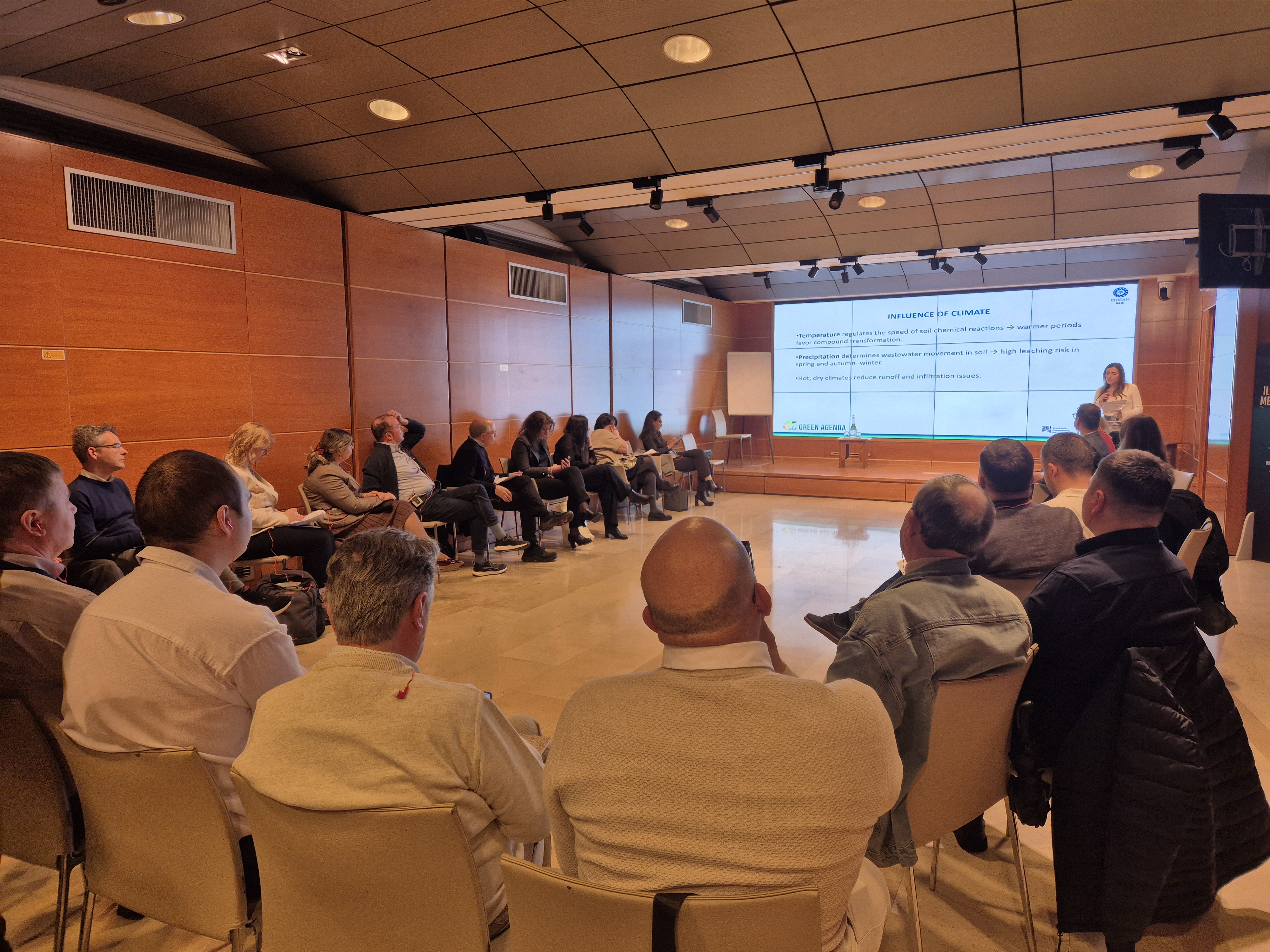
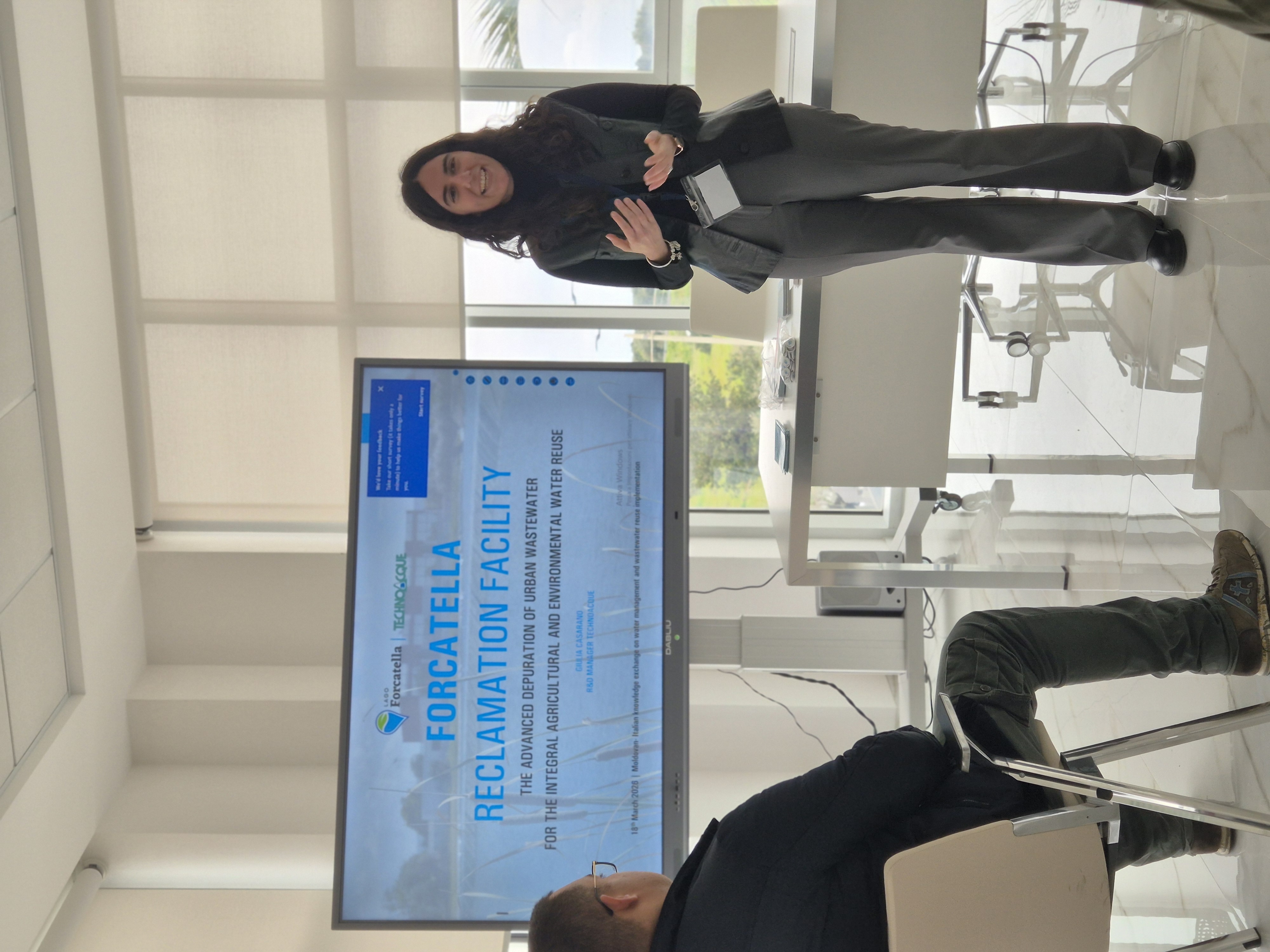
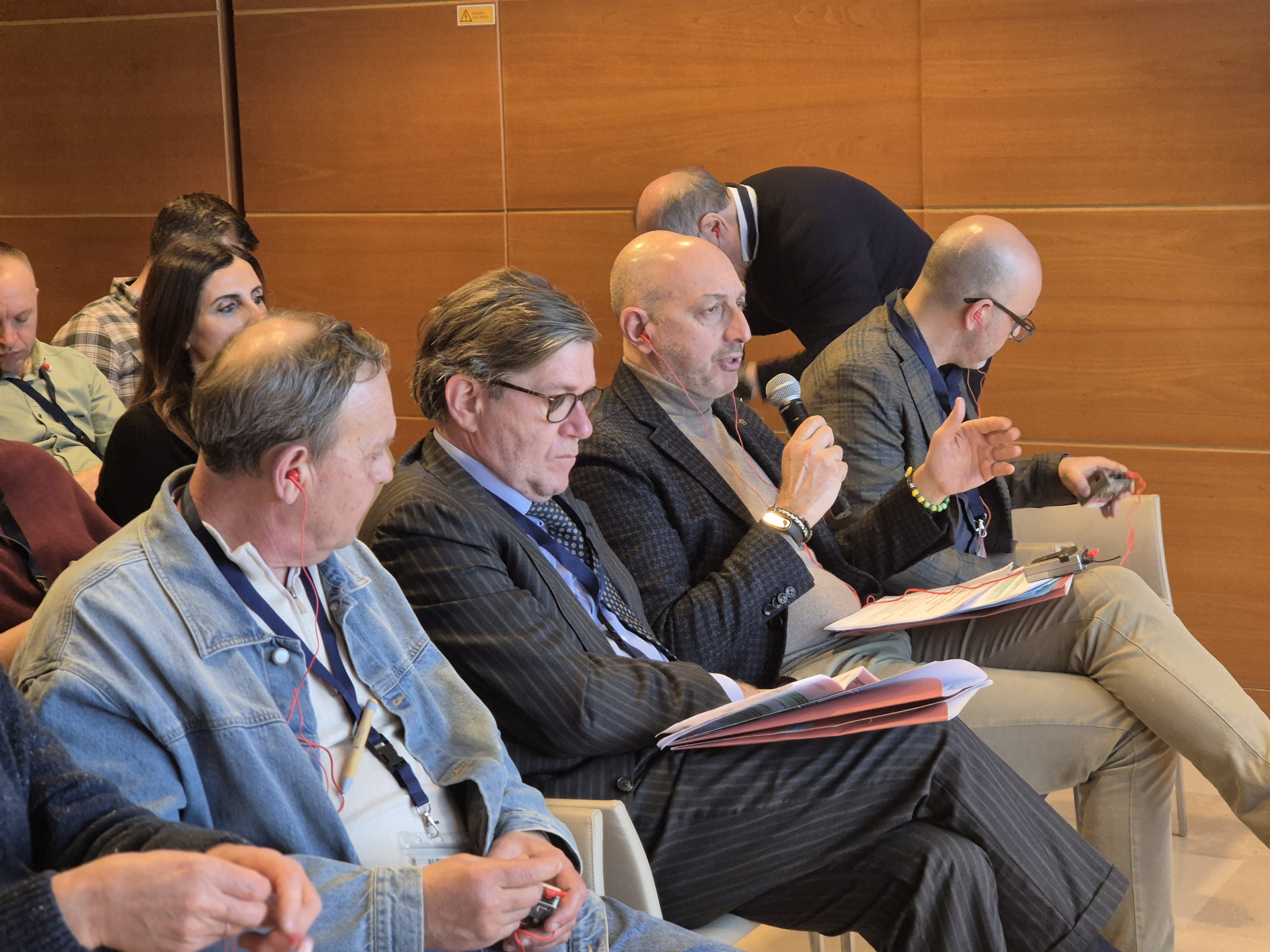
During the visit, Italian counterparts demonstrated practical implementation of Regulation (EU) 2020/741 on water reuse. Italy is a leader within the EU in the reuse of treated wastewater for agriculture, with long-standing experience to share with countries like Moldova that are in the preparatory phase of implementation. Technical discussions focused on the essential pillars of a well-functioning reuse system: rigorous water quality requirements and monitoring, institutional set up and responsibilities, advanced risk management plans and water discharge authorisations, tariff structures and institutional oversight. Training needs and investment in human capital development, including vocational training to support safe and effective integrated water management services, were also discussed.
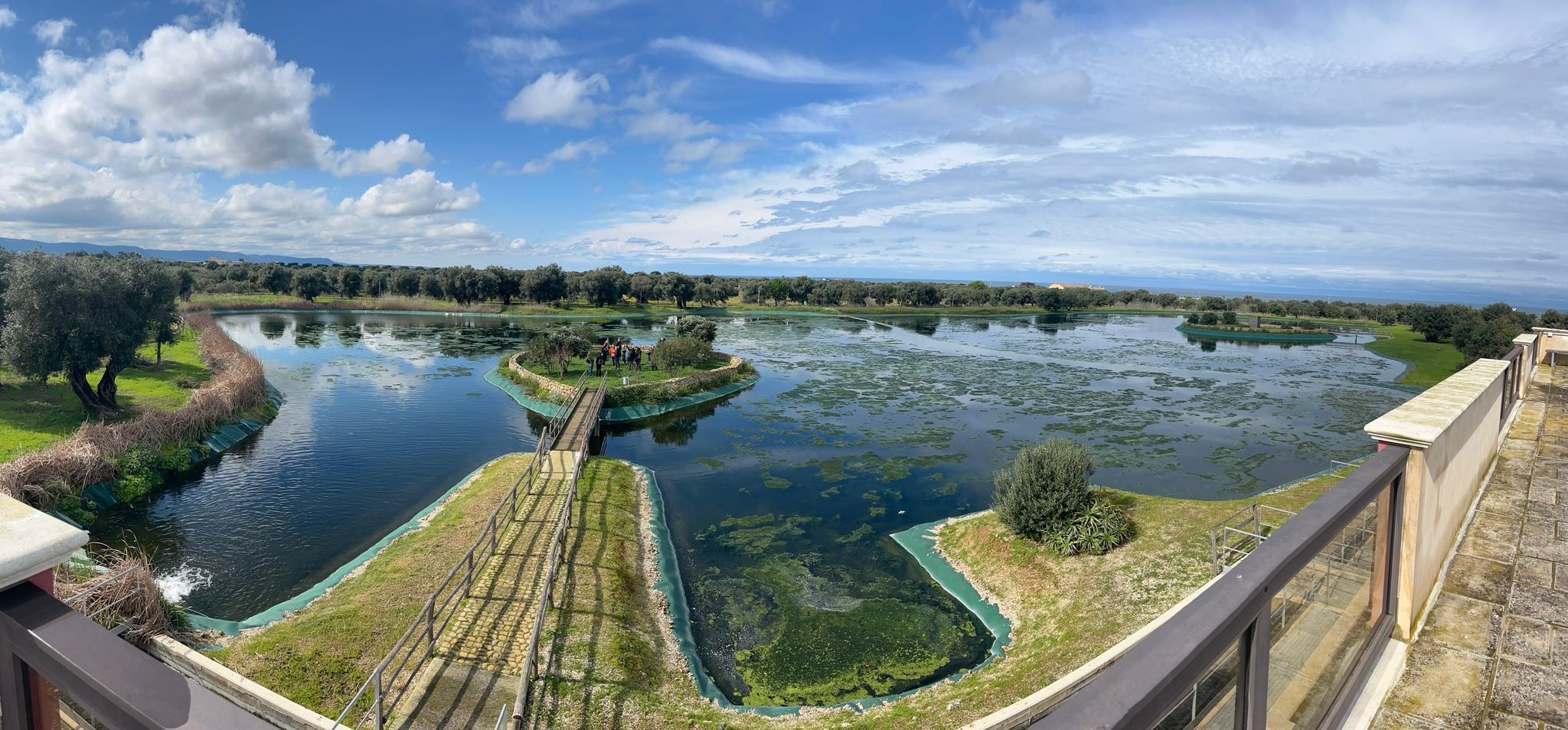
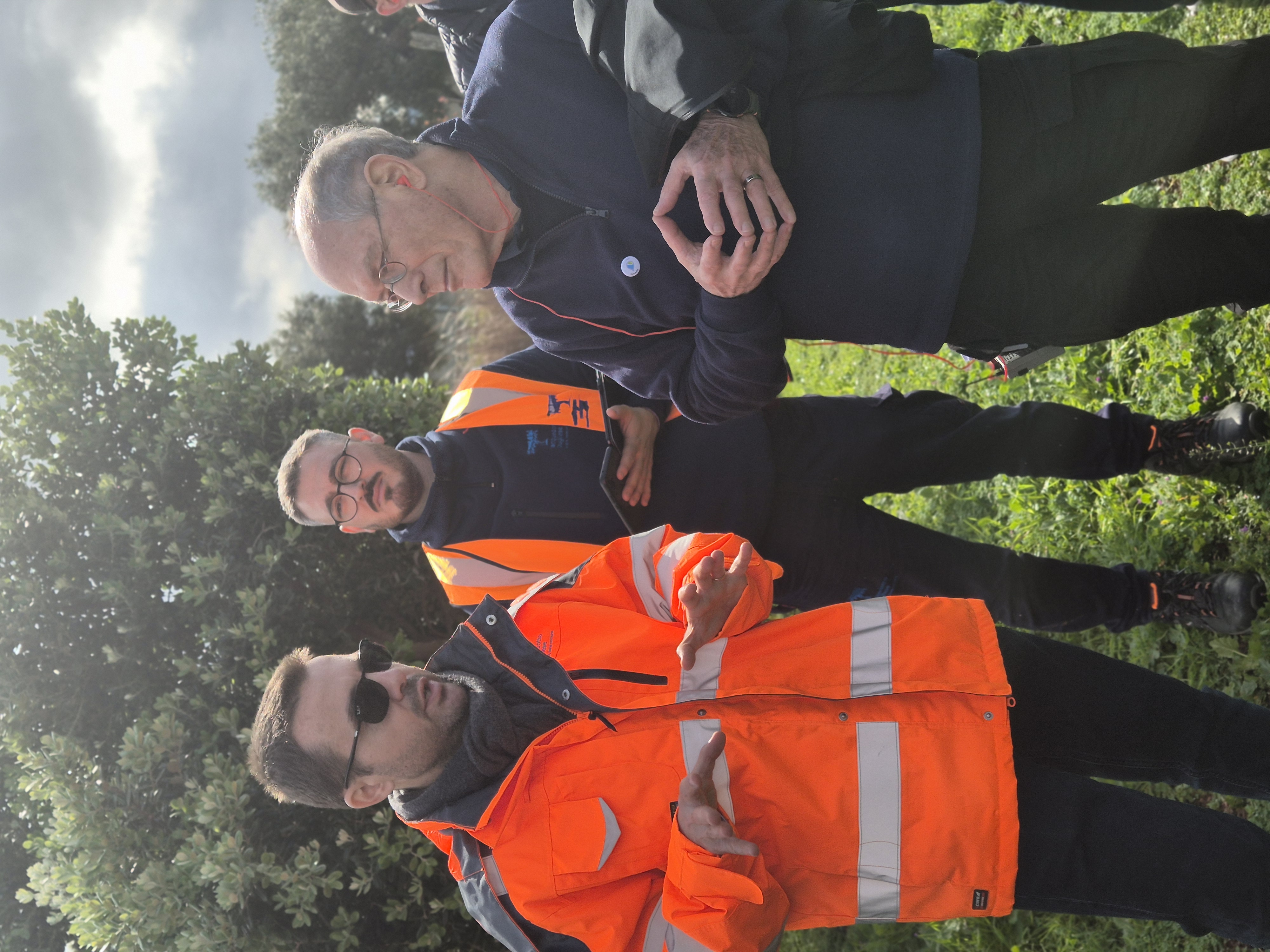
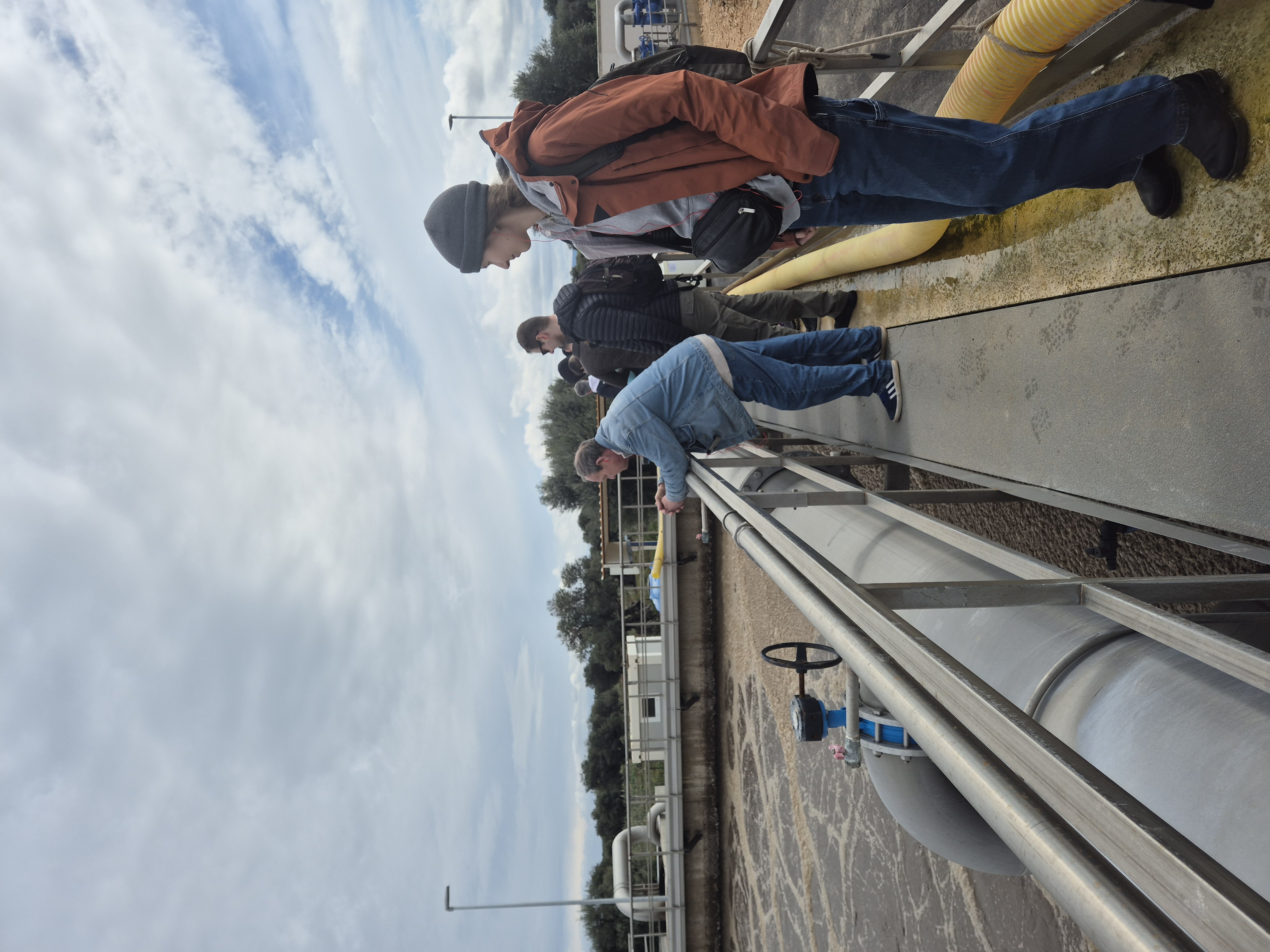
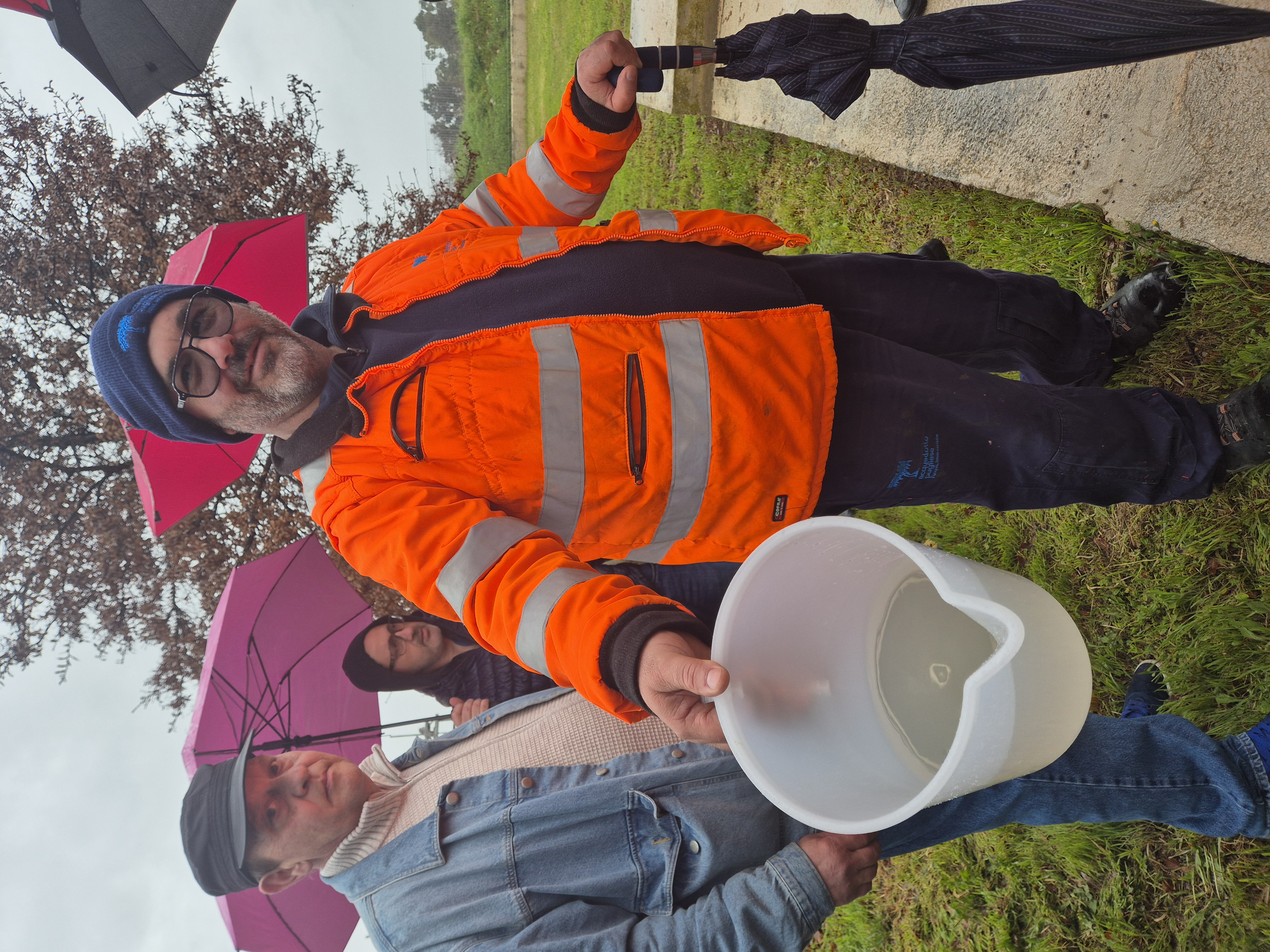
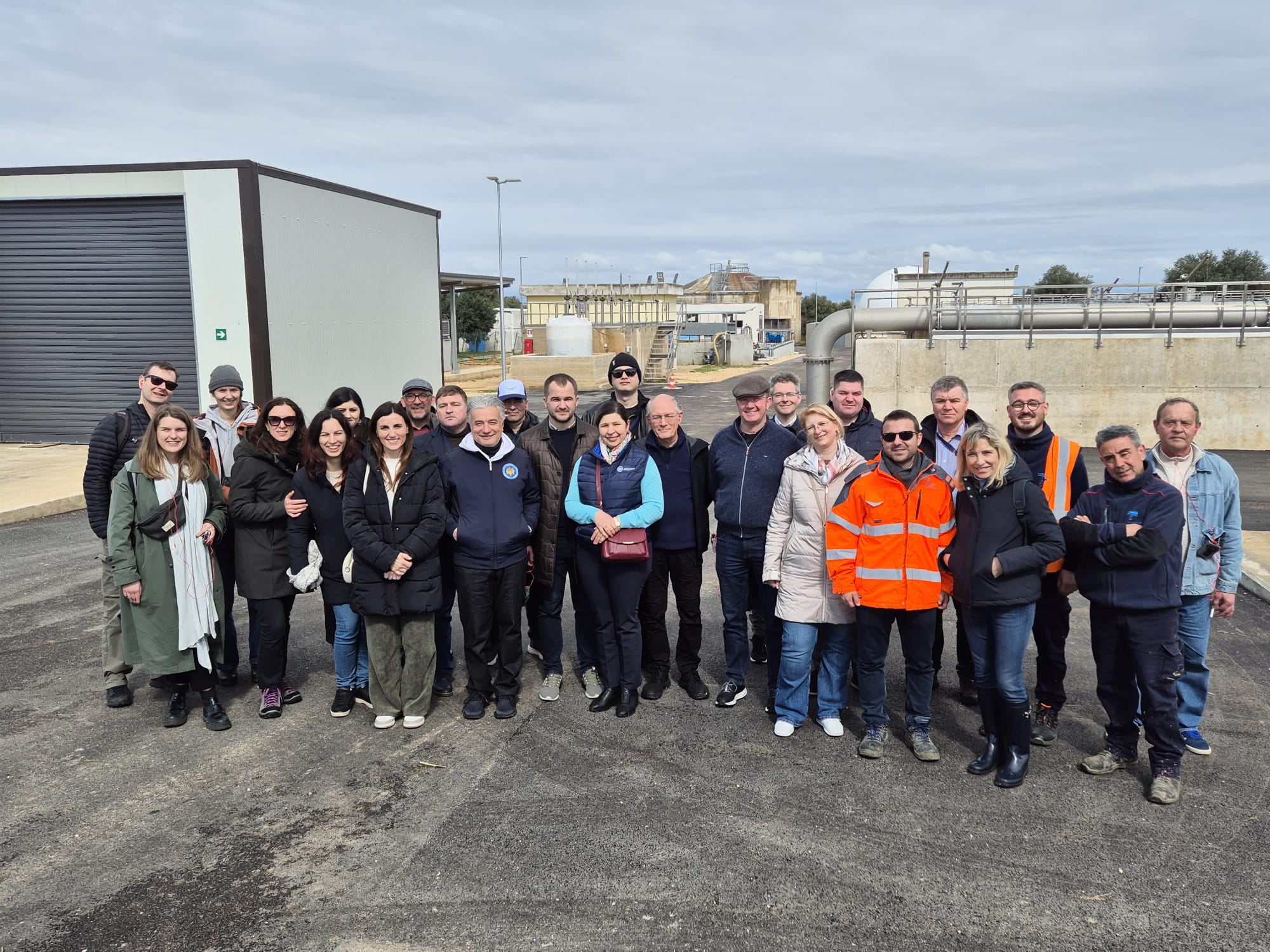
Field visits to the Acquaviva delle Fonti wastewater treatment plant and the Fasano-Forcatella Lake reclamation site provided a firsthand look at the operational chain and enabled open discussion with a local farmer who has been successfully irrigating crops with treated wastewater. Participants observed the reclaimed water systems from treatment and monitoring to storage, distribution to agricultural irrigation. Italian experts explained how coordination between utilities, regulators, and farmers ensures that these systems remain safe, financially viable, and central to a circular economy.
The visit served as more than a study tour; it established an interactive knowledge exchange platform between Moldovan and Italian stakeholders, demonstrating how regulatory frameworks, operational practices and institutional coordination function together to solve water challenges and opened doors for continued collaboration.
Aurelia Donos, Acting Head of the Integrated Water Resources Management Directorate, Ministry of Environment of Moldova, noted: ”Strengthening integrated water resources management requires exploring all sustainable water sources. The experience presented in Apulia provides valuable insights into how wastewater reuse can be regulated and managed safely within the EU framework, which is relevant for Moldova as we continue aligning our water policies with European standards.”
Domenico De Candia, Honorary Consulate of the Republic of Moldova in Bari, Italy said: “The themes discussed over the past few days - thanks to the support of AQP, operator of the largest water network in Europe - will form an important knowledge base for the future planning of treated water reuse in Moldova, whilst ensuring environmental protection. In this regard, I hope that this dialogue will continue in a collaborative manner, as such collaboration is essential for achieving optimal results.”
Viorel Gherciu, National Expert on Irrigation and Agriculture and former Minister of Agriculture of the Republic of Moldova, commented: “It was a real pleasure to visit the Apulia Region. Meeting professional colleagues was inspiring, highlighting the potential to promote and replicate good practices in treated wastewater reuse for agricultural irrigation in Moldova. Such experience can help our farmers overcome the impacts of climate change while protecting the environment through a responsible approach to natural resources.”
Study context and next steps: The “Two-Stage study on potential wastewater reuse in agriculture and effective water resource management prospects in line with Regulation (EU) 2020/741” is conducted in collaboration with the Ministry of Environment and the Ministry of Agriculture and Food Industry. It assesses existing wastewater treatment and irrigation infrastructure in three southern districts and develops scenarios for Căușeni, Cantemir and Cahul, including cost analysis and environmental and public health risk assessments. Findings will be presented to key stakeholders in the central government as well as in the pilot locations in the coming weeks.
EU Regulation 2020/741 on minimum requirements for water reuse: EU Regulation 2020/741, in force across EU Member States since June 2023, sets minimum requirements for water quality, monitoring, and risk management for the agricultural use of treated urban wastewater. It establishes a permitting framework for suppliers and assigns clear responsibilities across the treatment, distribution, and end-use chain.
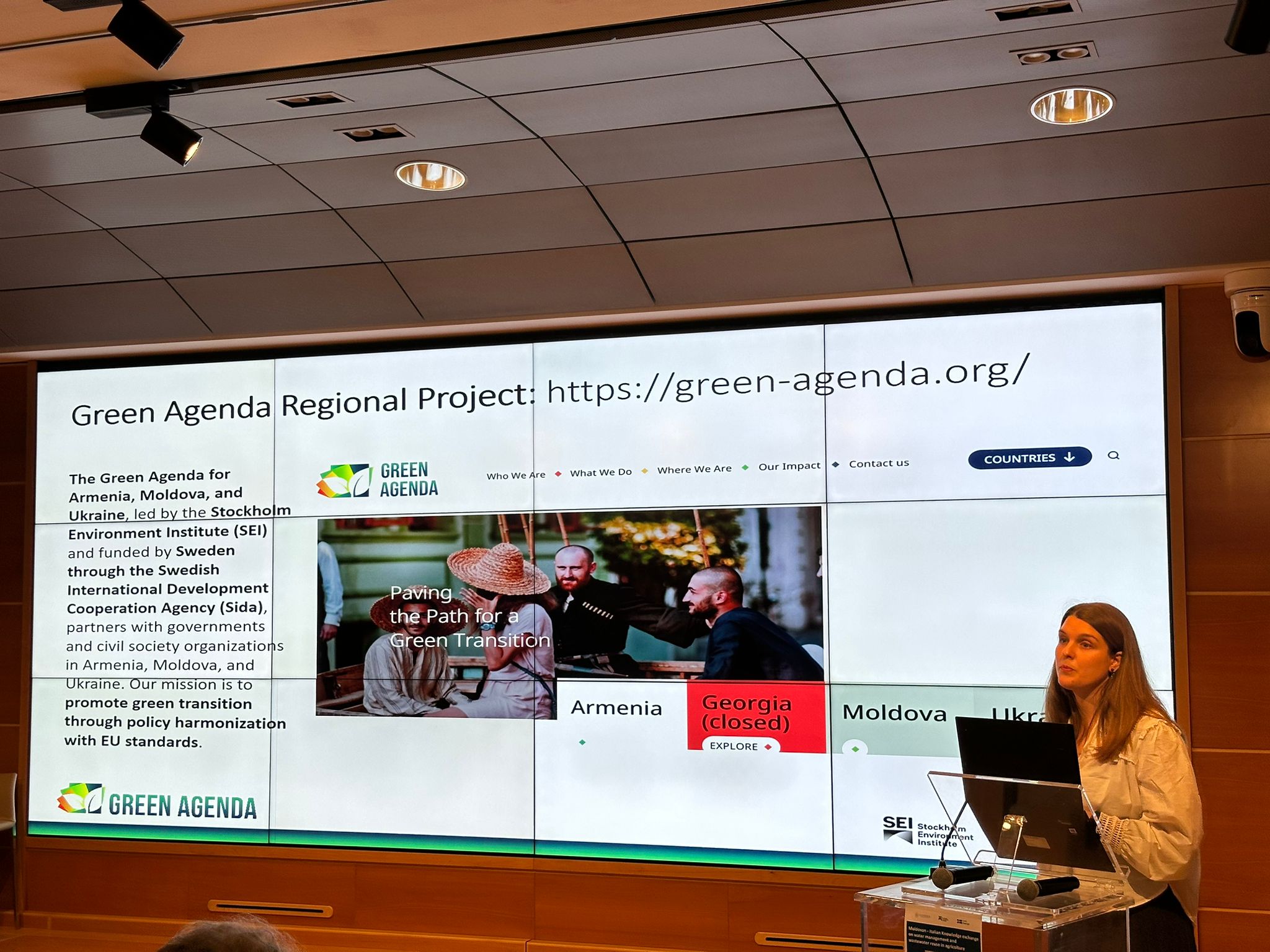
About the Green Agenda project: The Green Agenda for Armenia, Moldova, and Ukraine project led by the Stockholm Environment Institute (SEI), is funded by the Swedish International Development Cooperation Agency (Sida). The project supports these countries in advancing green transition policies and EU alignment.