Republic of Moldova and Stockholm Environment Institute sign agreement to enhance energy planning for energy security and EU alignment
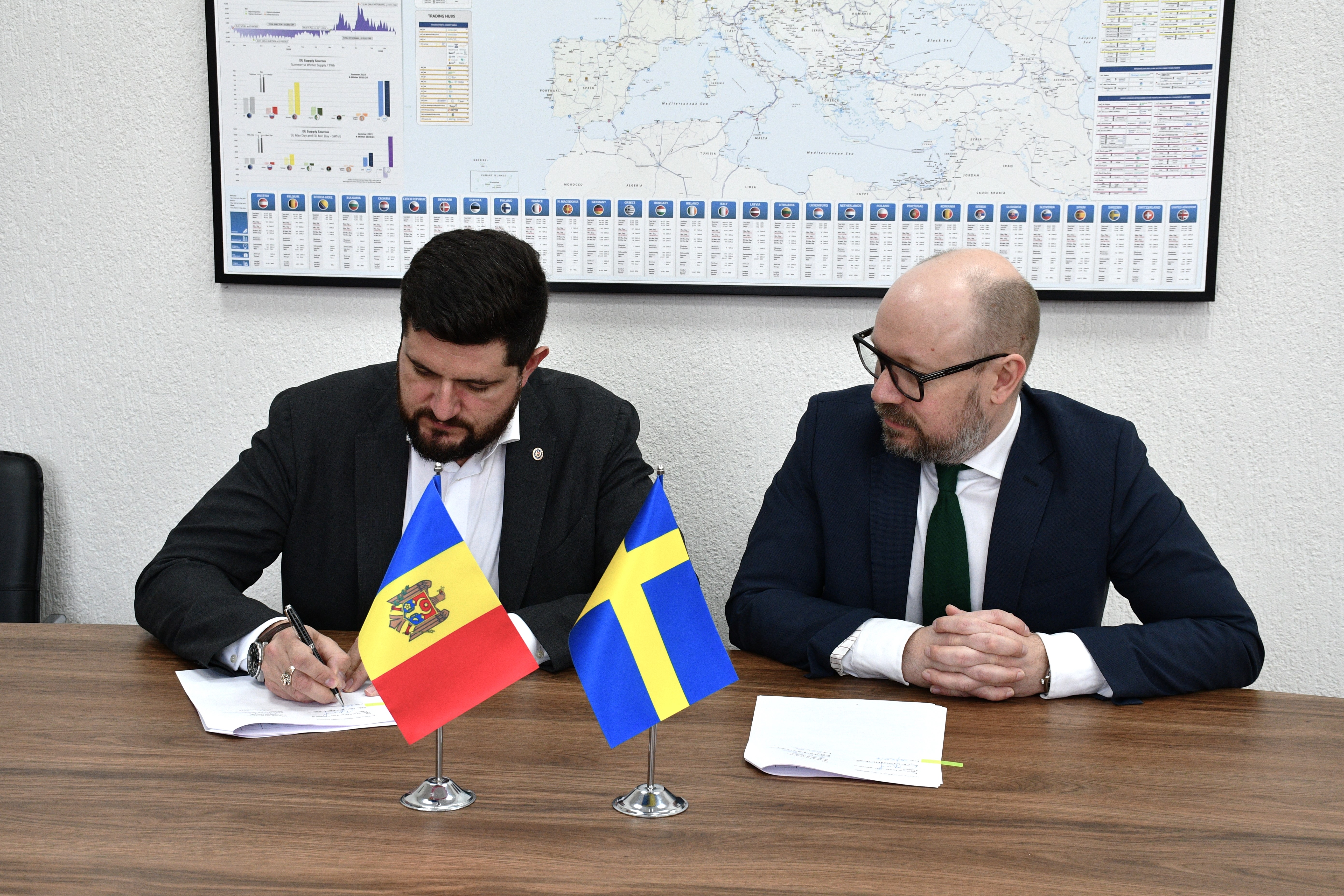
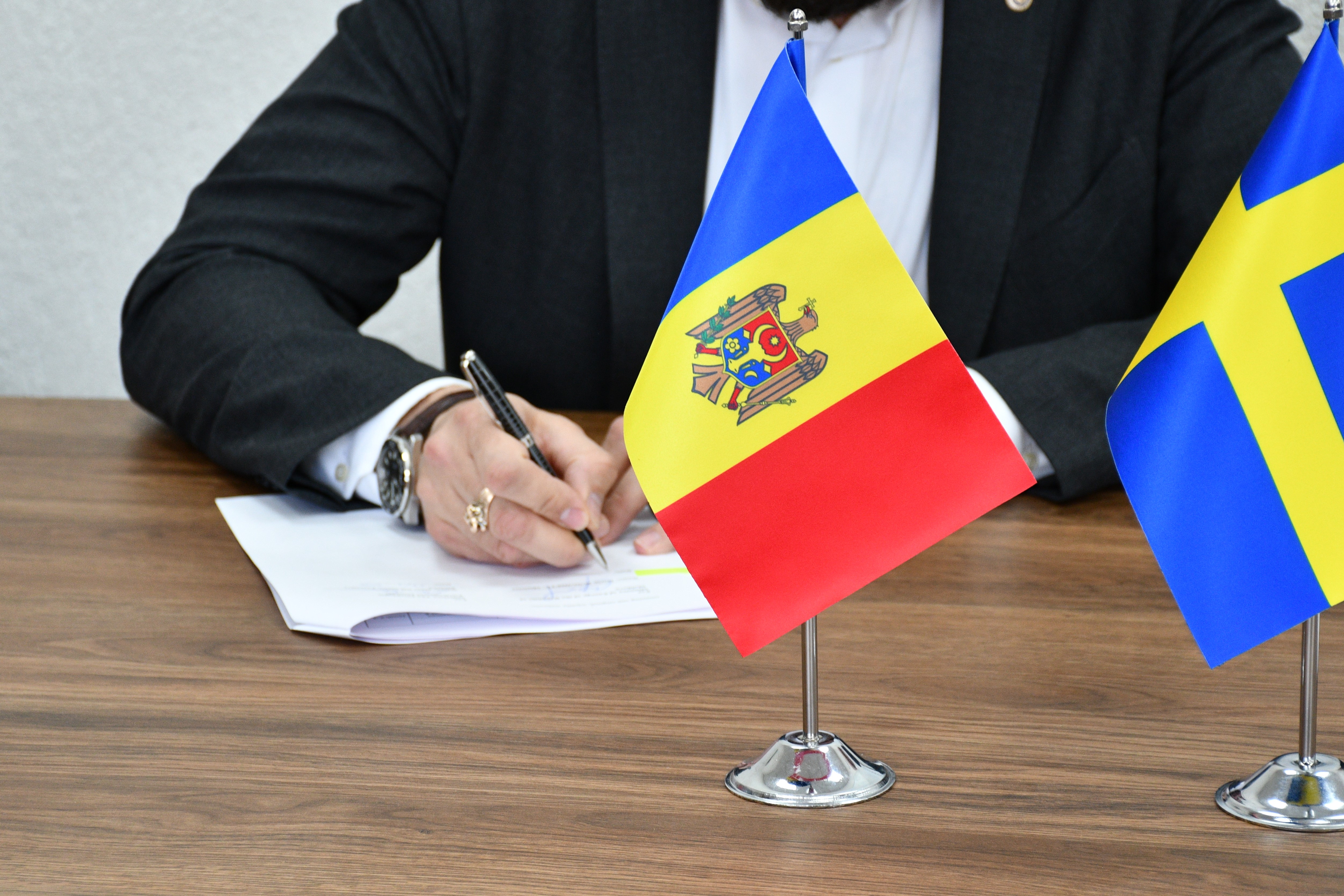
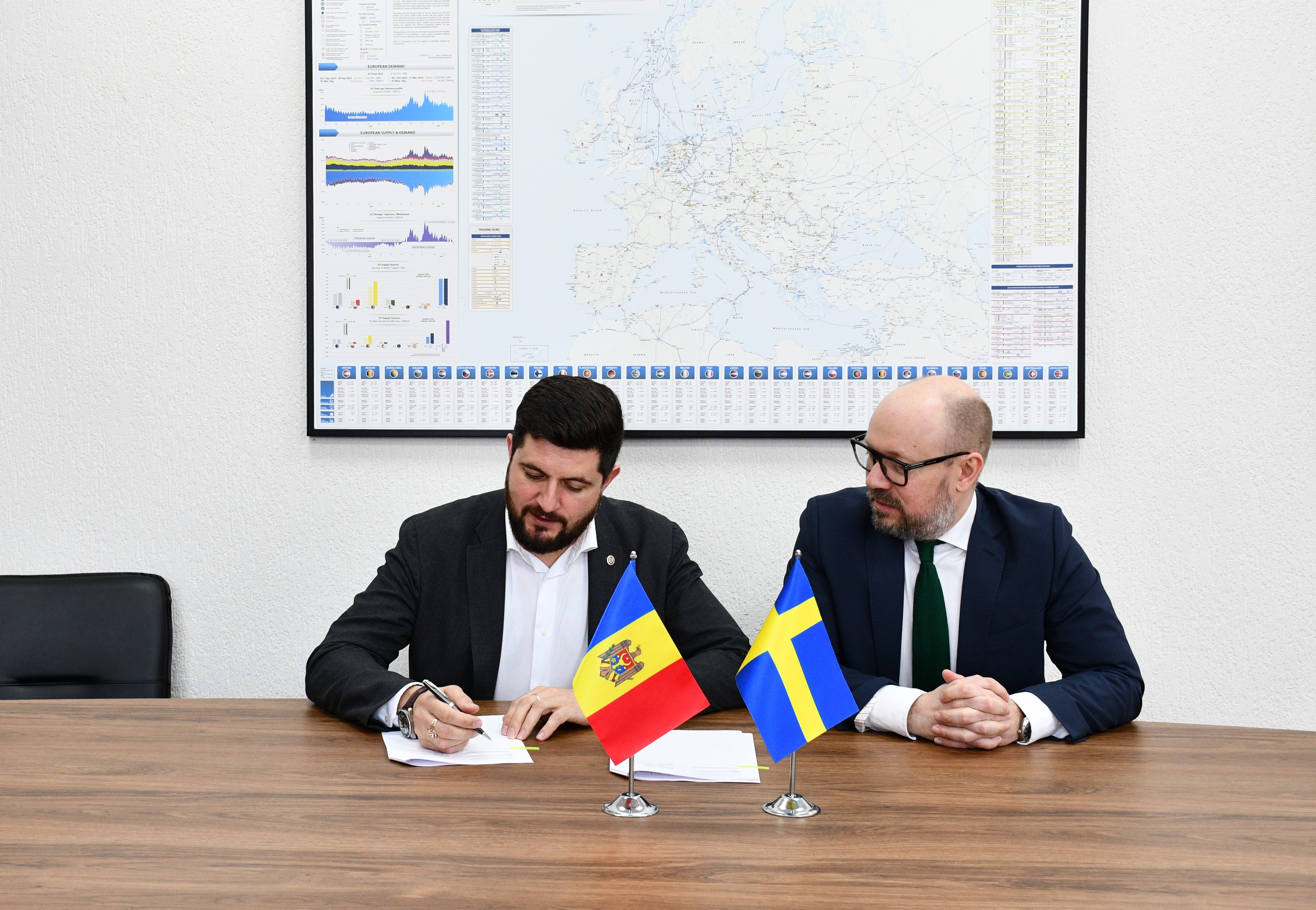
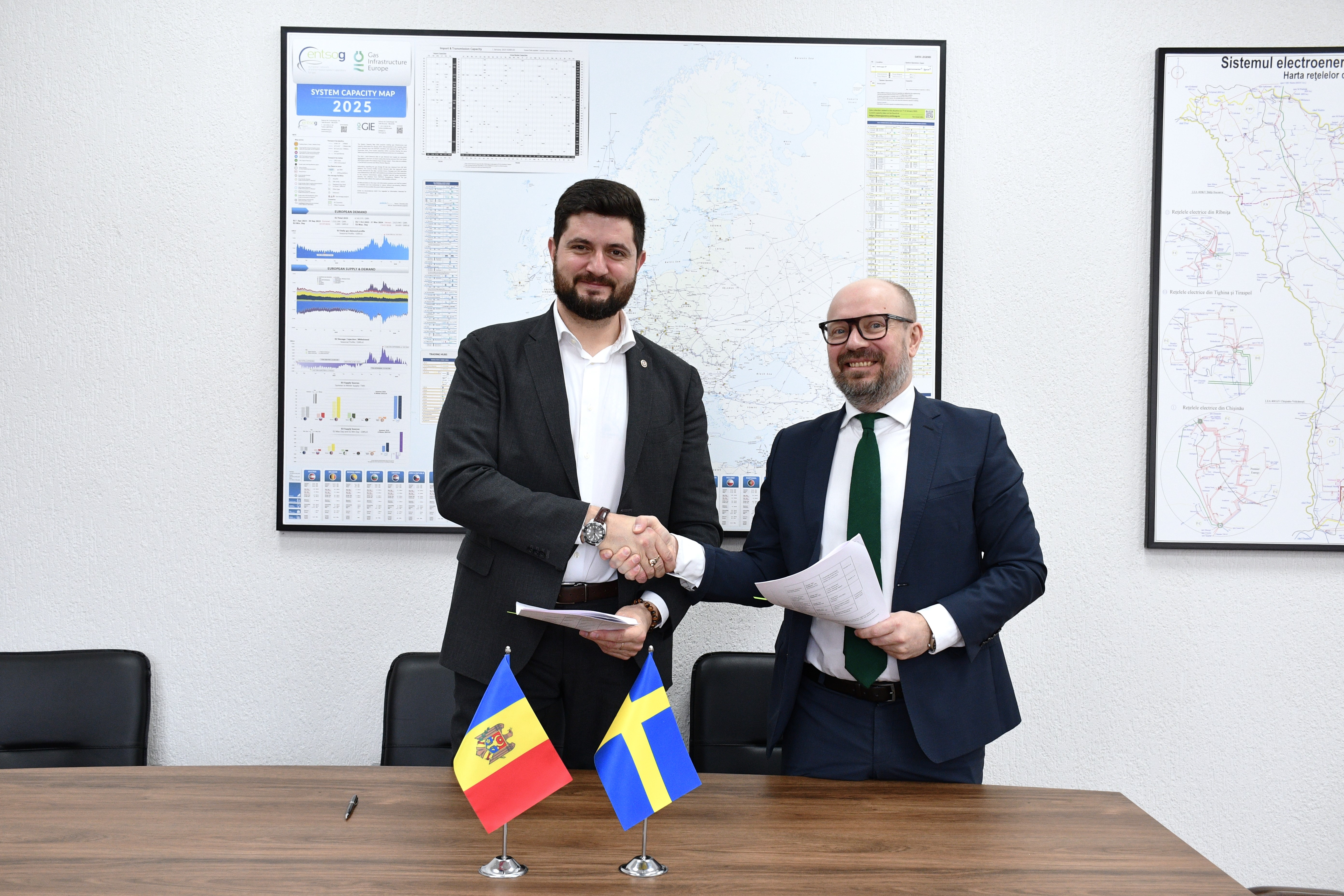
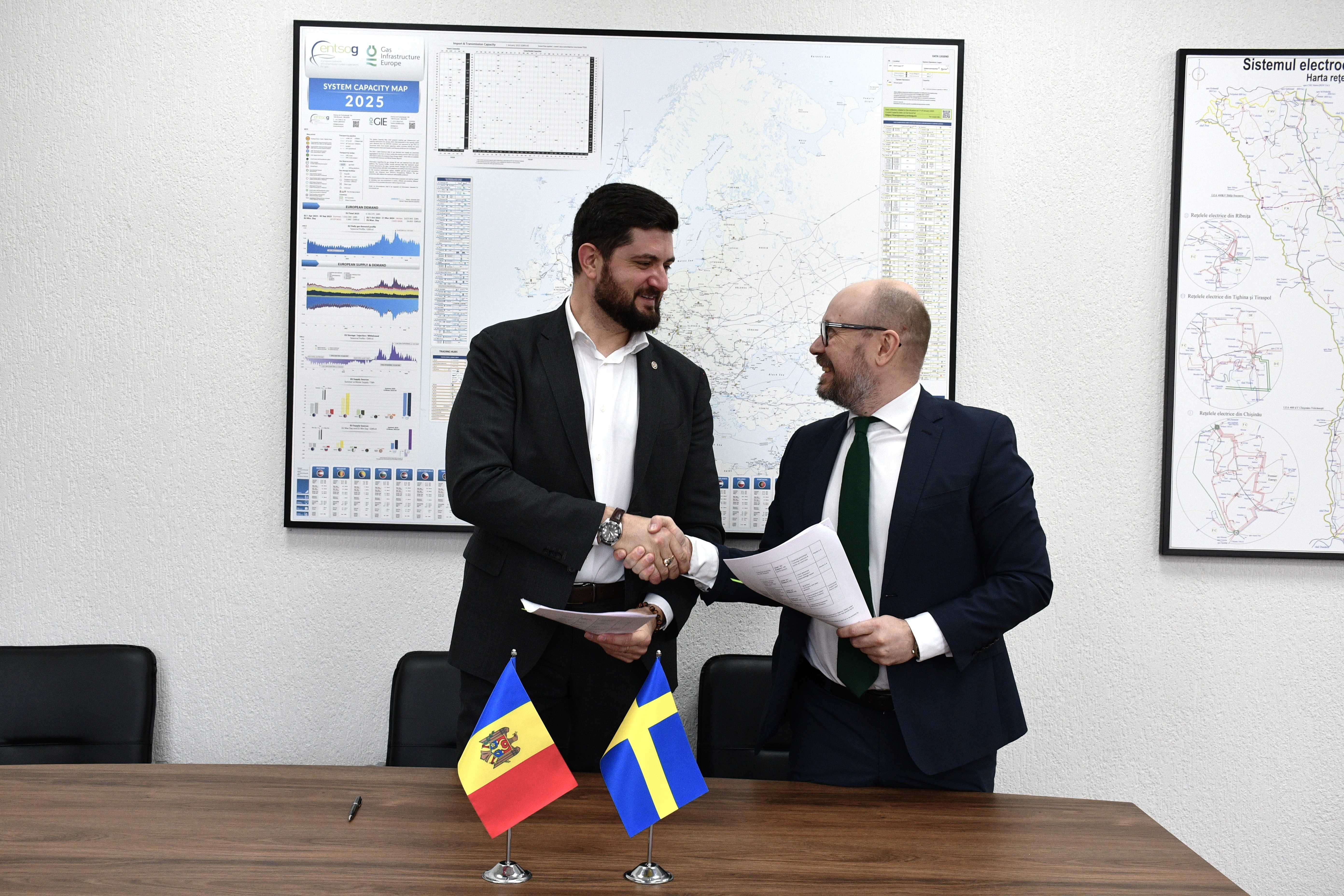
Today, the Stockholm Environment Institute (SEI) and the Ministry of Energy of the Republic of Moldova signed a Memorandum of Understanding (MoU) to strengthen cooperation in energy planning, advanced system modelling, and security of supply analysis. Through this collaboration, Moldova will receive support in planning for a secure and sustainable energy future, reducing the risks of power shortages or energy crises.
The agreement was signed by Dorin Junghietu, Minister of Energy of the Republic of Moldova, and Måns Nilsson, Executive Director of the SEI. This partnership takes place within the framework of the SEI Green Agenda project, which is funded by the Swedish International Development Cooperation Agency (Sida).
As part of the cooperation, a new Electricity Resource Adequacy Assessment will be developed to reflect recent changes in Moldova’s energy sector. The study will assess Moldova’s ability to meet electricity demand through 2035, even during extreme conditions such as peak winter demand, supply disruptions or low generation periods. Based on the findings, recommendations will be made for investments and capacity mechanisms. All results and models will be co-created in cooperation and shared with Moldovan partners, supporting Moldova’s compliance with EU Electricity Regulation (EU 2019/943).
Dorin Junghietu, Minister of Energy, Republic of Moldova, emphasized: “Moldova currently meets only part of its energy demand through domestic generation, particularly during peak hours. This study will provide practical investment recommendations to strengthen the reliability of the energy system and enable the integration of a higher share of renewable energy into the grid. In the context of the ongoing state of emergency in the energy sector, the study is particularly relevant.”
SEI will also introduce its Climate Neutrality Tool to the Ministry of Energy for use in long-term energy and climate planning. This tool will be customized with input from ministry experts, enabling detailed assessments of both climate and economic impacts - such as effects on GDP and employments - of potential policy measures. This will help identify the most cost-effective solutions for Moldova. SEI will provide both introductory and advanced training, ongoing technical support, and regular updates throughout the duration of Green Agenda project. The tool will support scenario analysis and comparison of different pathways, assist in shaping national strategic documents, and inform investment decisions.
Måns Nilsson, Executive Director of SEI, commented: “This partnership represents a significant step forward for Moldova’s green transition and long-term energy transition. In today’s rapidly changing geopolitical landscape, strengthening capacities for strategic and evidence-based planning is more critical than ever to ensure resilience, sustainability, and energy security. At SEI, we are proud to assist Moldova in strengthening its institutional and analytical foundations for energy policy. We support the government’s efforts to achieve secure, clean, and future-oriented energy systems.”
Lauri Tammiste, Director of SEI Tallinn, further highlighted: "SEI has been developing and applying energy system models for over three decades, and we are happy to bring to this partnership proven, hands-on tools: a resource adequacy model that stress-tests the power system under extreme conditions, and a climate neutrality tool that lets policymakers to weigh the economic trade-offs of different decarbonisation pathways and choose the most cost-effective policy actions. For us, it is also crucial that this will be a joint process, in which we build the tools together with Ministry experts, train their teams, and ensure that Moldova has full ownership of the models and results long after our project ends”.
Beyond the current scope, the MoU establishes a framework for continued cooperation in energy planning, modelling, and capacity development.
About the SEI Green Agenda project
The Green Agenda for Armenia, Moldova, and Ukraine project led by the Stockholm Environment Institute (SEI), is funded by the Swedish International Development Cooperation Agency (Sida). The project supports these countries in advancing green transition policies and EU alignment. More information: green-agenda.org/en/moldova