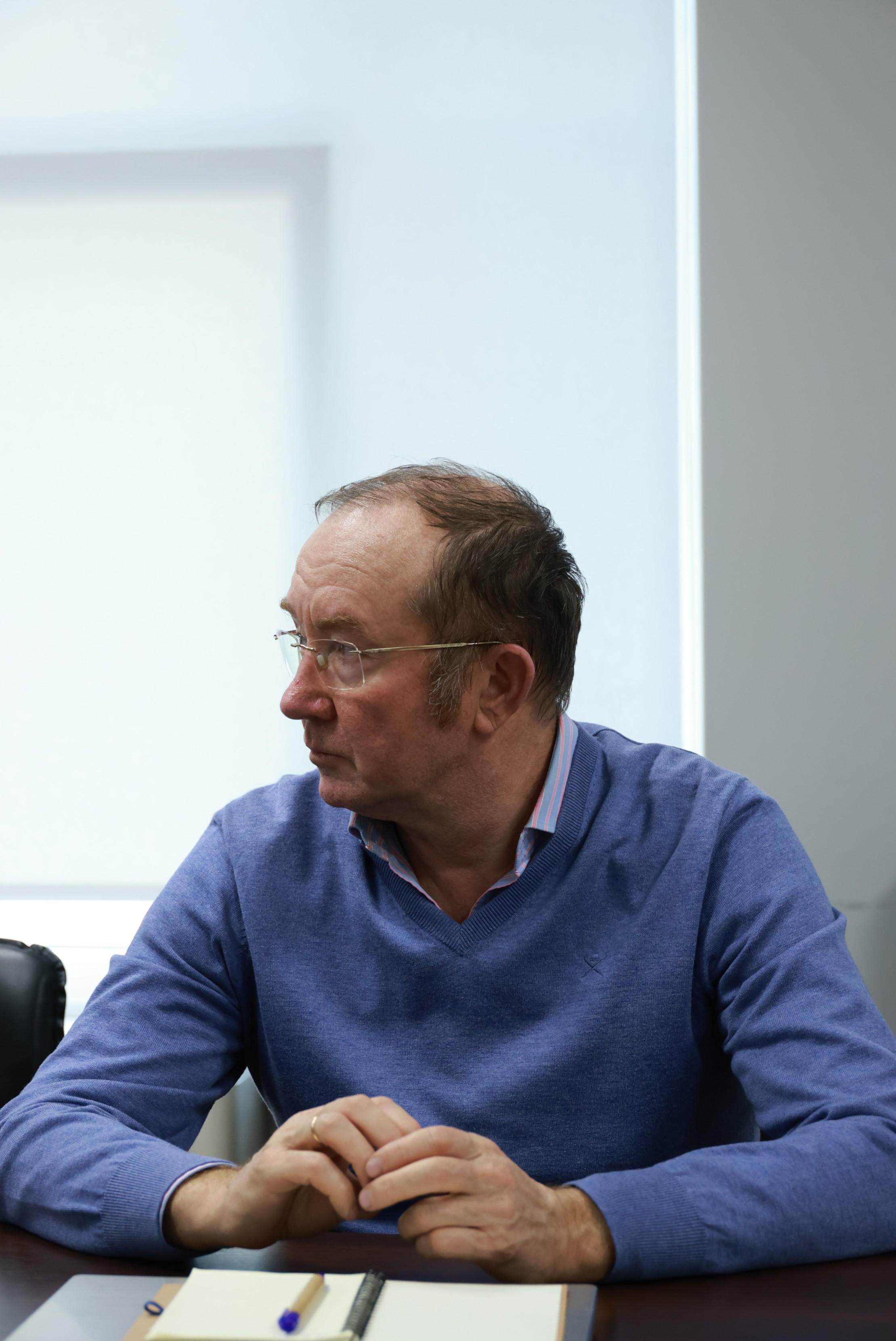
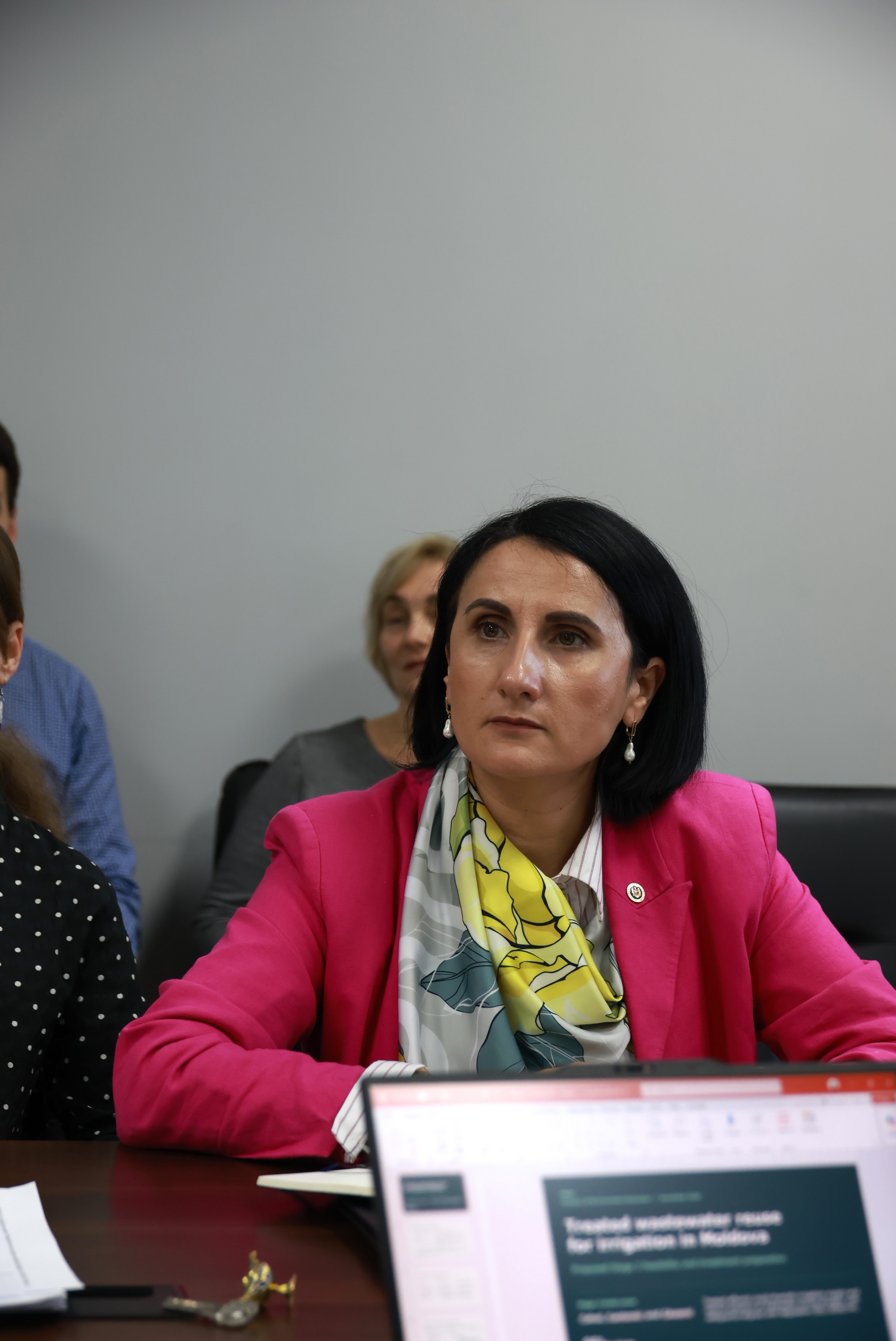
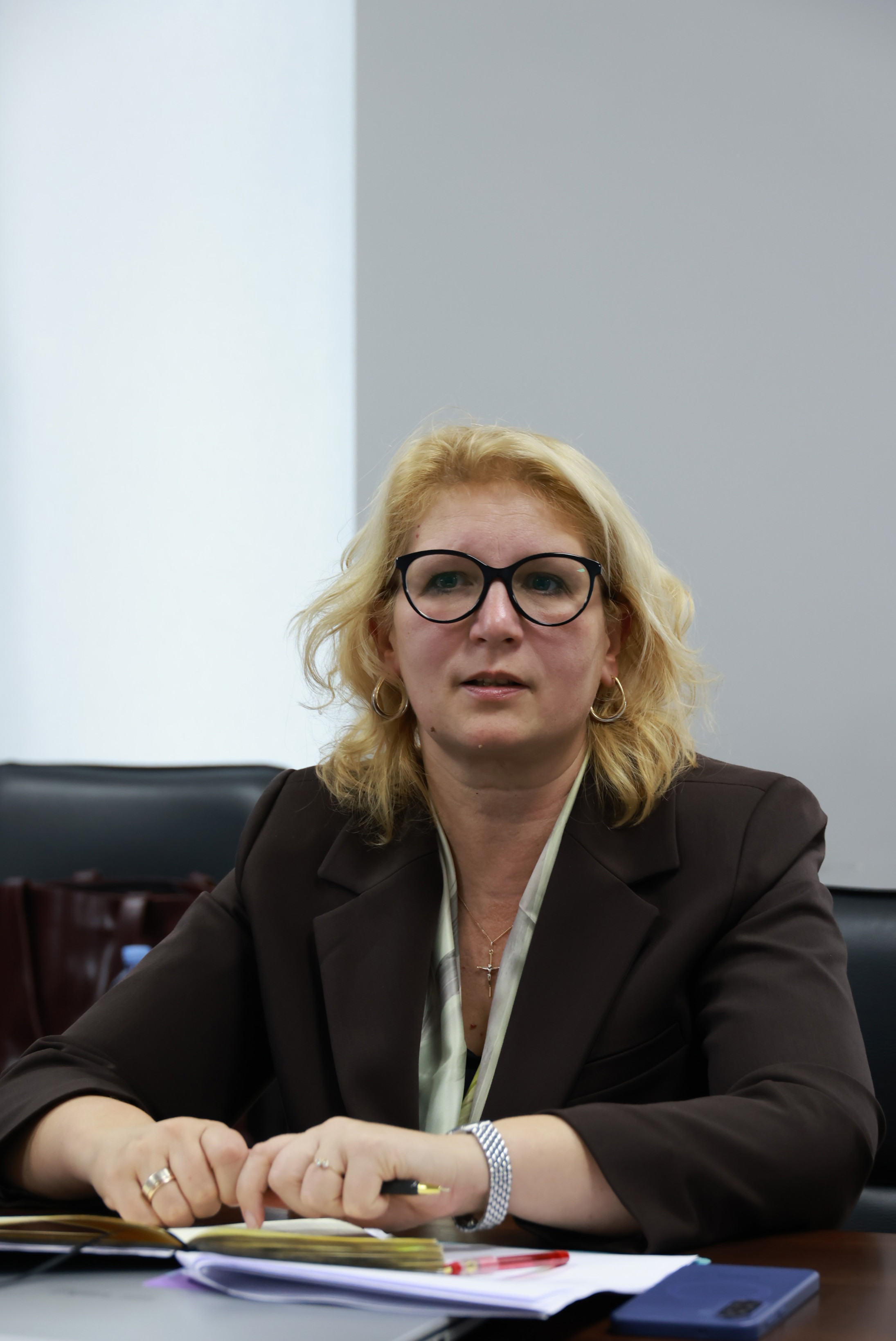
Moldova explores next steps towards safe wastewater reuse
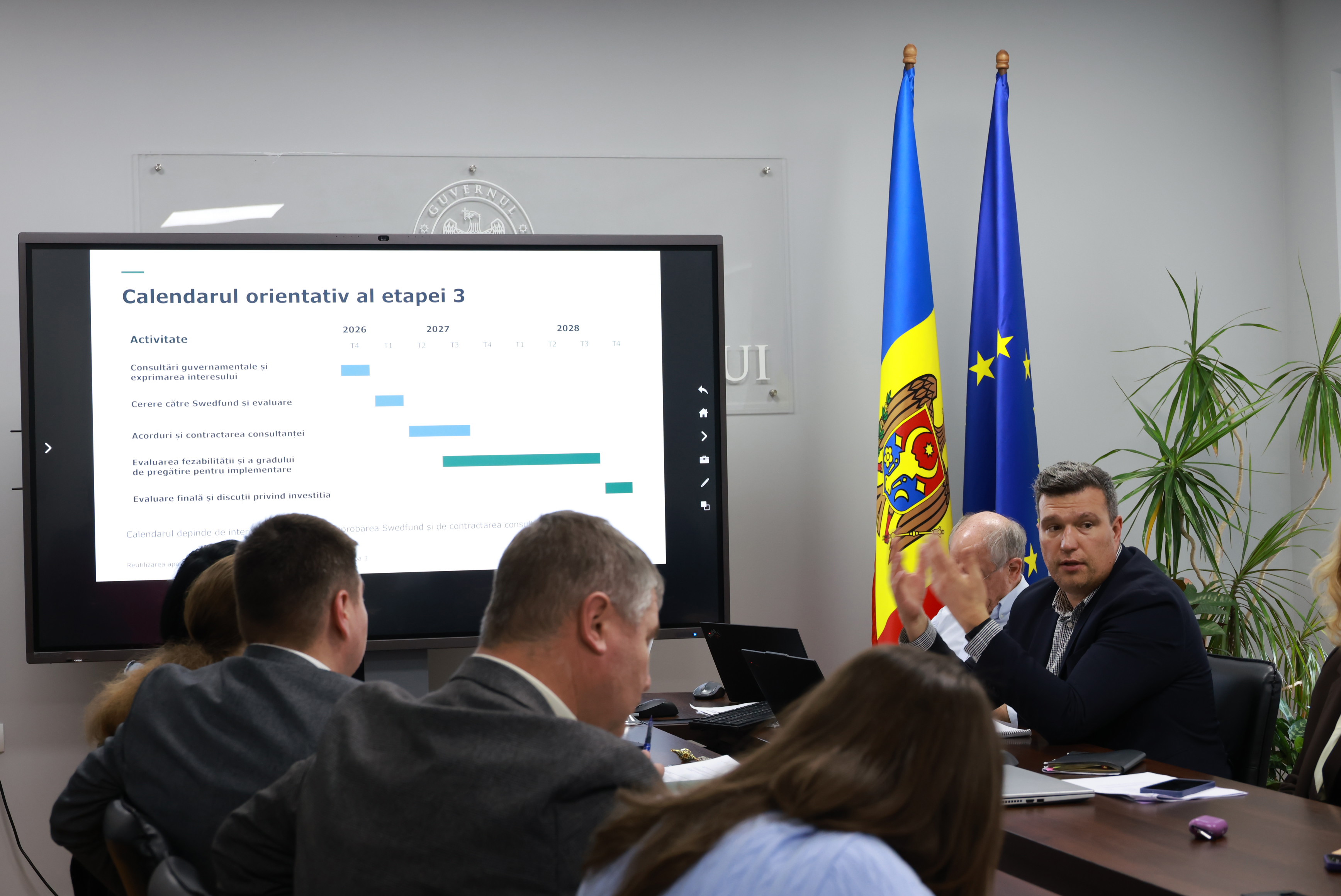
An assessment by the Stockholm Environment Institute (SEI) has identified opportunities in Cahul, Cantemir and Căușeni. The next question is whether a reuse system could reliably deliver water that meets safety requirements at a price farmers can afford.
Last week, Moldova’s Ministry of Environment hosted a meeting with SEI and Moldovan authorities to discuss the findings and a proposed third stage of work: a detailed feasibility study to help the government decide whether and where to invest. SEI carried out the assessment with national experts under the Green Agenda for Armenia, Moldova and Ukraine project, funded by the Swedish International Development Cooperation Agency (Sida).
The Stage 2 assessment examined water availability, irrigation demand, technical options, costs and benefits, and risks to health and the environment. The scenarios suggest that using treated wastewater could expand irrigation and improve crop yields during dry periods. They do not yet establish whether an individual project would be viable.
“The reuse of treated wastewater represents a real opportunity not only for supporting agriculture through irrigation, but also as an essential measure to adapt to the effects of climate change,” said Victoria Gratii, State Secretary at the Ministry of Environment.
What would make reuse viable for farmers?
A feasibility study would test whether enough treated water is available when farmers need it, whether its quality is suitable for irrigation and what it would cost to deliver it to fields. The study would also clarify who would own and operate the infrastructure, monitor water quality and pay for maintenance over the system’s lifetime.
Interest extends beyond the three areas assessed so far. The local councils of Mileștii Mici and Costești, two communities in central Moldova with limited access to water, have expressed interest in being considered as pilot areas. Pilot sites have not yet been selected.
From assessment to an investment decision
“Interest from communities facing water shortages is giving this work momentum. Reusing treated wastewater for irrigation is a practical example of a circular approach to water use: water that would otherwise be discharged could help farmers adapt to drought,” said Bernardas Padegimas, Senior Project Manager at the Stockholm Environment Institute (SEI).
The next step is for the government to decide whether to proceed with a feasibility study and, if so, to name a public institution to lead it. Financing institutions have expressed preliminary interest in the study, and in projects that might follow, but no funding has been agreed for either stage.
The discussion comes as Moldova works to align its regulatory framework with the EU Water Reuse Regulation. The European Commission’s 2026 Moldova Report notes progress and calls for further work on implementation and engagement with agricultural stakeholders. For a future reuse scheme, that means involving farmers in decisions about water delivery and tariffs, alongside establishing clear responsibilities for safety.
SEI is planning a regional wastewater reuse forum in Chișinău to bring together participants from Moldova, Armenia and Ukraine and international partners. The aim is to share practical experience and discuss how to prepare reuse projects for feasibility studies and investment.