Supporting Armenia’s climate neutrality ambition: SEI Climate Neutrality Tool introduced to national experts

Armenia’s efforts to restore degraded forests, protect Lake Sevan and clean rivers are closely connected to broader climate-policy decisions. Choices about energy, transport, land use and investment shape not only emissions, but also ecosystem health, air and water quality, economic resilience and people’s wellbeing. As these priorities become more interconnected, decision-makers need practical tools to assess which policies can deliver the greatest benefits for the climate, the economy and the environment.
To support this need for evidence-based decision-making, the Stockholm Environment Institute (SEI) through its headquarters and Tallinn Office and as part of the Sida-funded Green Agenda project, introduced the SEI Climate Neutrality Tool to key Armenian stakeholders. The tool helps governments and experts assess how different policy choices can support the transition to net-zero greenhouse gas emissions, while also showing what these choices could mean for jobs, investment needs, energy security, GDP and household-level impacts.
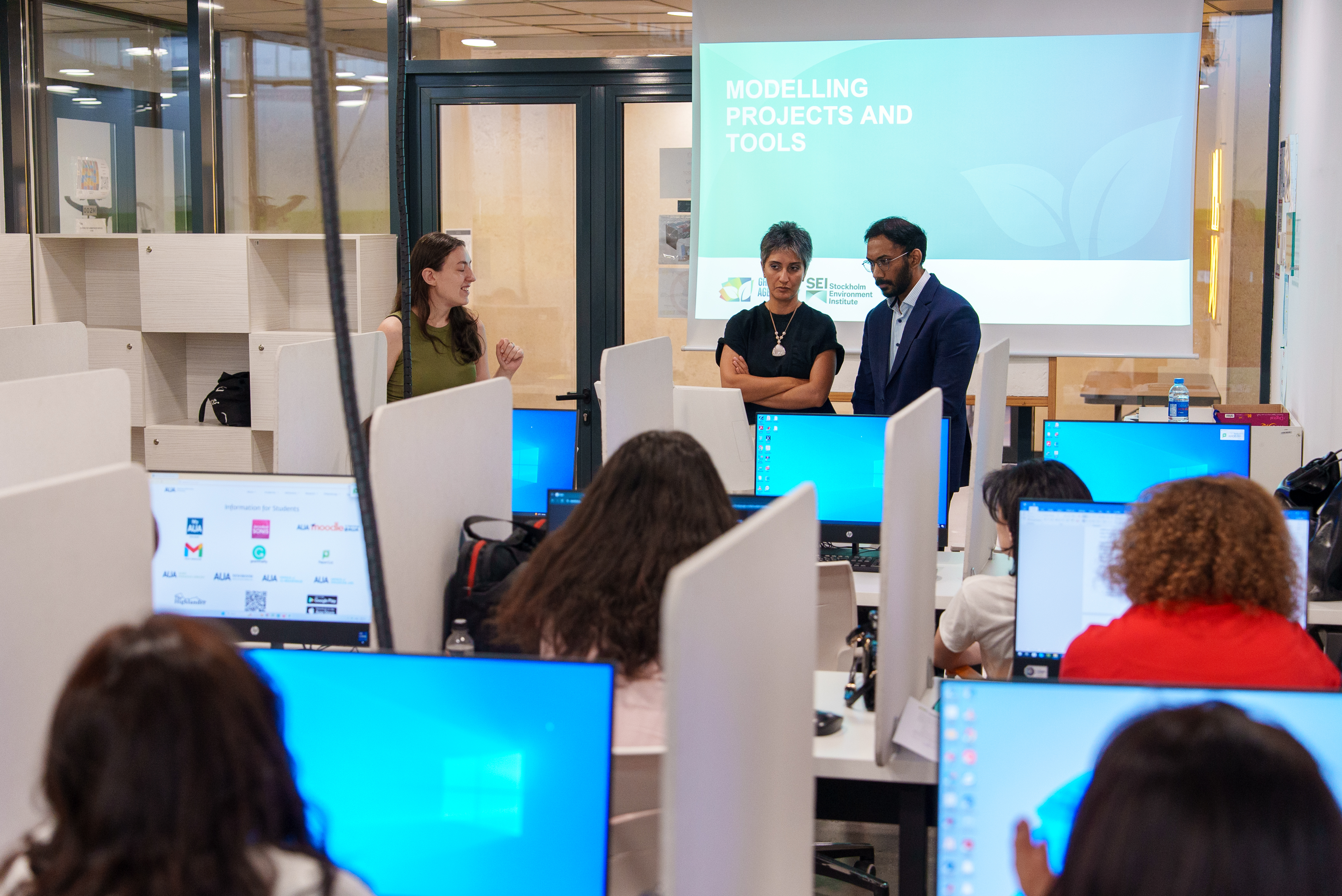
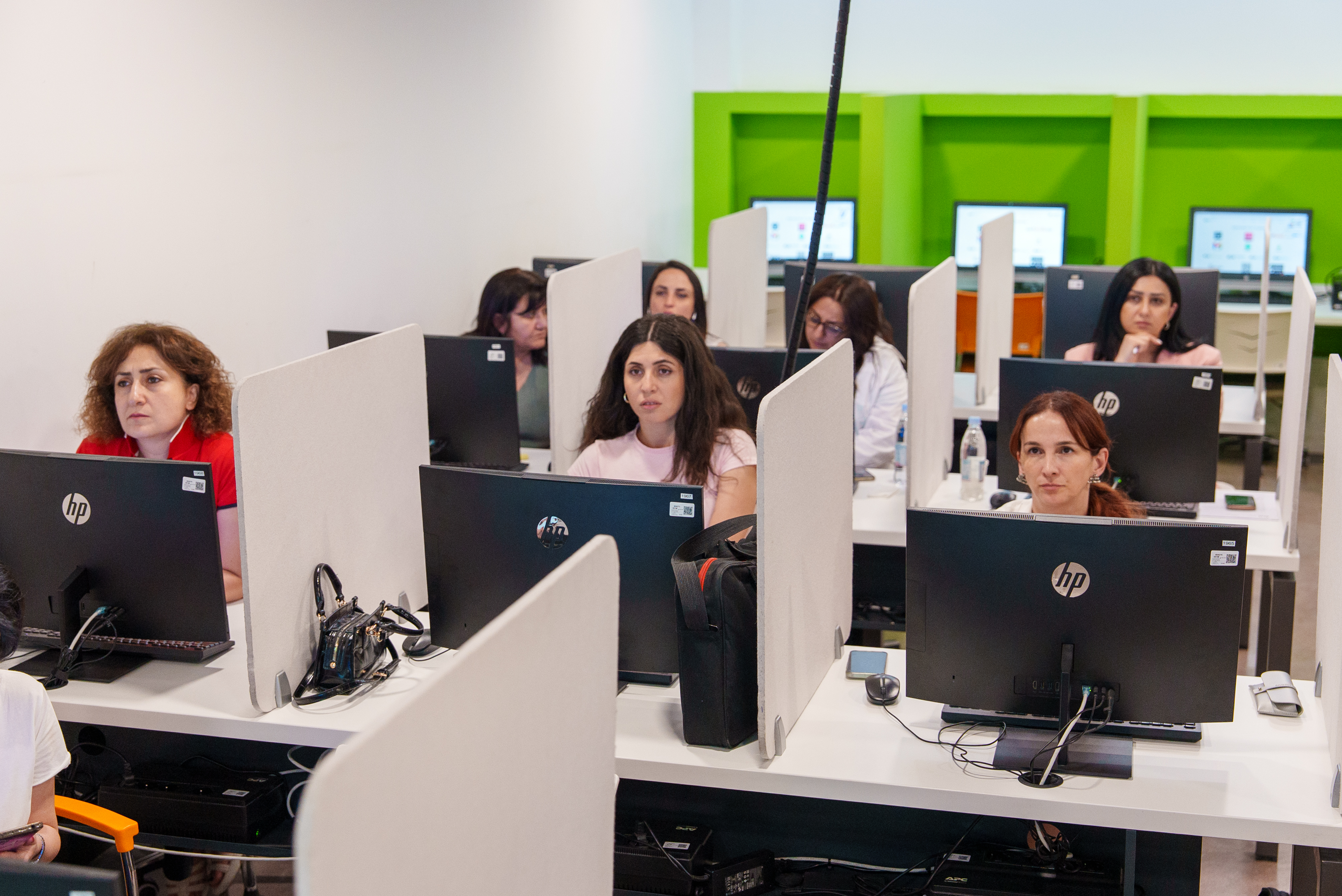
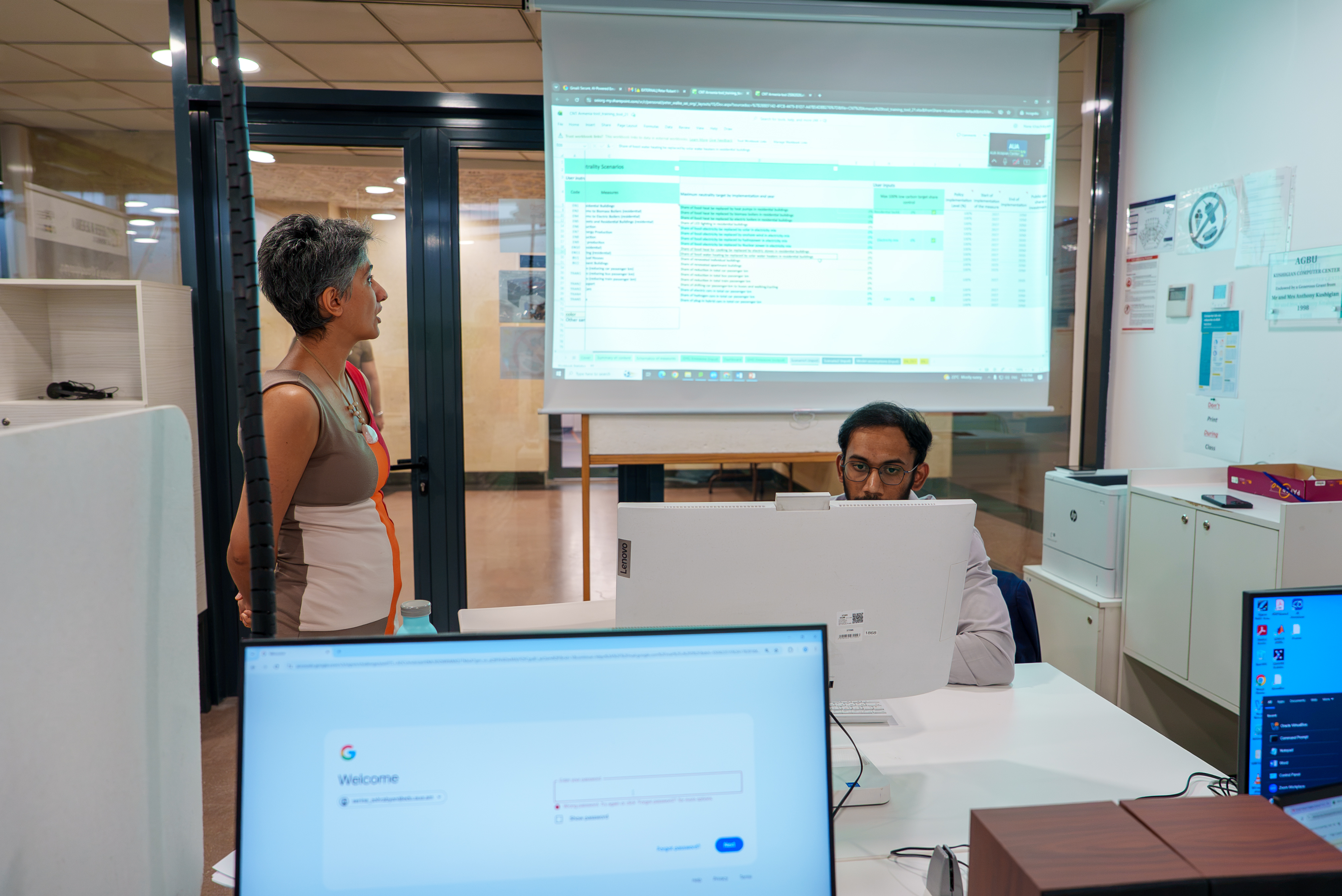
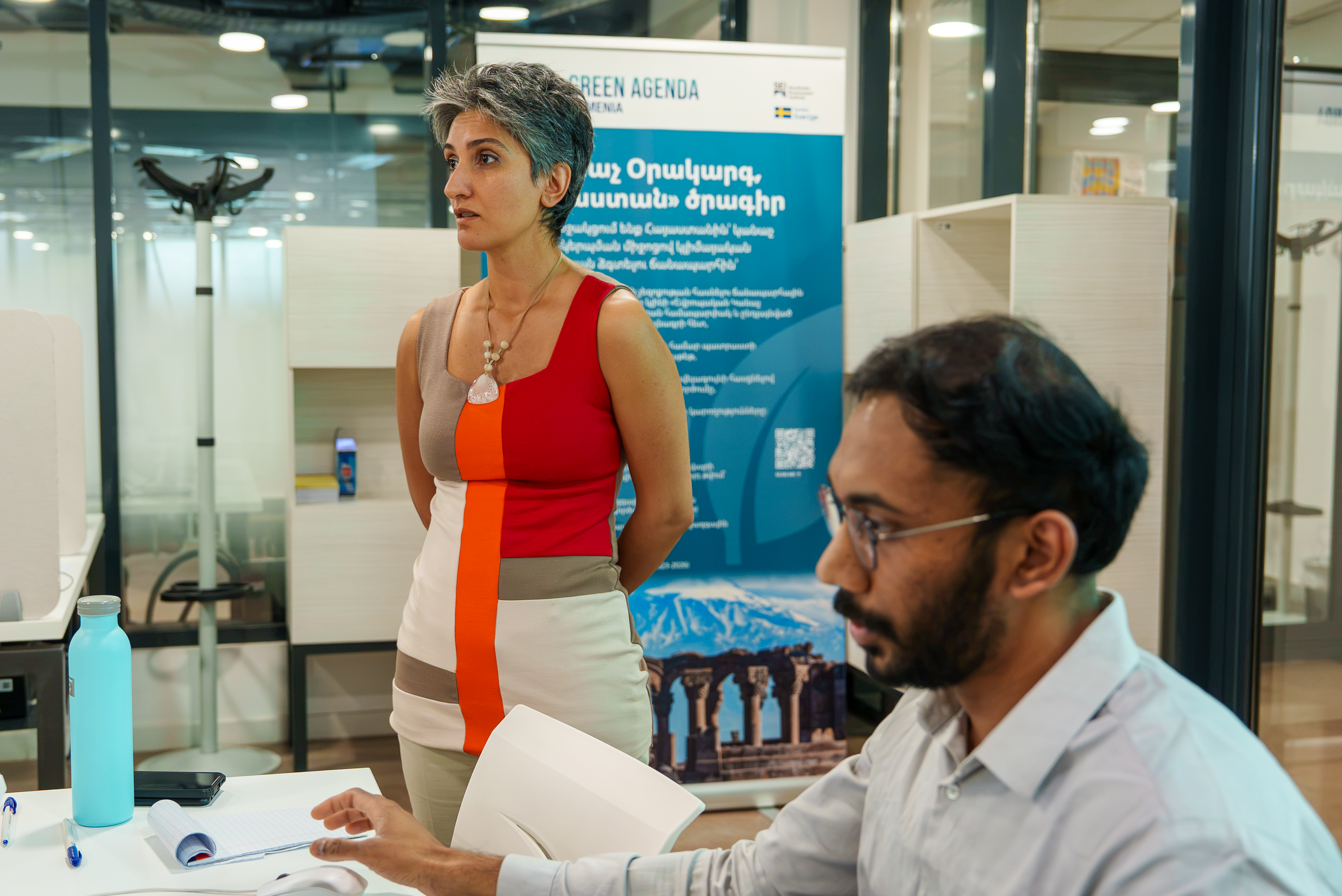
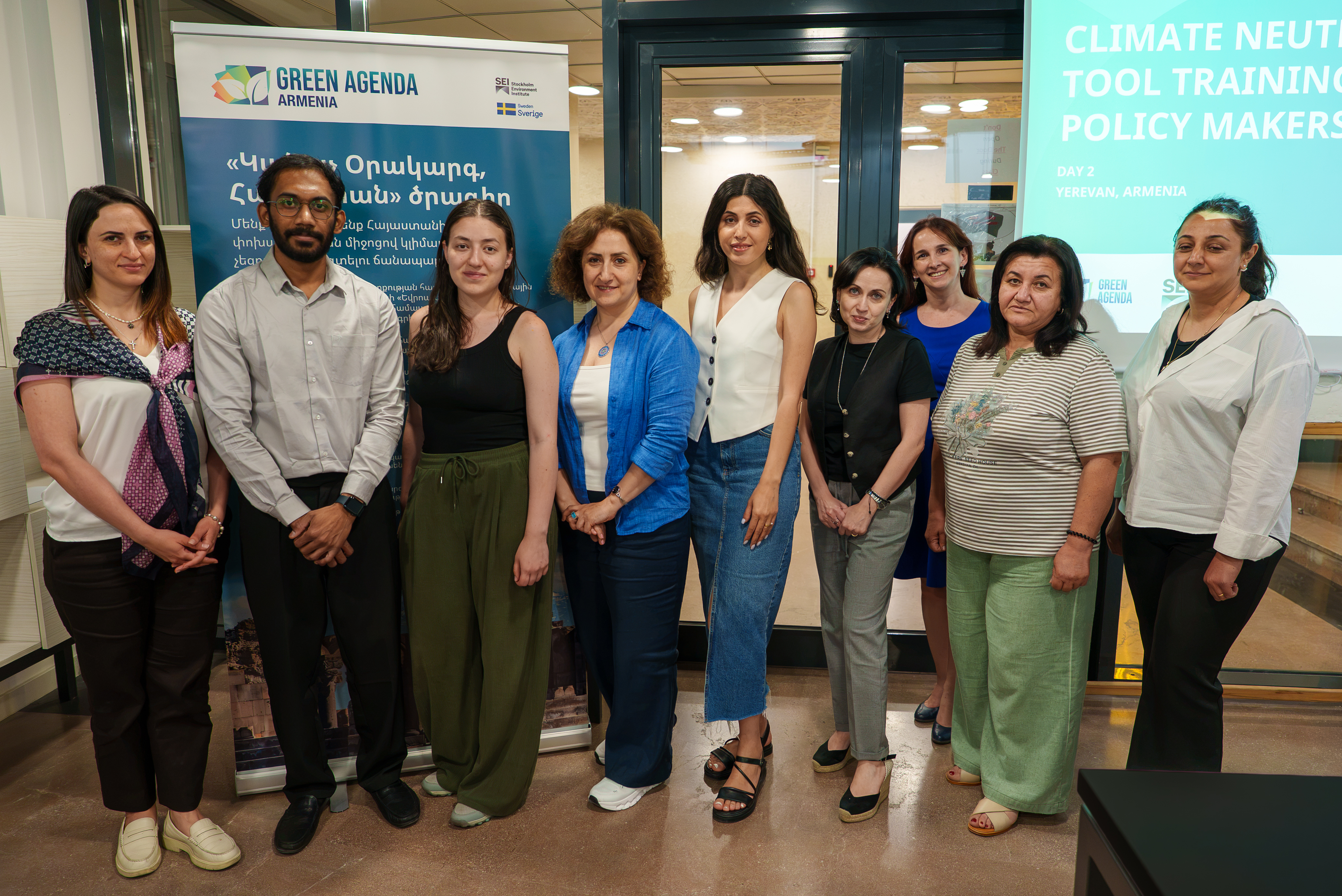
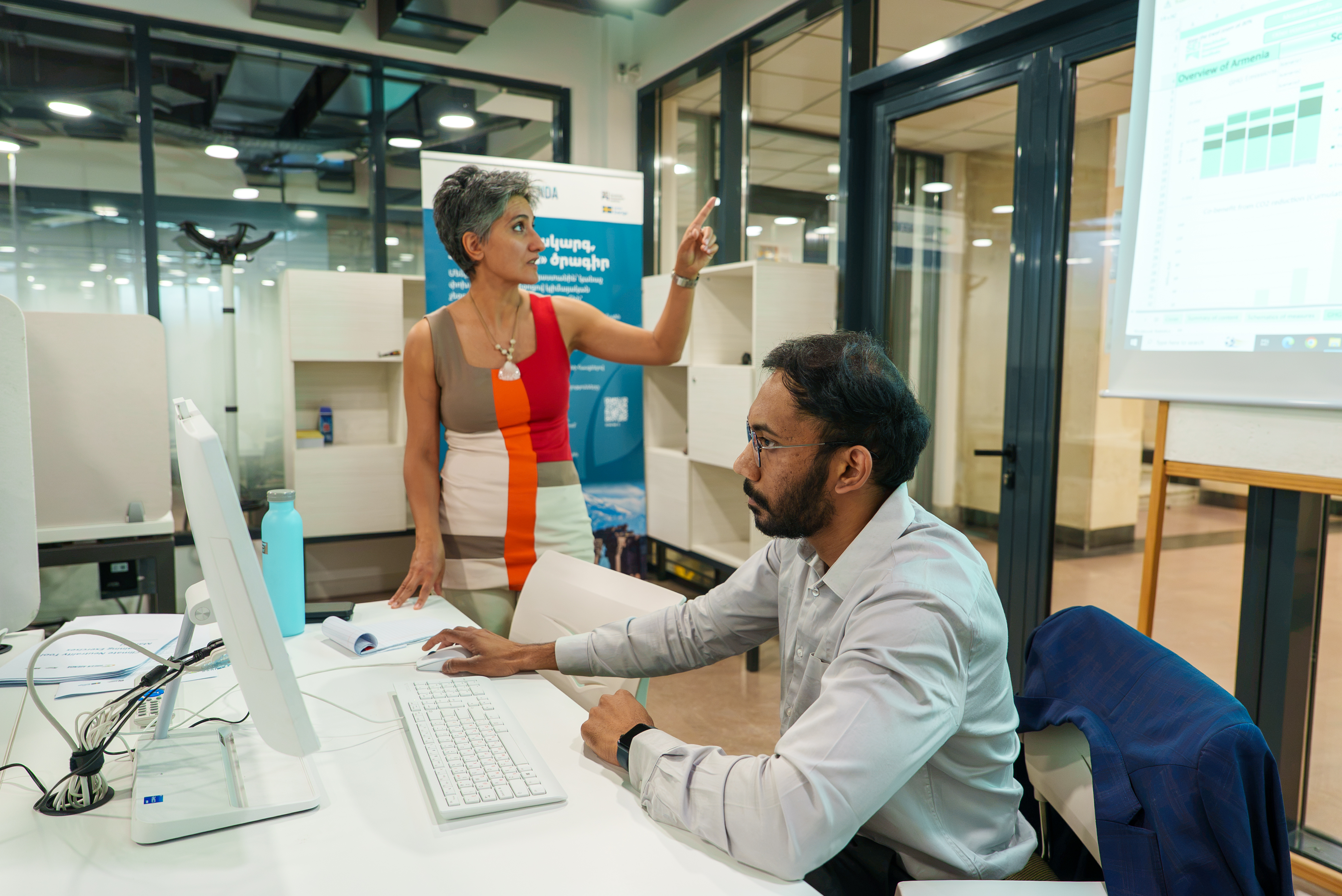
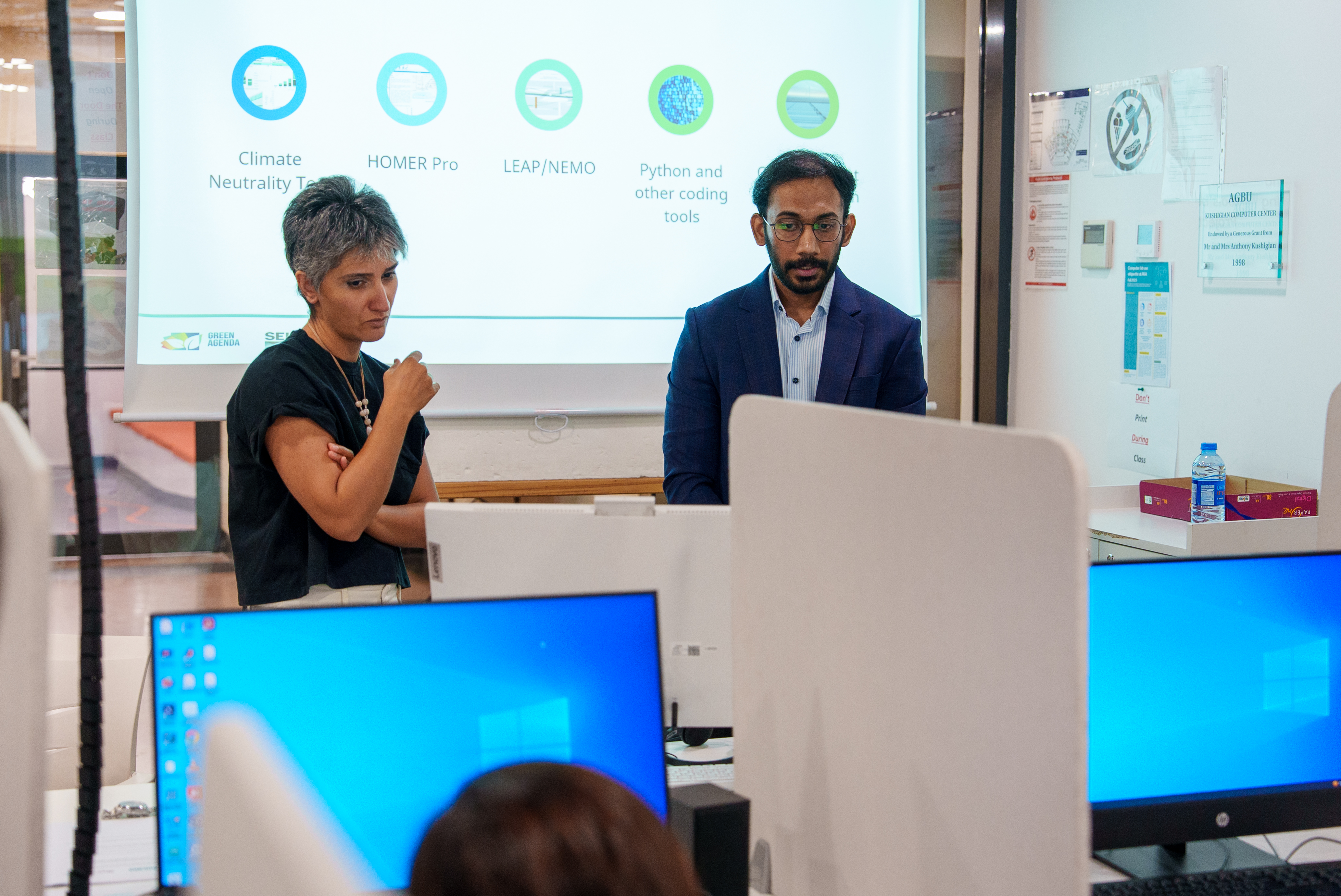
The Tool was introduced during a capacity-building training session led by Gowtham Muthukumaran, an SEI expert. The training brought together representatives from the Ministry of Environment, the Ministry of Economy, UNDP Armenia and the American University of Armenia. The tool is currently available to the American University of Armenia (AUA) under a licence agreement to be housed at the AUA Acopian Center for the Environment, helping to strengthen national analytical capacity and creating opportunities for its future use by public institutions, including the Ministry of Environment.
Why a climate neutrality tool matters
“Climate neutrality can sound technical or distant from everyday life. In practice, however, climate policy decisions affect issues that people experience directly: the cost of heating homes, the type of cars people can afford, the quality of air in cities, the number of green jobs created, and the level of public investment needed for cleaner energy and infrastructure,” explains Alen Gasparian Amirkhanian, Director of the AUA Acopian Center and the Green Agenda Project Lead in Armenia. “An easy-to-use, easy-to-understand tool can provide policymakers with quick feedback on the implications of their choices,” adds Amirkhanian.
The SEI Climate Neutrality Tool helps policymakers compare different options before decisions are made. For example, if Armenia wants to reduce emissions from transport, the tool can help assess the potential impacts of encouraging electric vehicles, bio-CNG vehicles or other alternatives. It can estimate not only emissions reductions, but also investment needs, operating costs and wider socioeconomic effects such as job creation, GDP impacts, changes in household purchase power, and trade balance.
Similarly, in the energy and buildings sectors, the tool can help compare options such as expanding solar and wind power, improving energy efficiency, replacing fossil-fuel heating systems with heat pumps, or introducing more efficient lighting. These are the types of choices that shape whether the green transition becomes affordable, practical and beneficial for citizens.
“The value of the Climate Neutrality Tool is that it helps governments translate long-term climate targets into concrete policy choices,” said Gowtham Muthukumaran, an expert at SEI Tallinn and SEI’s Green Agenda project, and a lead developer of the tool. “It allows users to compare pathways and understand the trade-offs, including what they mean for the wider economy.”
Supporting Armenia’s path towards closer EU alignment
Strengthening climate and energy planning is also relevant to Armenia’s closer alignment with the European Union. EU climate and energy frameworks place an emphasis on transparent and evidence-based planning, including for emissions reductions, policy impact assessment and identifying investment needs.
The Climate Neutrality Tool can support this process by helping Armenian institutions assess policy scenarios linked to EU integration, compare alternative climate pathways and rapidly test different assumptions. During the training, participants identified several potential uses for the tool, including:
• assessing policy scenarios connected to closer EU alignment;
• evaluating the financial and economic impacts of climate policy decisions;
• comparing alternative climate policy pathways;
• rapidly developing and testing different emissions-reduction scenarios.
This flexibility is particularly important because long-term climate planning is not a one-off exercise. Economic conditions, policy priorities, technologies and data all change over time. A useful climate policy tool must therefore be easy to update and able to generate new results as circumstances evolve.
A practical tool for national decision-making
The SEI Climate Neutrality Tool is Excel-based, making it more accessible than many complex modelling systems. It allows users to update inputs, adjust mitigation measures and recalculate results without rebuilding the model from scratch.
The tool uses a whole-economy, bottom-up approach. It starts with concrete mitigation measures across sectors such as energy, buildings, transport, industry, agriculture, waste and land use. For each measure, it estimates emissions reductions, investment needs, operating costs and broader socioeconomic impacts.
Users can compare up to three pathways - for example, a baseline scenario, a moderate transition scenario and a more ambitious climate neutrality pathway. This helps decision-makers understand what different levels of ambition would require and what benefits they could bring.
For Armenia, this can help answer practical questions such as:
• What combination of measures could help the country move towards climate neutrality?
• Which sectors require the largest investments?
• What policies could reduce emissions while creating jobs?
• How can public incentives encourage cleaner choices by households and businesses?
• Which policy pathway offers the best balance between emissions reductions, affordability and economic benefits?
Building national capacity
A key objective of SEI’s work is not only to provide a tool, but also to build the capacity of national experts to use it. Participants in the Armenia training included representatives from public institutions, UNDP and academia - organisations that can help strengthen the country’s analytical base for climate planning.
The Ministry of Environment and the Ministry of Territorial Administration and Infrastructure have shown interest in the tool, and SEI aims to continue cooperation so that it can support future policy analysis and strategic planning. The Tool’s focal point in Armenia, the AUA Acopian Center, will provide on-the-ground support to make this happen.
The tool has also been made available in Moldova and Ukraine, where it supports the development and updating of strategic climate and energy policy documents.
From modelling to better policies
Citizens are unlikely to use the tool themselves; its value lies in helping public institutions design better policies and make informed decisions.
Better evidence can help governments avoid costly mistakes, choose policies that bring the greatest public benefit and design incentives that make cleaner choices more accessible to households and businesses.
As Armenia strengthens its climate and policy efforts, tools such as the SEI Climate Neutrality Tool can help turn ambition into practical decisions - and those decisions into cleaner air, better jobs, smarter investments, and a more resilient future.