SEI’s Green Agenda helps Moldova strengthen the environmental focus of farm support in line with EU standards
For Moldova’s farmers, protecting natural resources is also about protecting their future. Drought and pressure on soil and water make sustainable farming increasingly important. Agricultural policy has a role to play in helping farmers respond.
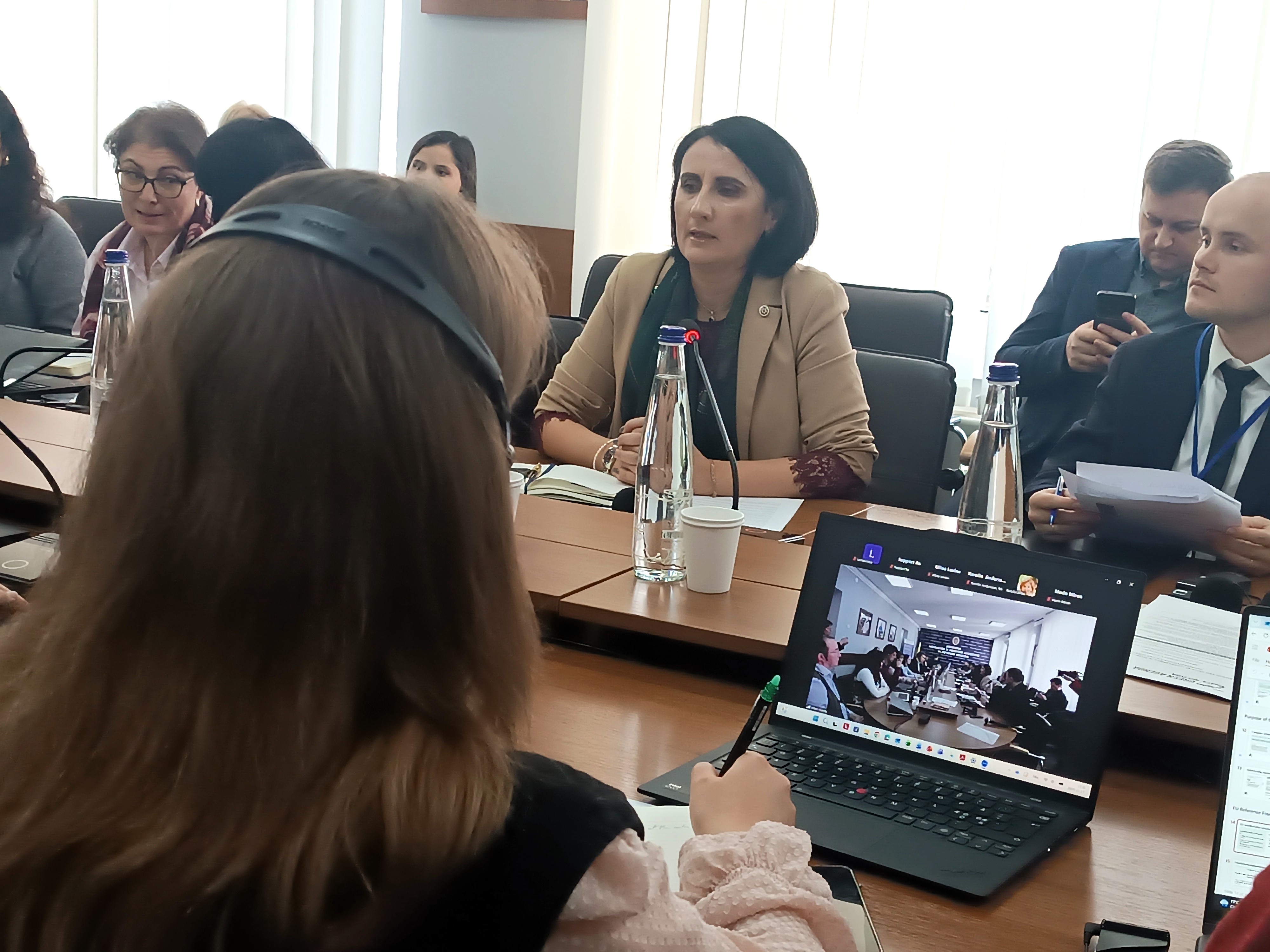
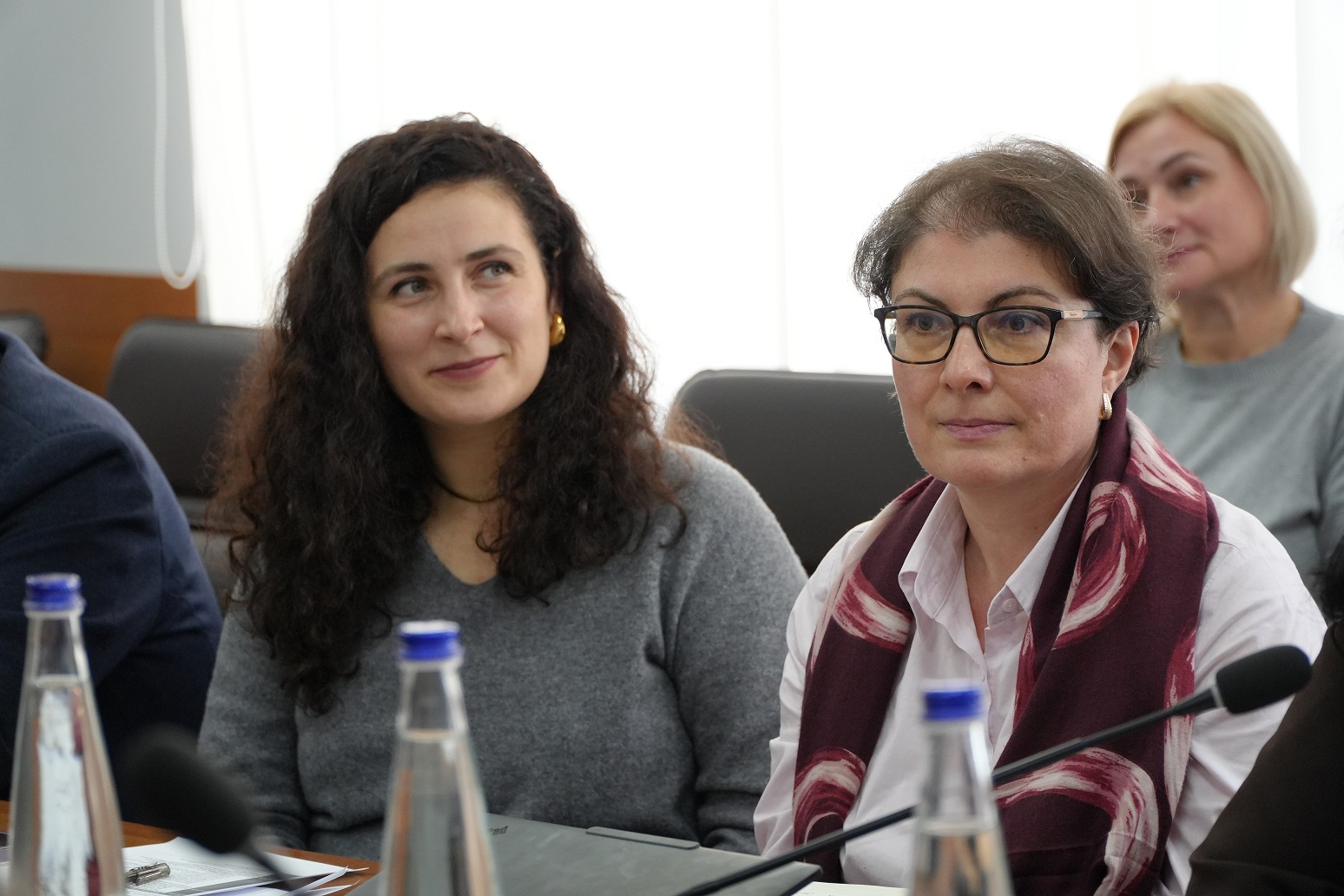
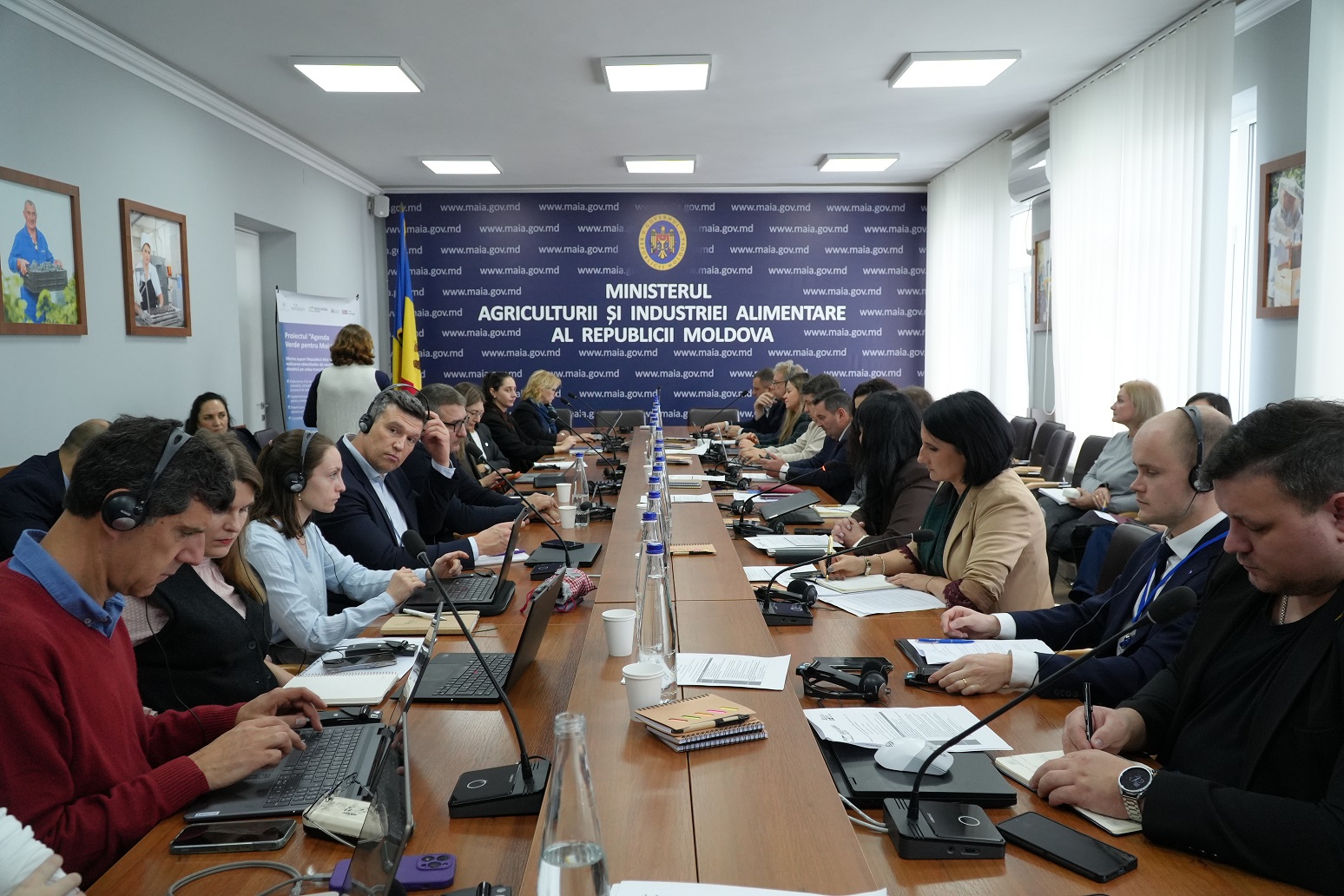
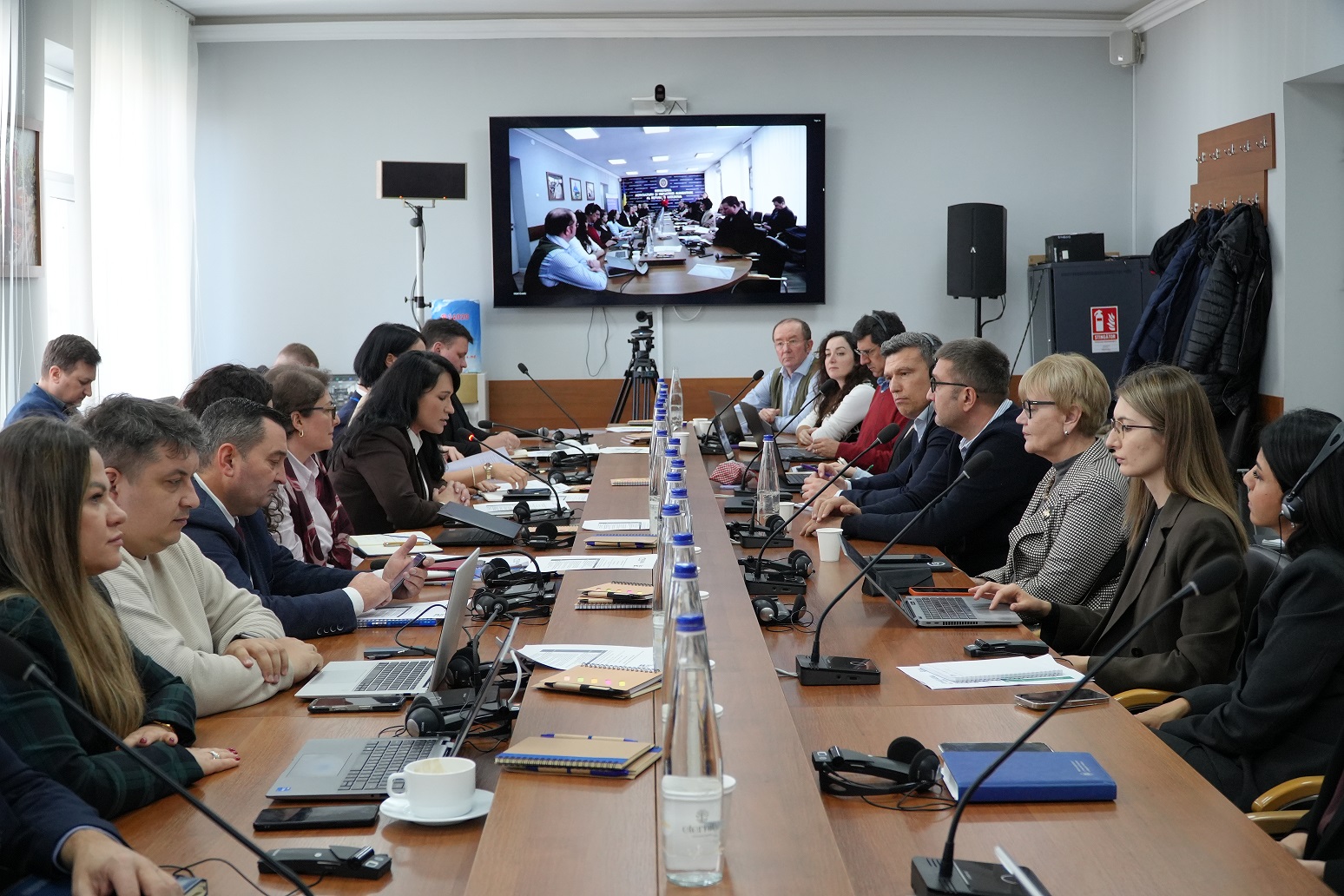
On 17 November 2026, representatives of Moldova’s ministries, implementing agencies, the EU Delegation and development partners met to discuss how to build a workable system linking agricultural support to environmental, climate, health and animal welfare requirements.
Hosted by the Ministry of Agriculture and Food Industry (MAIA), the meeting centred on SEI’s baseline assessment of Moldova’s ongoing alignment with the conditionality rules under the EU Common Agricultural Policy (CAP). These rules set out the standards farmers must meet to receive certain payments under the CAP.
The assessment’s central message: Moldova has made important progress, but putting rules into practice will require clearer legal requirements that reflect the country’s needs and apply consistently across farm support schemes. Institutions will also need to work together, use reliable data and give farmers practical support.
What does conditionality mean for farmers?
The principle is straightforward: farmers receiving certain agricultural payments must meet basic standards that protect the environment, climate, public and plant health, and animal welfare.
These can include requirements on crop rotation, pesticide use, soil protection and the conservation of important habitats. Together, they establish a minimum standard for responsible farming. Additional support can then encourage farmers to go further.
For Moldova, developing this system is part of aligning agricultural policy with EU requirements and fulfilling commitments under its Reform Agenda. Law 126/2025 provides for its introduction through the Strategic Programme for Agricultural Policy.
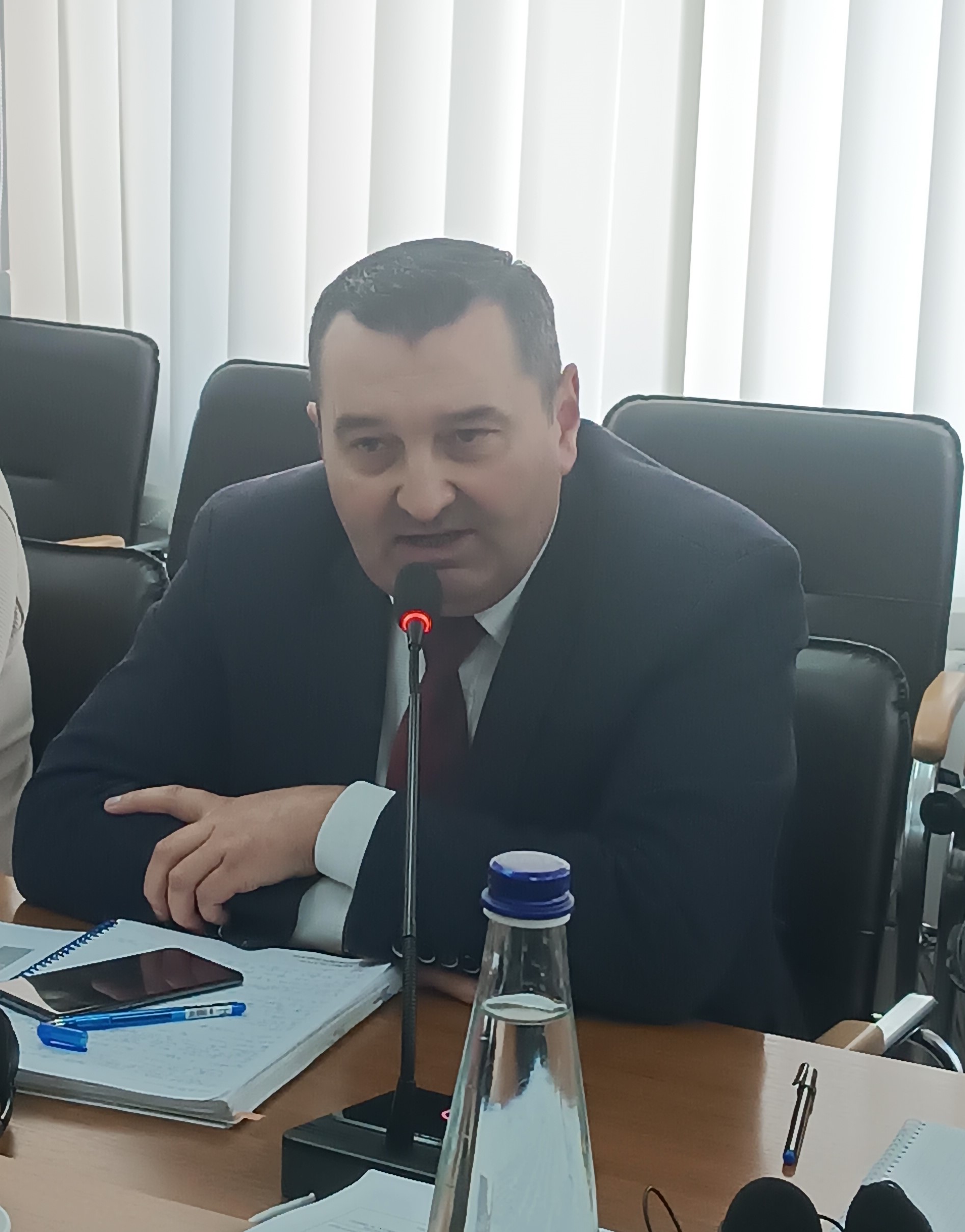
Ina Butucel, Deputy Secretary General at Moldova’s Ministry of Agriculture and Food Industry, explained what alignment means for farmers:
“We need to make sure that farmers of Moldova gradually integrate into the European agricultural system, and they have to comply with the environmental health and animal and plant health and well-being requirements.”
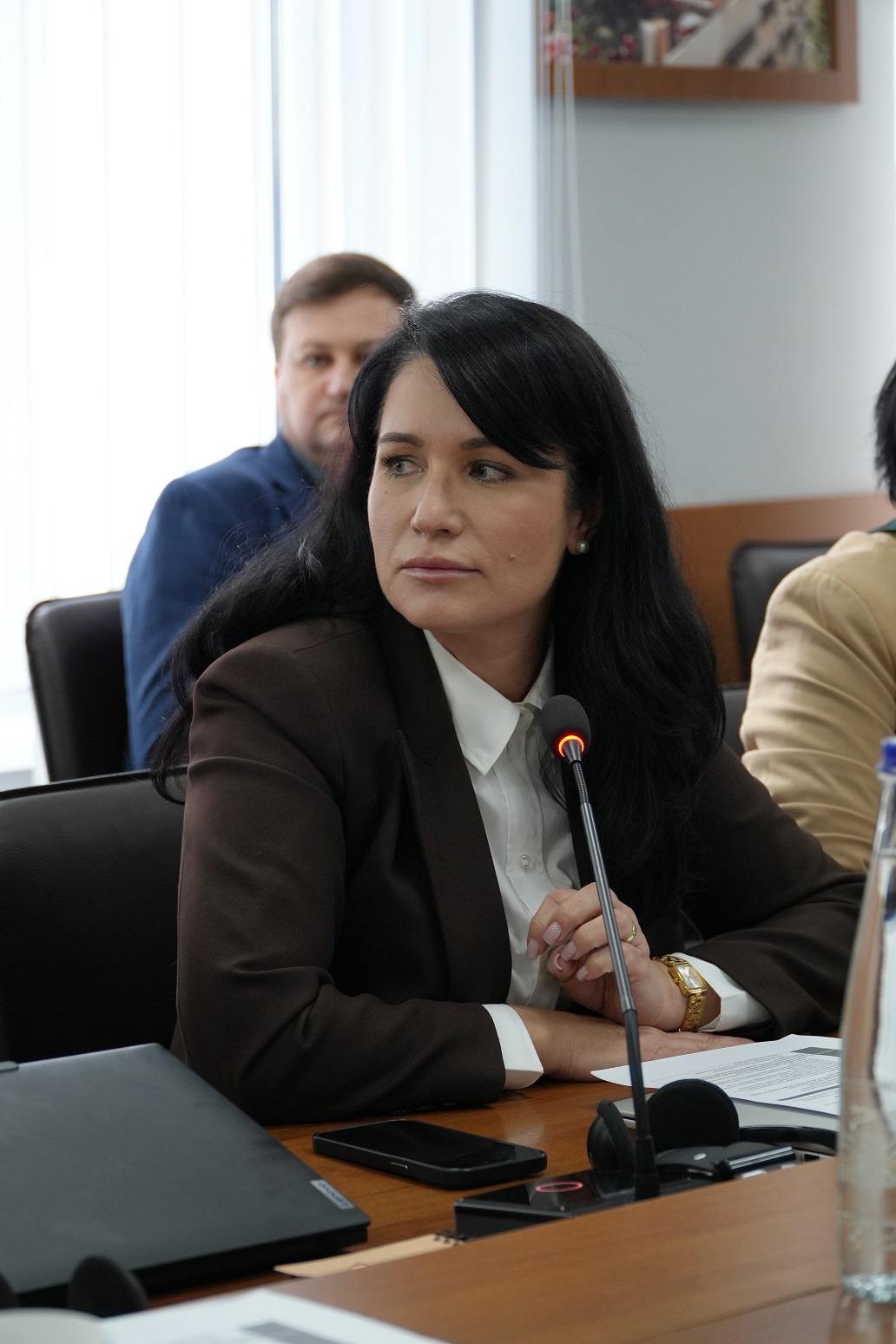
Speakers stressed that the reform is not simply about meeting accession requirements. Victoria Gratii, State Secretary at the Ministry of Environment, highlighted the opportunity to promote sustainable agriculture while balancing environmental goals with farmers’ capacity to meet them.
From legal progress to practical implementation
SEI’s assessment examined Moldova’s legislation, agricultural policy and institutional capacity through desk research, legal analysis and consultations with national institutions and project partners.
It found that Moldova already has important foundations in place. Work is advancing on legislation, farmer guidance, control procedures and digital systems. Ministry representatives also described initial steps to link selected crop-production payments to crop rotation and pesticide-use requirements.
The next challenge is to connect these elements together into a coherent system: a common set of baseline rules for all farmers.
The assessment identified several priorities:
Make obligations clear. Farmers need to know which requirements apply, how compliance will be checked and what happens if they do not comply. Binding obligations must be clearly distinguished from voluntary advice.
Connect requirements to real environmental needs. Standards and support measures should respond to pressures such as soil degradation, water pollution, water stress, pesticide risks and biodiversity loss. It should also be clear how these measures contribute to national goals.
Clarify institutional responsibilities. Payment checks and on-farm inspections need distinct procedures, clear coordination and effective information-sharing.
Make digital systems work together. Farm and animal registers, land information and monitoring tools are essential for reliable checks and efficient administration.
Support farmers through the transition. Clear guidance and accessible advice are needed alongside legal and technical changes.
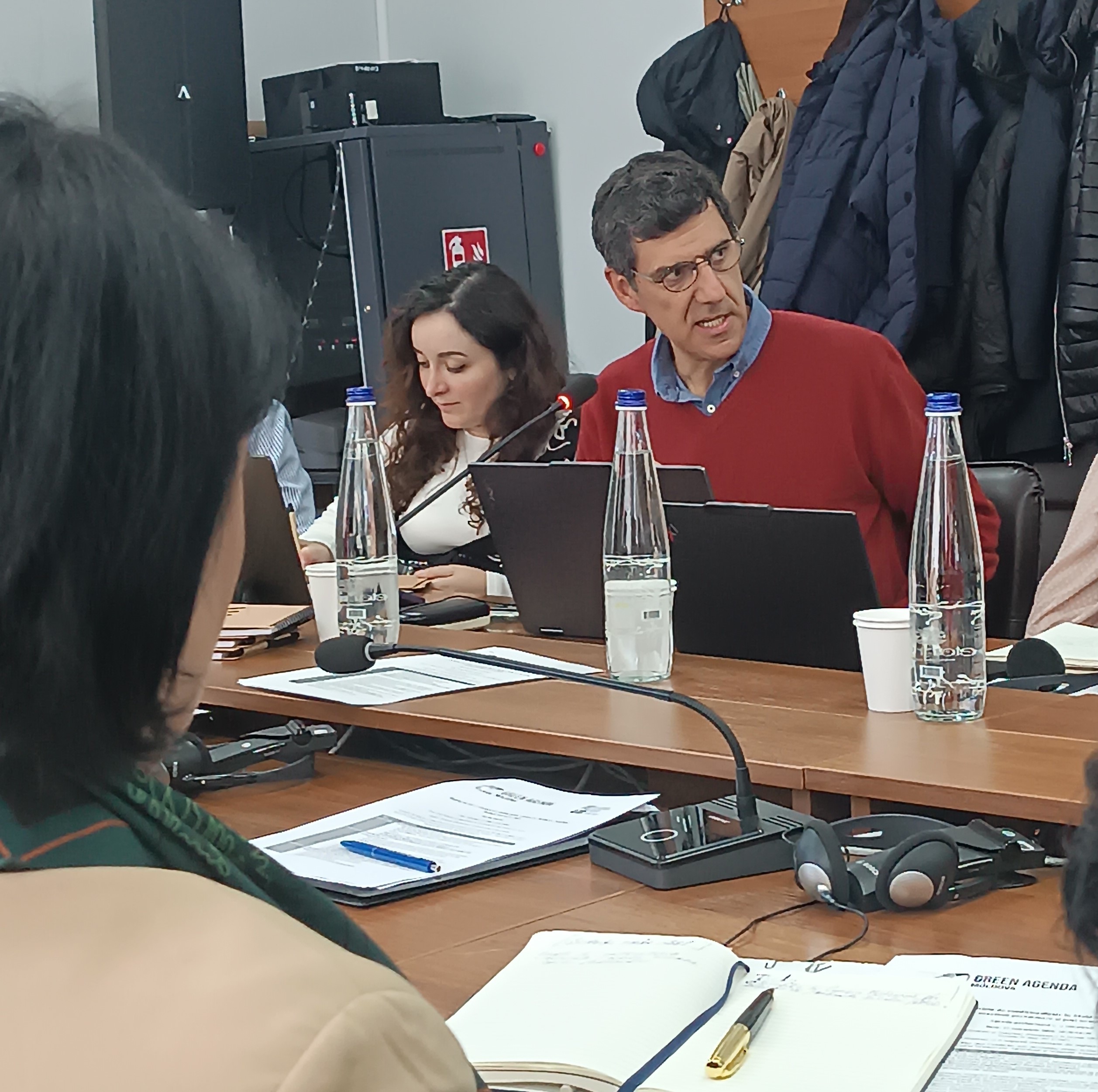
“It is a challenging reform because it requires a lot of collaboration between different institutions,” said Ana Coutinho, who leads MAIA’s work on climate change, environment and risk management and moderated the meeting.
Learning from experience - and involving farmers early
Experiences from Slovenia and Romania brought a practical perspective to the discussion.
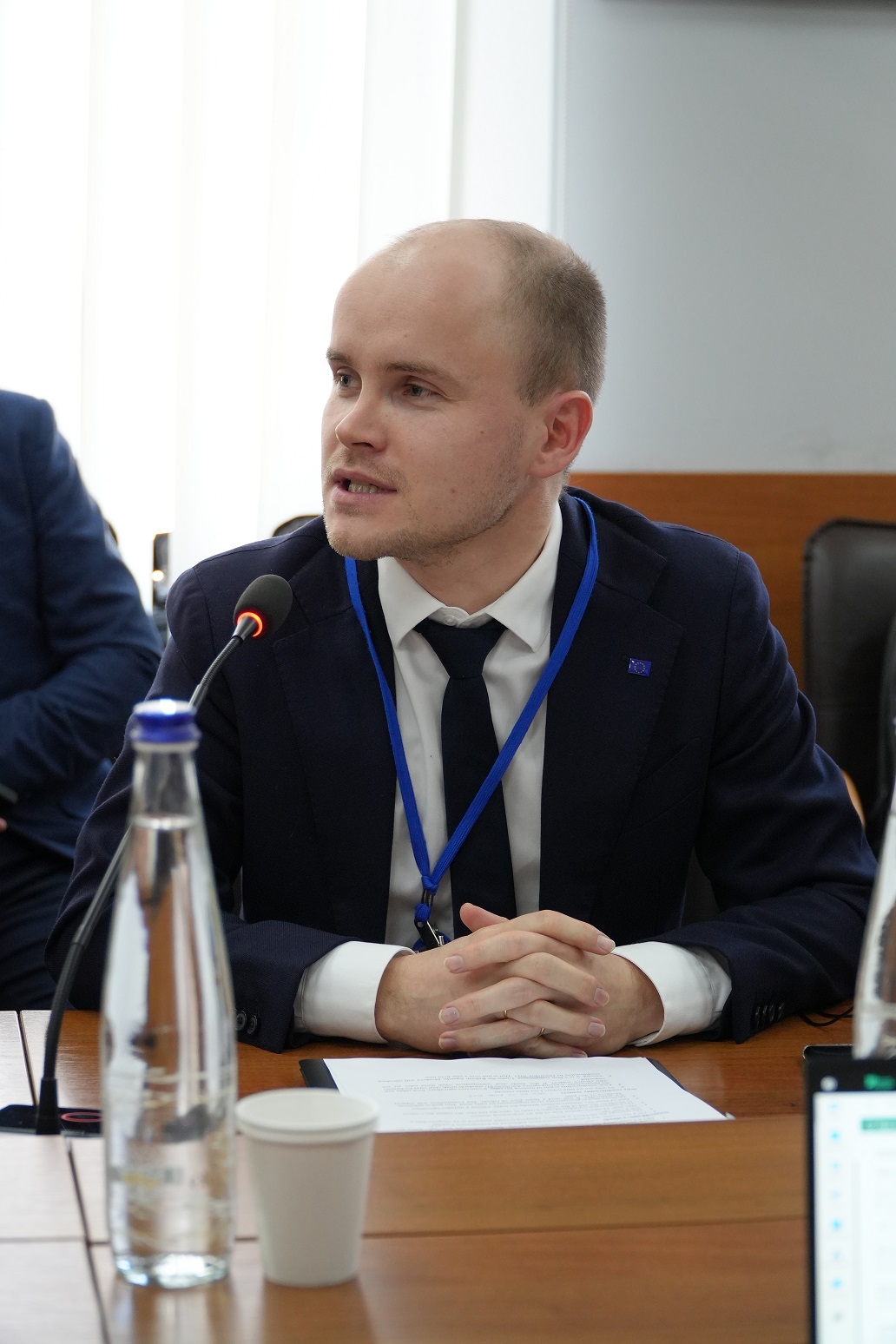
Jure Čuš of the European Commission’s Directorate-General for Agriculture and Rural Development shared lessons from Slovenia. Drafting standards can be relatively quick, he explained, but building reliable registers, payment procedures and advisory services takes time.
His examples also showed why mapping protected land is only part of the task. Preventing a grassland from being ploughed does not, by itself, ensure that its habitats and species remain healthy. Appropriate management and targeted support are also needed.
A key lesson was to involve farmers and advisers early, rather than only informing them once requirements have been decided.
Cristu Chirfot, Romania’s delegated expert to MAIA, reinforced the importance of consultation. Romania’s experience showed the value of bringing ministries, implementing bodies, farmers, associations and researchers together to shape agricultural support.
Next steps: a phased roadmap and targeted support
The findings will inform a roadmap for phased implementation, covering legislation, policy design, digital and control systems, and farmer advice.
SEI also presented a proposed second phase focused on advisory support, capacity building and knowledge exchange. This would draw on experience from Sweden, other EU member states and candidate countries, alongside expert support tailored to Moldova’s needs.
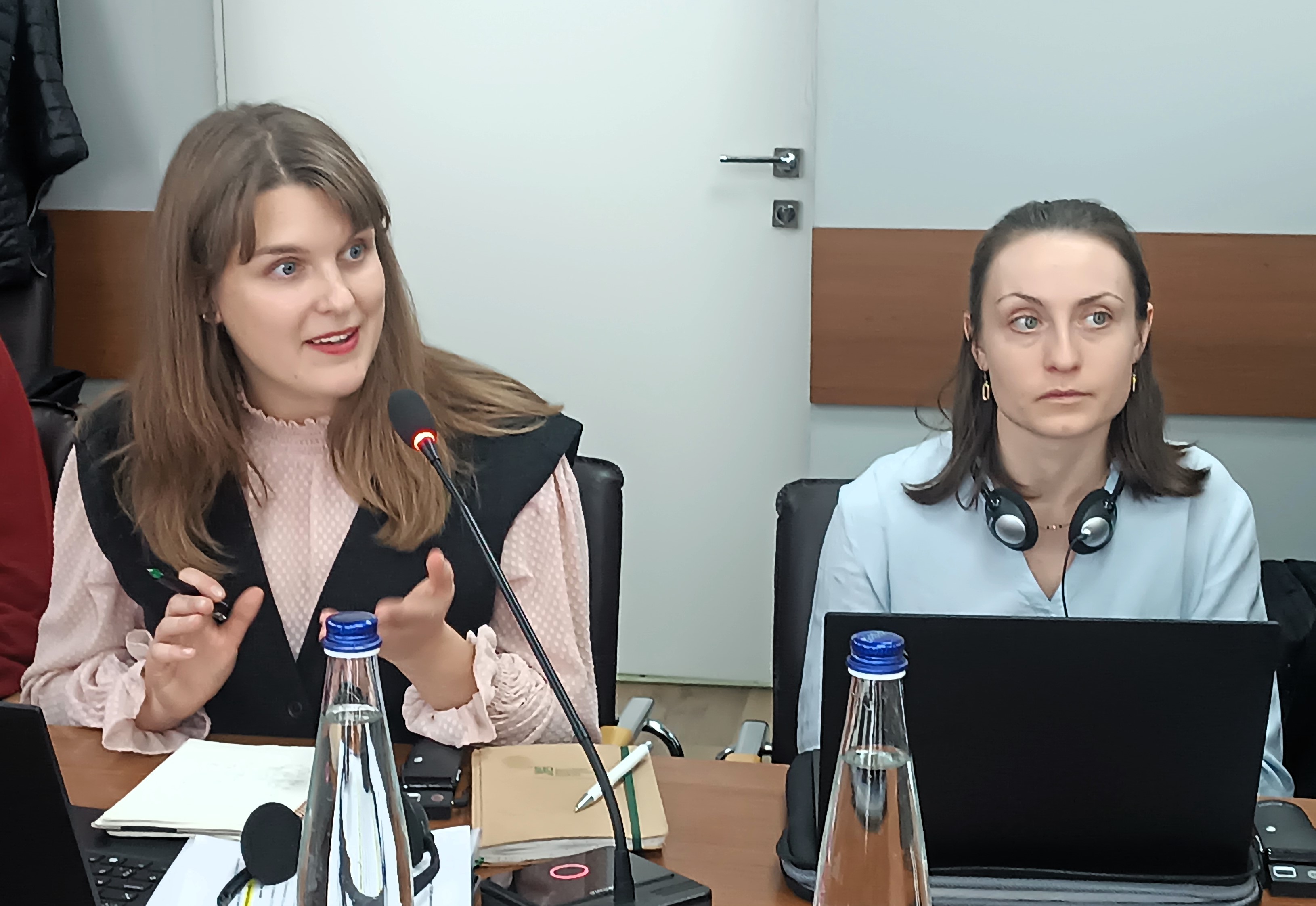
“We can build on valuable lessons from other countries rather than starting from scratch. The next step is to turn those lessons into practical support for Moldova’s institutions and farmers,” said Ieva Galkyte, Policy Fellow at SEI.
The aim is not simply to put new rules on paper. It is to build a system that institutions can manage, farmers can understand and agricultural policy can use to protect the resources on which farming depends.
The event was organized through the technical assistance initiative “Support to the Ministry of Agriculture and Food Industry of the Republic of Moldova: Designing the EU CAP conditionality system under the Strategic Programme for Agricultural Policy”, implemented by Stockholm Environment Institute under the Green Agenda for Armenia, Moldova and Ukraine project funded by the Swedish International Development Cooperation Agency, Sida.